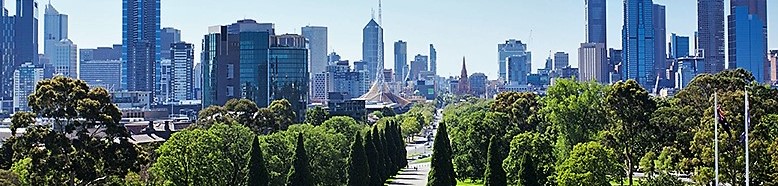
THE CITY OF MELBOURNE’S goal is a sustainable ‘zero net emissions precinct’ by 2040, despite many challenges, including a 60% increase in Melbourne’s population by 2055. Is that possible and how?
OUR two-hour tours enable students of all ages (e.g primary, secondary or tertiary) to explore different city locations where sustainable design strategies are being implemented by architects, residents, planners, council, builders, gardeners, social enterprizes and transport authorities.
EXAMPLES may include Indigenous practice, biomimicry, biodiversity, biophilia, renewable energy, tree cover, rain gardens, smart technologies, recycling, transport, Green Star ratings, water harvesting, Greenline and retrofitting..
STUDENTS on tour are provided with a list of simple personal steps to implement in their homes, school and community. Every student on our tours also carries the identity of a sustainability champion. See: Sustainability Identities
SEE: BOOKINGS AND PRICES
SEE: Our many OTHER SCHOOL PROGRAMS – Explorer, Federation, Indigenous, Early Melbourne, Lanes, Literature, ‘Runner’, Street Art and more…
“Thanks again for the Sustainability tours, so great to have 150 students on a tour around Melbourne in their six groups and to learn so much from the passionate guides. Thank you again and well done!”
Caulfield Grammar.
“Overall brilliant!”
RMIT University, industrial design student group.
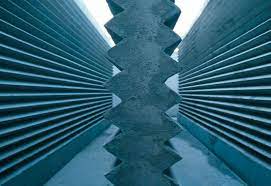
“We would just like to thank you for giving us such an amazing, informative and engaging (sustainable architecture) tour. You provided us with so much background information helping us completely understand our topic. We have learned so much from the zig-zag method used at BHP to provide light for the whole building to the maze under the NGV helping cool down the building as well as the rooftop bees. You provided us with so much background information helping us completely understand our topic and explained both sides of the story for buildings such as the new skyscraper, Australia 108. Thank you for sharing all of your knowledge with us, it was an incredible tour.”
Presbyterian Ladies College.
OUR ROUTE – WHERE DO WE GO?
Our route can vary in response to time, weather and construction. Tours normally start and finish at Federation Square. Our route can include the Federation Atrium, Birramung Marr Park inc ArtPlay and Greenline, Skyline car park, (Russell Street), Hosier, BHP House, Swanston Street, Town Station, 260 Collins, Council House Two, PMG House, 120 Collins, Degraves Street.
HOW LONG?
Tours are two hours, usually starting and finishing at Federation Square. Times can be adjusted to suit.
WHAT THEMES?
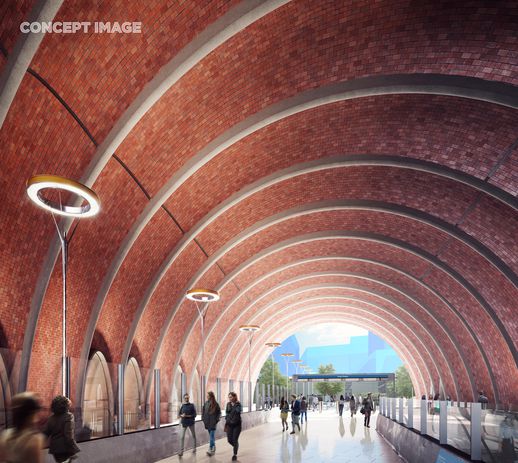
Learning themes can include Fed Square ( eg carbon neutral precinct, biodiversity, bees, biomimicry, water tanks, solar, raingardens), Flinders St ( biophilic transport, smart technology), Skyline Cra Park (rain garden, test garden, recycling), Birramung Marr (solar, tree strategy, retrofitting, biodiversity, Indigenous sustainability, biodiversity), Hosier ( walkability, social and heritage sustainability, connectivity), BHP or St Collins (Green Star buildings), Melbourne city council (renewable energy, wind farm), Town Hall Metro (biophilia), Council House Two (not inside – plant cooling, biomimicry, green energy), PMG House Russell Street (retrofitting), 120 Collins Street (retrofitting).
FURTHER INFORMATION AND RESOURCES
WHAT ARE THE CHALLENGES AND THREATS TO OUR CITY?
In 2025 there were approximately 55,000 residents in the central City CBD plus up to 900,000 people visiting weekly. This urban population is anticipated to double over the next 25 years. Greater Melbourne will be Australia’s largest city with over eight million people by 2055. Pressure is increasing on the environment, buildings, open space, businesses, transport and people. All species in our urban ecosystem will be impacted by climate change, storm and flood events, extreme dry periods, rising seas and heat.
HOW CAN WE PROTECT OUR CITY?
Sustaining healthy and livable spaces in Australia’s fastest-growing city (as well as Planet Earth!) is the defining challenge of our time. We need to use smarter architecture and design technologies, reduce waste, use greener energy, improve social equality, cool our city with plants, walk and cycle, protect our wildlife and stop pollution. To ‘reduce, re-use and recycle’. Most of all we cannot do it alone, we must plan, educate ourselves and pull together: schools, communities, homes, businesses and government. SEE: What Can I do? Our Twelve Practical actions for students
WHAT IS SUSTAINABILITY?
Sustainability means being in balance i.e balancing today’s consumption and waste with tomorrow’s needs. Sustainability also aims for a society with respect for nature, human rights, economic justice and a culture of peace. To survive we need new and ‘greener’ models of environmental management, social responsibility and economic practice. Local, State and Federal government accepts that our climate is heating up due partly to greenhouse gases from burning carbon-based fossil fuels such as coal and oil. This is why Melbourne City has strategies (below) to stop the increase in carbon dioxide emissions into the atmosphere (net zero emissions) by 2050.
FURTHER INFORMATION
MELBOURNE STRATEGIES FOR A SUSTAINABLE GREEN FUTURE
Nature in the City. A ten-year strategy to connect people to nature, improve urban ecosystems and biodiversity of Melbourne including plants, soil, insects, birds (239 species), mammals and frogs. Managing issues such as air pollution removal, carbon storage, urban cooling, healthy soil, stormwater control, wind abatement, water filtration, nutrient recycling.
- Carbon neutral Fed Square
- Urban ecology or ecosystem strategy: Study and management of the interactions between all living creatures and their physical city environment including blue (river), grey (built) and green (parks) networks.
- Caring for Country: Utilise land management and cultural practices of traditional owners.
- Urban Forest Strategy. Doubling the tree cover in the City of Melbourne by 2040 to reduce inner city heat temperature, improve water use and adapt to climate change. There are currently 77.000 trees.
- 1200 Buildings Program: Foster the environmental retrofit of two thirds of the commercial stock to improve water and energy efficiency 38% to eliminate 383,000 tonnes of greenhouse gas emissions every year. VIDEO
- Watermark Strategy. Improve water recycling and stormwater purity, reduce mains water consumption 40%, increase water capture from alternative sources.
- Zero Net Emissions by 2040: Reduce greenhouse gas emissions reduce household and commercial waste, reduce energy use from non-renewables 50%, increase renewable green energy use to 45% of demand. Create a voluntary carbon trading precinct. Invest in carbon sequestration. VIDEO
- Create our own Wind Farm!! With 14 partners – universities, business, local govts. Reduce 96,000 tons of greenhouse. VIDEO
- Waste and Recycling Strategy. Degraves Street, Kirks Lane, Lacey Lane, Stevensons La. VIDEO
Degraves Street Recycling facility. 392 tons diverted from landfill. - Biophilic design: The new $9 billion underground metro. All trams will be powered by solar energy by 2019.
- Green Lanes. Turning your small neighbourhood green.
- Sustainable Gardens: and urban food production to maximise the health of the city, ourselves and the planet.
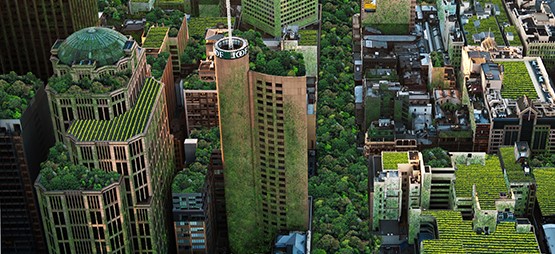
- Melbourne Rooftop Project: Gardens, solar and cool roofs mapping. In June 2017 there were 78 roofs vegetation, 755 roofs solar panels, 322 roofs solar hot water systems. Rooftops could potentially carry 236 hectares (heavy) and 328 hectares (light) of garden ie almost 1400 acres!!!
- Scooter Trial 2022: 500 scooters Yarra, Port Phillip, City of Melbourne
- Melbourne Bicycle Plan. Increase to 10% of traffic by 2030.
- Melbourne Walking Plan. Walking safely creates a vibrant city, increase well being, economies and reduces fossil fuels. Increase to 30% of all trips.
- Walking connectivity/knowledge economy Increase walking connectivity 10% = $21billion per annum.
- Green Star and NABERS rating 1-6 VIDEO Buildings use 40% of the world’s energy. NABERS assesses the actual efficiency of buildings while Stars measures the design of building.
- E-waste locations. Reduce the 1,000,000 tons waste TV, PCs and phone per year.
- Alternative housing models – the Nightingale Model Sustainable social cheaper housing e.g The Commons
- Female Lights. Gender quality and ‘unconscious bias’. More education of girls reduces populations and greenhouse gases.
SCHOOL SUSTAINABILITY RESOURCES
- How to be a citizen forester in Melbourne
- Getting started with sustainability in schools
- Get resourced by Sustainability Victoria
- Make your school a Greenhub with help from Greening Victoria
- Green Money
- Subscribe free to The Fifth Estate
- Science Data and Sustainability
- Top Ten tips for living sustainably
SCHOOLS: RESEARCH SUSTAINABLE DATA FROM YOUR COMPUTER OR MOBILE PHONE!!
- Rooftop Project Maps – solar, green, gardens
- How to count people on-line in CBD How to count
- and cool rooftops in CBD and solar panels.
- How to see and study every tree in the City centre
- Email any of City of Melbourne’s 60,000 trees