STREET ARTIST MINI-ME

WHAT?
Mini-me is a form of ephemeral miniature street art. Miniature figures are placed temporarily in street art settings to illustrate stories about art, justice, sustainability and heritage. These settings are photographed for different media including Instagram.
WHO?

Mini-me or Minime is a miniature street artist from Melbourne whose work can be viewed on Instagram ie findminime and experienced on our Melbournewalks street art tours.
One inspiration for Minime is the famed British artist Slinkachu.  Minime however is unique in that the spectator becomes the artist thus reversing the conventional paradigm.
HOW?
Minime’s are distributed free to human BFGs (big friendly giant), often students. Mini-me is their friend and avatar on a lifelong street art journey.  Today there are approx 3000 Mini-me’s accompanying their ‘Big-me’ friends and illustrating stories about the worlds they visit.
WHY?
Sustainability: No glue, paint or markers. Minime’s are re-used hundreds of times without damaging our heritage buildings.
Respect: Respect for the humanity and dignity of every individual no matter how small in social status is the foundation of a free society.

Survivors: Minime’s are tiny survivors in a big scary world. They
 symbolise the lost and vulnerable people of our world rescued to a safe and adventurous life with their BFG protectors.
Viewer as Artist:
Minime reverses the conventional paradigm: the spectator becomes the artist!
 
TODAY
In this challenging millennium with so many anxieties, couldn’t we all use a little help from a BFG now and then?

This image has an empty alt attribute; its file name is image-3.png

See Prices & Bookings

Melbourne Social Justice Tour (Schools & Groups)

Melbourne citizens protest outside St Paul's Cathedral at Government attack at Eureka, 1854.

MELBOURNE is a founding heartland of Australian democracy and the peace movement. Australia was instrumental in both the founding of the United Nations in 1945 and the Universal Declaration of Human Rights in 1948 which enshrines the rights and freedoms of all human beings and inspired over eighty international human rights treaties and declarations that protect dissenting individuals today.

EXPLORE ICONIC PLACES in the City of Melbourne that tell important stories of protest, including events and personalities,
 that have influenced Australian social justice, civil rights and freedoms.
INVESTIGATE the different forms of social justice campaigns in Melbourne such as petitions, elections, marches, moratoriums, strikes, referendums, architecture, postal surveys, public art, sport, street art and even armed rebellion (Eureka) and insurrection (Ned Kelly).
DISCOVER ISSUES that have spurred Melbourne social justice campaigns such as the women’s vote, equal pay, climate, detention, eight-hour day, homelessness, racism, disability, gender equality, crime,  transportation, reconciliation, taxation, war, and artistic freedom.
AN IDENTITY that has influenced social justice is provided to each student during our school tours. See: Social Justice Identities

ROUTEInternational Women's Day rally, Melbourne
We travel from Federation Square through the CBD over a two-hour (students) or 2.5 hour (adults) period or other period requested.
Tours normally start from Federation Square.  Locations may include St Pauls, Flinders Station, Federation Square, Koorie Heritage Trust, Nicholas building, Hosier Lane, Manchester Unity, Ross House, Vic Womens Centre, Melbourne Town Hall, Howie Place, Lt Bourke Street, Bourke Street, 50 Lonsdale, Athenaeum Theatre, and others depending on the day and times.

SEE: BOOKINGS AND PRICES – FOR INDIVIDUALS, GROUPS AND SCHOOLS
SEE: Other SCHOOL PROGRAMS

Government of the people, by the people and for the people and not one half the people.   The  ‘Monster’ suffragette petition 1891.

We swear under the banner of the Southern Cross to stand truly by each other and fight to defend our rights and liberties.      Peter Lalor swearing the Miners Oath, 1854.

‘Melbourne Walks offers a superb introduction to the history of protest and justice issues in the City of Melbourne. Our school tour was characterised by impressive and comprehensive knowledge, high levels of student engagement, good humour and practical concern for our students on a warmish afternoon. I am very comfortable in giving Melbourne Walks my unreserved endorsement.’    Sacred Heart College, Geelong.

Melbourne School Economy Tour

OUR two-hour school tour explores places in the city centre that tell historic and contemporary economic stories, showing how Melbourne’s residents and the physical city have responded to ever-changing local and global economic events over time. They tell the economic journey from our traditional owners to colonisation to gold rush to war and affluence to today’s global economy.
WE aim to make students excited about  studies of economic and business by experiencing its affects in daily life.
MELBOURNE contributes over 28 percent of Australian GDP growth. Key assets include the lanes system, fine arts, sport, food, and entertainment venues, medical facilities, construction, financial services, tourism and international education services.   It ranks 24 in the top world cities in the Global Financial Centres Index.
WHAT makes a city economically and globally successful?  How has the physical city responded to people’s economic and social needs? How do small businesses prosper? What are the City’s global economic threats and challenges including climate change?
STUDENTS assume an historic identity for the duration of the tour. See historic identity

ROUTE
Our tours normally start and finish at Federation Square www.fedsquare.com  Locations we visit can vary with weather, time and construction but
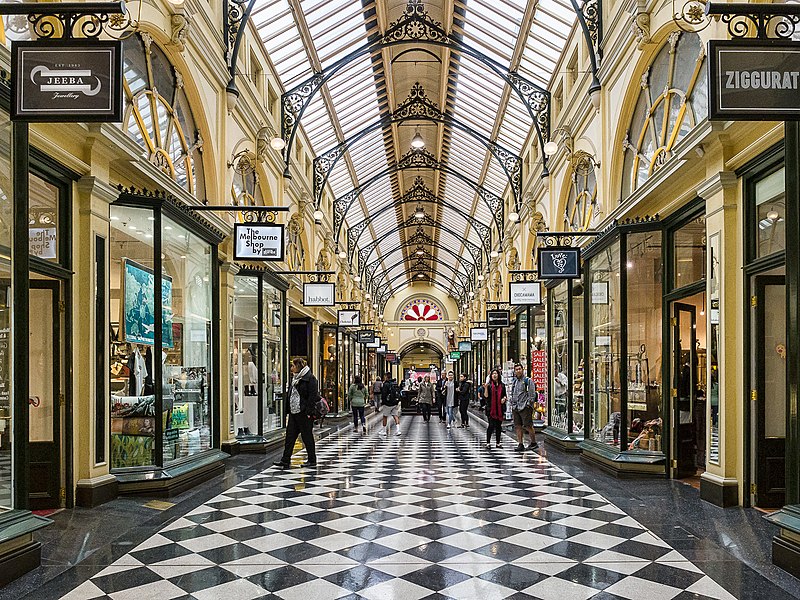
may include  Federation Square (carbon neutral, cultural hub), Hosier Lane ( tourism, social enterprises), Flinders Lane (textiles and globalisation), Hosier (Street Art, Wellbeing) Cathedral Arcade (Bohemian Index), BHP Billiton (mining) 260 Collins (retail), 333 Collins (banking), Royal Arcade (small business), Swanston Mall, Town Square (Melbourne Metro) and other key locations in the  CBD that tell the economic story.

SEE: Our other SCHOOL PROGRAMS

SEE: BOOKINGS AND PRICES  –   FOR INDIVIDUALS, GROUPS AND SCHOOLS

‘The Economic tour was extremely educational and engaging. A great experience for students and teachers.  Both students and teachers gained a lot of knowledge. Will definitely be back again. Many thanks for the amazing tour guides.’
Mt Hira College

The students were thrilled with the tour and the depth of material provided during our walk through the CBD. The variety of stops, sites and activities were diverse and engaging. The social enterprises contrasted with profit enterprises were a fantastic contrast for the students to observe different views on wealth and opportunities for growth.
SOSE Coordinator, Year 12, St Mary MacKillop College.

On behalf of my team and students, I would like to say a huge thank you for providing us with such a fantastic experience walking around Melbourne and learning about the economy and business in relation to the formation of our great city. You made learning about this topic engaging and entertaining, pitching the information to our 5/6 students in a way that they could understand and make connections with.
St Joseph’s, Mernda.

PLACES:

The transforming city:
Approximately 30 years ago, there were 400 residents in the city centre. Today there are 55,000 residents and up to a million visitors a week.  Voted seven times the world’s most liveable city. What is going on here?

Federation Square:
a. Meeting place hub. The piazza Nearamnew celebrates two nations Australian and Kulin. One founded on a global sheep trade and global movements of people. The other a single ancient nation with internal trade. One founded on industrial revolution and individual acquisition. The other on communalism and self-sufficiency.
b. Cultural and communications hub. Institutions of the square include NGV, ACMI, SBS , Atrium, Koorie Heritage Trust, BMW Edge, The plaza screen, Visitors Centre, Birrarung Marr. It also links to the MCG. Tourism and arts are huge economic drivers.
c. Climate change is a major challenge to Melbourne’s econdomic future with the city population doubling in the next 20 years. Federation Square is leading the way, it became carbon neutral in 2016.

Flinders Street Station:
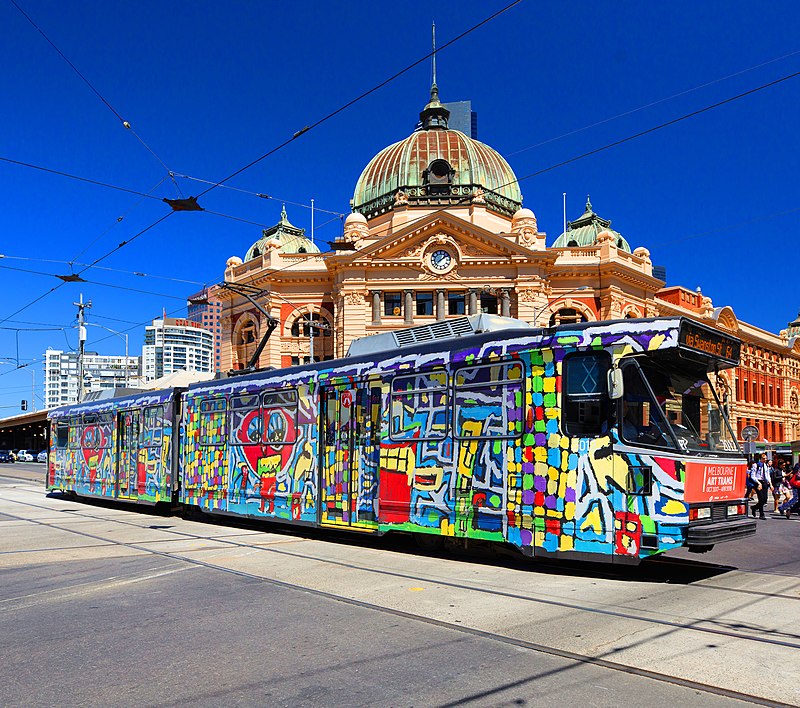
First steam train 1854. Communications hubs are economic drivers in a vast country and small population. 800,000 visitors a day. Public transport crisis due to lack of past investment. 

Port Phillip Arcade:
Will be destroyed by 2018 for a massive $9b underground metro 2018-26. Cities need continual reinvestment of infrastructure.

St Pauls Cathedral:
Eureka demonstrations. Gold as a driver of immigration and wealth acquisition. Movements of people and capital. The Churches have huge economic holdings in property and shares used to deliver social services across Australia including nursing homes and schools. The value of volunteers in Victoria is equivalent to  to 400,000 jobs and over 17b dollars. 

Young and Jackson/Batmans home:
Melbourne Treaty. Land as individual property vs land as communal and sacred. Immigration as a driver of construction and property values. 

Hosier/Flinders Lane:
Demise of textile industry due to globalisation and tarrif removal. Old industries replacing new industries. The Arts industry. Art as promoter of safety and industry in the lanes.  Homelessness services: social services are 19% of the economy. How can disparities of wealth affect social conflict and the economy? The economic value of walking cities and connectivity.

BHP, Collins Street:
First six-star Green office building in Victoria. Based in Melbourne BHP is the worlds largest miner
 and has operated in England, Colombia, South America, Canada, South Africa, Australia, Brazil, Suriname and New Guinea. Its Charter includes sustainability and environmental responsiveness.

Melbourne Town Hall:
The City of Melbourne is home to Australia’s most culturally diverse communities – 140. It attracts the largest proportion of international overseas immigrants (48,000) since 2006. How is Immigration  an economic driver? How do migrants foster global relations? The City of Melbourne has an area of 36 square km with 130,000 residents.  How do democracies foster economies? The City Crest: the economic city founding.

Nicholas building:
Bohemian Index theory Richard Florida. Art as an economic driver.

Degraves and Centre Place:
Restructuring the  lanes system for to promote venues or ‘piazzas’ for pedestrians accessing small businesses such as food, culture, retail, tourism. Walking is a key to economically successful cities. 

 271 Collins St/333 Collins:
Melbourne is home to two of Aust biggest four banks ie NAB and ANZ. The Great Crash 1893 .  Depressions are a severe downtown in the economy. Responsible banks are essential. They loan money for businesses and individuals to buy goods such as cars and homes which grows the economy. 

St Collins Lane:
Retail businesses of the future. How does a 21 millennium building compare to the 19thC Block Arcade.

Block and Royal Arcade:
Role of citizen meeting places in successful cities. 
Fashion and food as economic drivers. Gold diverted into property. The scales: changes from Imperial systems.  What makes a small business successful? 

GPO:
Communication systems in an economy. H & M – a global youth market.

Bourke Street Mall/Hoddle Street Grid:
Walkability is a key feature of liveable and viable cities. There is a a direct link between a city’s economic prosperity and a safe convenient pedestrian experience. View: Melbourne has an automated pedestrian counting system in real-time. People who walk buy from local businesses. Citizens who give back – Sidney Myer.

Trams:
Say hello to electric cars – the world’s largest urban tram network.  203.8 million passenger trips in 2015-16. How can old technologies foster new economies? 

Coles Book Arcade:
Reading and education foster skills. 30,000 International students contribute to the economy. Melbourne in 2015-16 was ranked 2nd best city in the world for International students after Paris.  There are at least 3 universities in the heart of the CBD. 

Manchester Unity:
The citizens’ response to depressions. Corporate citizenship.

ANZ Gothic Bank/Stock Exchange/Banking Museum:First stock exchange in Australia 1852.

***********************************************************************************************

WHO ARE INNOVATIVE BUSINESSES AND ENTREPENEURS TRANSFORMING MELBOURNE IN 2026?

Jo Horgan, founder of Mecca Brands at 299 Bourke Street. I created Mecca to celebrate beauty as empowerment—fueling creativity, confidence, and community. Today, we’re worth over $1.5 billion.

Simon Beard, co-founder of Culture Kings with Tahnee. From Emporium Melbourne and Hosier Lane, we built a streetwear empire that blends fashion, music, and culture. We’re now valued at $600 million.

Jack Zhang, CEO of Airwallex at 15 William Street. I’m passionate about reshaping global finance—making cross-border payments seamless for businesses. Our valuation has soared to $5.5 billion and rising.

David Hornery, co-founder of Judo Bank at 525 Collins Street. We’re reviving relationship banking for SMEs—backing real businesses with real people. Listed on the ASX, we’re worth around $1.6 billion.

 Paul Perreault, CEO of CSL Limited at 655 Elizabeth Street. We innovate to save lives—developing vaccines and therapies that protect millions. Our market cap now exceeds $130 billion.

I’m Nick Molnar, co-founder of Afterpay, now part of Block Inc. From 800 Collins Street, we reimagined consumer finance—giving people control and flexibility. Our acquisition was valued at $39 billion.

Melanie Perkins, co-founder of Canva. Though our Melbourne team is remote, our mission is global: to make design accessible to everyone. We’re now valued at $26 billion.

Andrew Bassat, co-founder of Seek. We help people find purpose through meaningful work—connecting talent with opportunity. Our company is worth over $7 billion.

Owen Wilson, CEO of REA Group at 511 Church Street. We help Australians find homes and investment dreams—driving innovation in property tech. Our market cap is around $18 billion.

I’m Cameron McIntyre, CEO of Carsales.com.au at 449 Punt Road. We transformed how Australians buy and sell vehicles—making it smarter, faster, and easier. Our valuation sits near $7 billion.

Collis Ta’eed, co-founder of Envato at 121 King Street. We empower creatives with digital tools—from templates to music—fueling global innovation. Our business is valued at over $100 million.

Leigh Jasper, co-founder of Aconex. Born in Melbourne, we built a platform that revolutionized construction collaboration. Oracle acquired us for $1.6 billion—but our impact continues to build.

Ben Trinh, co-founder of Edrolo. We’re transforming education with interactive learning—giving students and teachers tools to thrive. Our valuation is over $50 million.

I’m Riley Pateras, co-founder of Heidi Health. From Melbourne’s startup scene, we use AI to support doctors—freeing time for care, not paperwork. We’ve raised over $5 million.

Robert Giles, CEO of SPC at 171 Collins Street. We’re reimagining food manufacturing—combining tradition with innovation and sustainability. Our worth exceeds $100 million.

Bennett Merriman, co-founder of Rosterfy at 10 Queen Street. We streamline volunteer management for global events—empowering communities through smart tech. We’ve raised $8.5 million to date.

Tom Hain, co-founder of Marqo. From Melbourne’s tech precinct, we’re building smarter search powered by AI—making information more intuitive. We’ve raised $18.4 million.

James Nguyen, founder of InfinityStakeChain. From Melbourne’s crypto hubs, we’re unlocking decentralized finance—giving users control and yield. Our valuation is $12 million.

I’m Daniel Pilbrow, CEO of Kismet in Carlton. We simplify aged care and NDIS access—making support systems more human. We’ve raised $16.5 million to serve those who need it most.

Alex Lee, founder of VaultEscrow. From Melbourne’s blockchain incubators, we’re bridging fragmented crypto ecosystems—building trust in decentralized finance. We’ve raised $8 million.

Nick Hinsley, co-founder of Zitcha at 101 Collins Street. We help retailers monetize their media—turning digital channels into revenue engines. Our valuation is nearing $10 million.

 James Campbell, founder of Firmable in Cremorne. We deliver B2B intelligence that drives growth—helping businesses understand and connect with each other. We’ve raised $9 million.

 Joel Latham, CEO of Incannex Healthcare at 100 Collins Street. We’re pioneering psychedelic therapies for mental health—bringing science and hope together. Our market cap is $100 million.

Arthur Naoumidis, founder of DomaCom at 446 Collins Street. We make property investment accessible—fractionalizing ownership for everyday Australians. We’ve raised $4 million.

Dr. Christophe Demaison, co-founder of Ena Respiratory. From Melbourne’s biomedical precinct, we’re developing nasal sprays to prevent viral infections—protecting public health globally. We’ve raised $4.4 million.

 Ron Barassi AFL legend and entrepreneur, Ron Barassi contributed to Melbourne’s sports culture and youth development through leadership programs and community engagement.

Jan Owen A social entrepreneur. Jan Owen has led initiatives in Melbourne’s CBD supporting youth innovation, education, and social enterprise.

Naomi Milgrom Fashion entrepreneur and arts patron, Milgrom funds the MPavilion in Queen Victoria Gardens, enriching Melbourne’s public art and architecture.

Eddie McGuire Media entrepreneur Eddie McGuire has boosted Melbourne’s media and sports profile through ventures based in Docklands and the CBD.

Susan Alberti Philanthropist and businesswoman, Alberti supports diabetes research and women’s sport. Her contributions are celebrated through events and foundations in Melbourne.

Tan Le Founder of Emotiv, Tan Le has participated in Melbourne’s tech ecosystem through neurotechnology innovation and public speaking.

Jane Martino Co-founder of Smiling Mind, Martino runs mental health programs in Melbourne schools and workplaces, promoting mindfulness and wellbeing.

Steve Vallas Blockchain entrepreneur, Vallas founded the Blockchain Centre on Queen Street, advancing Australia’s crypto and fintech sectors.

Kylie Kwong Chef and sustainability advocate, Kwong contributes to Melbourne’s culinary scene through events promoting Indigenous ingredients and ethical sourcing.

Simon Holmes à Court Clean energy entrepreneur Holmes à Court engages in climate innovation and policy advocacy through forums held at Melbourne Town Hall.

Gerry Ryan Founder of Jayco, Ryan supports Melbourne’s cycling events and tourism, contributing to sport and manufacturing industries.

Carol Schwartz Chair of the Trawalla Foundation, Schwartz hosts philanthropy forums in Melbourne’s CBD, promoting gender equity and civic leadership.

Andrew Bassat Co-founder of SEEK, Bassat operates from Cremorne near the CBD. He revolutionized job search platforms and supports tech startups.

Paul Little Former CEO of Toll Group, Little has invested in logistics infrastructure and arts patronage in Melbourne.

RMIT Entrepreneurs Based at RMIT University on Swanston Street, these innovators incubate startups in tech, fashion, and design, fueling Melbourne’s innovation economy.

Christine Holgate Former CEO of Australia Post, Holgate led major reforms and digital transformation from Melbourne’s headquarters.

Alan Finkel Former Chief Scientist, Finkel has contributed to Melbourne’s science and innovation policy through advisory roles and public engagement.

Elaine Canty Broadcaster and advocate, Canty has supported Melbourne’s arts and media landscape through leadership and mentorship.

Vida Goldstein A pioneering suffragist and reformer, Vida Goldstein campaigned in Melbourne and laid the groundwork for gender equality. She is commemorated through educational programs and public memorials.

Sidney Myer Founder of Myer department stores, Sidney Myer’s flagship store at 314–336 Bourke Street remains iconic. His foundation supports arts, education,

CSL (Commonwealth Serum Laboratories) Located at 655 Elizabeth Street, Parkville, CSL is a global biotech leader. It has invested heavily in R&D and infrastructure, producing vaccines and treatments that benefit Australians and the world.

We’re Alex and Georgie Cleary, who launched Alpha60 to bring avant-garde fashion to Melbourne’s streets. From our headquarters at 201 Flinders Lane, we’ve built a brand that champions sustainability and supports local artists. Our financial investment in the creative economy has helped shape Melbourne’s identity as a fashion-forward city.

Macpherson Robertson – MacRobertson’s Chocolates
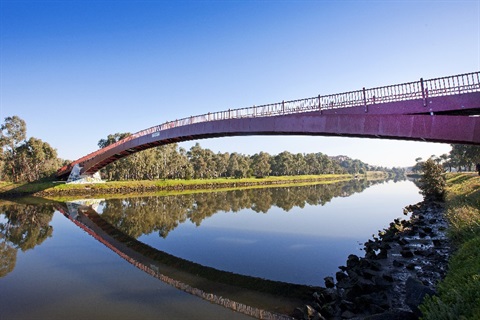
I’m Macpherson Robertson, born in 1859. My creations—Freddo Frog, Cherry Ripe—became household names. But my legacy goes beyond sweets: I funded MacRobertson High School,  MacRobertson bridge and even Antarctic expeditions. I believed in reinvesting wealth into the nation’s future. Born: 6 September 1859 – Died: 20 August 1945

Mary Reibey – Woman on the $20 note
I was a former cross-dressing horse thief convict turned merchant, I helped lay the foundations for Australian banking and commerce. My financial acumen and resilience paved the way for women in business, and I’m proud to be remembered as a pioneer. Born: 12 May 1777 – Died: 30 May 1855

Axil Coffee Roasters, 76 Flinders – David Makin
I’m David Makin, and I founded Axi Coffee Roasters at 76 Flinders Lane to elevate Melbourne’s coffee scene. We’ve created jobs, supported ethical sourcing, and built a loyal community around quality coffee. Our financial success has fueled local employment and helped define Melbourne’s café culture.

Ned Kelly – Cultural Icon, Forum, Athenaeum theatres
My story lives on in Melbourne’s tourism economy. The Old Melbourne Gaol, where I was held and executed, draws thousands of visitors each year. My mythologized legacy contributes to the city’s cultural narrative and economic vitality through tourism. Born: June 1855 – Died: 11 November 1880

The Big Issue – Steven Persson. I’m Steven Persson, and I brought The Big Issue to Australia to create employment opportunities for people experiencing homelessness. From our Melbourne office we’ve generated millions in income for vendors and raised awareness about poverty and social exclusion.

Sidney Myer – Myer Department Stores. I founded Myer with a vision to blend commerce and community. Our flagship store at 314 Bourke Street became a Melbourne icon. Through the Myer Foundation, our family supports the arts, education, and social equity. My financial success was always meant to uplift others. Born: 8 February 1878 – Died: 5 September 1934

Michael Long – Michael Long Foundation, Fed Square After helping Essendon acheve two premierships, I founded the Michael Long Foundation to empower Indigenous youth through education, sport and leadership. Through AFL events and advocacy, we’ve driven social change and reconciliation, while investing in future generations.

Vida Goldstein – Suffragist and Reformer 1869-1949, Fed Square campaigned in Melbourne for gender equality, and I’m proud of the reforms I helped ignite. My work laid the groundwork for women’s political participation and social reform. Today, my legacy lives on through educational programs and public memorials that continue to inspire change. Born: 13 April 1869 – Died: 15 August 1949

CSL – Commonwealth Serum Laboratories, Nicholas Building We’re CSL, founded in 1916 to serve Australia’s public health. From our headquarters at 655 Elizabeth Street, Parkville, we’ve grown into a global biotech leader with 25,000 employees Our investments in research, infrastructure, and vaccine development have saved lives and strengthened Australia’s medical capabilities. Organization-led; not tied to a single founder(Continued)

RMIT University – Francis Ormond I’m Francis Ormond, and I founded what would become RMIT University to provide practical education for working Australians. From our central campus at 124 La Trobe Street, we’ve educated generations of innovators and professionals. My financial contributions helped establish a legacy of accessible learning that continues to shape Melbourne’s workforce. Born: 23 November 1829 – Died: 5 May 1889

Melbourne City Mission – Hester Hornbrook I’m Hester Hornbrook, and I helped establish Melbourne City Mission to support vulnerable youth and families. Though not a traditional entrepreneur, my social enterprise laid the groundwork for community care in the CBD. Our programs have empowered thousands, and our presence in Melbourne continues to drive social equity. Born: 1820 – Died: 1875

I’m John Sumner who founded Melbourne Theatre Company to bring world-class drama to the city. From our home at Southbank Theatre, 140 Southbank Boulevard, we’ve enriched Melbourne’s cultural life and employed thousands of artists and technicians. Our financial impact on the arts sector is matched only by our social influence. Born: 27 December 1924 – Died: 24 May 2013

Melbourne Symphony Orchestra – Alberto Zelman Jr. I’m Alberto Zelman Jr., and I helped establish the Melbourne Symphony Orchestra to elevate Australia’s musical landscape. Our performances at Hamer Hall, 100 St Kilda Road have inspired generations and contributed significantly to Melbourne’s cultural economy. Born: 1874 – Died: 1927

Melbourne International Comedy Festival – Barry Humphries I’m Barry Humphries, and while I didn’t found the festival myself, my character Dame Edna helped shape its identity. The Melbourne International Comedy Festival, headquartered at Level 3, 240 Exhibition Street, has become one of the largest in the world—boosting tourism and supporting countless performers. Born: 17 February 1934 – Died: 22 April 2023

I’m Lesley Dimmick, and I helped launch the Melbourne Fringe Festival to give independent artists a platform. Fom our base at Level 2, 10 Russell Street, we’ve supported thousands of creatives and contributed to Melbourne’s reputation as a global arts capital. Birth date not publicly available

Melbourne Writers Festival – Rosemary Cameron

I’m Rosemary Cameron who helped shape the Melbourne Writers Festival into a celebration of literature and ideas. Our events across the CBD have brought together authors, thinkers, and readers—fostering dialogue and cultural exchange while supporting the publishing industry.

Melbourne Fashion Festival – Graeme Lewsey who led the Melbourne Fashion Festival to showcase Australian design talent. From our headquarters at Level 1, 546 Collins Street, we’ve driven economic growth in fashion retail and promoted sustainability and innovation in the industry.

Melbourne Food and Wine Festival – Peter Clemenger helped establish the Melbourne Food and Wine Festival to celebrate Victoria’s culinary excellence. Our events across the CBD have boosted hospitality revenue and positioned Melbourne as a global food destination.


See Prices & Bookings

MELBOURNEWALKS GIFT VOUCHERS

GIFT VOUCHERS are available from Melbourne Walks for a minimum of $280.00 and are valid for 12 months.  This enables a private group of up to four people or less the choice of any one of our general tours (2.5 hours) at a time and date of their choice subject to arrangement.  Vouchers cannot be extended beyond 12 months and are not redeemable for cash. Our wide range of tours can be found on  www.melbournewalks.com.au

For more than four people please contact us for a quote.

To arrange a voucher please email us at melbwalks@gmail.com or via  CONTACT US  

See Prices & Bookings

Melbourne Multicultural School Tour

EXPLORE the City of Melbourne, the home of one of the world’s most harmonious and
culturally diverse communities. Residents from  200 countries live side by side, speaking over 233 languages and dialects and following 116 religious faiths. H
alf of Melbournians were born or have a parent born overseas. Melbourne’s sister cities include Tianjin, Thessaloniki and Milan. Melbourne is also home to one of the largest populations of Chinese citizens outside China.  Then there are the 3000 restaurants serving 70 national cuisines!

OUR two-hour walking tour from Federation Square to QV Centre 210 Lonsdale Street, (or alternatively from the immigration Museum) explores how Melbourne cultures have evolved before and after colonial settlement through five post-Indigenous waves of immigration including United Kingdom, Chinese, Greek, Italian, Vietnamese and other cultures and how they are expressed through Multiculturalism today.  We do a range of engaging hands-on activities. This can include options of dried multicultural food snacks but ONLY through teachers with their prior approval. We also assign historic identities to each student.

John So, Melbourne Mayor and World Mayor

John So, Melbourne Mayor and World Mayor

STUDENT TRANSPORT:
Trains run to  Flinders St Station opposite Fed Square. There is bus parking east side of Federation Square and bus parking outside the QV Centre, 210 Lonsdale Street  (corner Swanston) which is also near Melbourne Central Station.  Free trams also run back to Fed Square.

SEE: BOOKINGS AND PRICES  
SEE: Our many OTHER SCHOOL PROGRAMS

I have had fantastic feedback from my staff who attended our three Multicultural tours. They thought all three guides were very engaging for our Year Nines, which isn’t easy!!
Pt Cook College.

All of my feedback is extremely positive; my fifty Grade Six students and I loved the experience.
Wattle Park Primary.

I would like to thank you for providing such a fantastic multicultural and tourism tour for the year four students. I was utterly impressed with how engaging you made the walk as I was a little worried it may go over their heads but in all honesty, I couldn’t fault it.
Allamanda College.

ROUTE 
We start from Federation Square which celebrates both the uniting of six British colonies in 1901 and the Kulin Nation of the First People.  We move to city locations reflecting the colonial culture of English, Welsh, Scottish, Irish settlers. At Chinatown we explore Melbourne’s oldest continuous ethnic community from the Gold Rush to vibrant precinct today.  From there we move to the Greek precinct in Lonsdale Street exploring the influx of post-World War Two immigrants. We finish at the QV Centre which celebrates the struggle of the Women’s Movement, including migrant women and is the location of housing of International students.  Two levels of adjacent food courts reflect the multicultural foods that delight Melbournians today.

ALTERNATIVE TOUR B
We have an alternative tour and route starting from the Immigration Museum for groups visiting the Museum. It travels to Enterprize Park, Enterprize Wharf, Scar Installation,  Yarra River, Multicultural Sandridge Bridge, Flinders Station, Flinders Lane, Degraves Street. It finishes either at Federation Square or returns to the Immigration Museum as requested.

WHAT ARE THE FIVE WAVES OF MIGRATION?
The First Wave was European settlement from 1835 by primarily United Kingdom (Irish, Scottish, Welsh, English) immigrants who impacted heavily on Nearam, the home of the Wurundjeri and the Boonwurrung.

The Second Wave was a flood of hopefuls from all over the world, including significant numbers of Chinese immigrants, trying their luck during the 1850s Gold Rush.

The Third Wave was post-WWII displaced people from Europe and Assisted Migrants. By 1976, 20 per cent of the Melbourne’s population spoke a non-English first language.

The Fourth Wave came post-1970s from mainly Vietnam and Cambodia.

Fifth Wave:  In more recent times, large numbers of refugeeseconomic migrants and students, have enlivened the multicultural fabric of Melbourne. 55% of students in Melbourne CBD  are International students, most from Asia. By 2016 there were 175,000 International students in Melbourne, the most popular study destination after Paris!

OTHER POPULAR MULTICULTURAL DESTINATIONS IN MELBOURNE
Little Italy (Lygon Street), Richmond) is a historic home of Italian, Lebanese and Jewish communities. They arrived primarily because of economic hardship, particularly the devastation of wartime Europe. They have contributed to Australian society in all spheres. Lygon Street exemplifies the modern European way of life we enjoy in Melbourne.

Little Saigon in Victoria Street in Richmond showcases Asian
immigration, foods, occupation and culture. The Vietnamese community began arriving in the 1970s as refugees of civil war (coining the phrase ‘boat people’) and  then family reunification.

Little Africa and Saigon Market, Footscray
A rich range of cultures has influenced Footscray over time including Horn of Africa, Asia and post World War Two European communities.


See Prices & Bookings

The Liveability of Melbourne – School Geography Excursion

TAKE a voyage through the iconic lanes, streets and buildings of Melbourne, a city voted seven times the most liveable city in the world.
EXPLORE the environmental, social, cultural, economic, identity and infrastructure factors that make Melbourne liveable. This excursion supports studies of Geography and Liveability. It includes Changing nations, the changing human geography of countries, population distribution, and urbanisation in Melbourne.
HOW does ‘walkability’ assist in making Melbourne liveable?
HOW do we assess places for their liveability and sustainability? 
WHAT are the challenges and threats to Melbourne’s liveability?
LIVEABILITY
 is influenced by connections between people and communities. We provide different Liveability identities to each student during the tour to profile people who have been influential in  Melbourne’s liveability. See: Liveability Identities

ROUTE:  Our route may vary depending on construction, time, weather etc. The two-hour school tours usually commence and finish at Federation and usually travel via the Atrium, Birramung Marr, Hosier, Flinders Lane,  Degraves, Collins, Lt Collins, Bourke, Swanston exploring buildings, lanes and the creative spaces of the city centre including aspects such as infrastructure, environmental quality, safety and stability, health care and education, climate, cultural activities, access to shops and services, and recreational facilities.

SEE: BOOKINGS AND PRICES

SEE: Our Other SCHOOL EXCURSIONS

MELBOURNE has witnessed a spectacular regeneration since 1994, having been ranked seven times the most liveable city in the world. Its city centre population has grown from 400 to  181,000 persons. In 2008 it became one of the first United Nations Cities of Literature. In 2016 it joined with 100 Resilient Cities to protect its liveability.  How did this amazing transformation occur in little more than two decades. Can we use this understanding to compare and improve other localities? To better understand similarities, differences and characteristics and how perceptions influence protection?

I write with much appreciation to thank you for the ten wonderfully engaging and professional
Geography Liveability tours you provided for our students.  I have had only the most positive of feedback from staff who seemed to be just as engaged in the tours as our students!  Also, I thank you for the support you provided prior to the tours. 
Thank you once again.
Brentwood Secondary College

Thank you so much for the fantastic liveability/historic walking tour of Melbourne that you provided our five groups of Year 5 students. All of our students were thoroughly engaged throughout the walk ( so much so that not one of the 104 of them complained about walking !!!) and were able to make some real connections between sites, events and people in history ! Their understanding of the changing diversity of Melbourne was enriched by the experience. I would highly recommend your tours to other schools. Feedback from each class was that each of the guides was excellent and we loved the fact that not all groups visited the same thing so they’ve had lots to talk about and compare since! Thanks again for an outstanding educational experience!
Mernda Primary School


LIVING WILD OFF THE LAND – foraging tour


FORAGE
in Melbourne’s urban landscapes, walking through woodland, billabong, wetland, parkland, and stream to the seashore of beautiful Hobsons Bay.
IDENTIFY AND HARVEST traditional wild flora and fauna that can used for sustainable bushtucker gardens, schools, homes and workplaces.
LEARN how Aboriginal people, colonial settlers, immigrants and modern Melbournians, have harvested traditional foods, medicines, tools and shelter throughout our natural seasons.
DISCOVER how traditional harvesting and land regeneration contributes to a sustainable future as discussed by authors such as Bruce Pascoe (Dark Emu) and Bill Gammage (The Biggest Estate on Earth)

WHEN? Our 2.5-hour tours (schools two hours) are by arrangement at a time of choice.
WHERE? Popular locations are Albert Park Reserve, Elwood or Black Rock (see below).

SEE: BOOKINGS AND INQUIRIES

“Amazing day yesterday foraging through St Kilda, thanks to Melbourne Walks. So much to learn about our landscape, so much “hidden” in plain sight… check out their book Yalukit Willam published with the Boon Wurrung Foundation.”   Inner City Book members.

”People thought the route you chose for our walk was fantastic. The content was informative, educative, enjoyable and so interesting.”             
Port Phillip Reconciliation Action Group.

Popular Locations include:
1. ALBERT PARK RESERVE TO ST KILDA BEACH/YURO YUROKE
Forage while walking from the ancient St Kilda Ngargee tree, a billabong woodland through Albert Park Reserve to the West Beach wetland and Hobsons Bay.

2. HALF MOON BAY, BLACK ROCK
A superb natural environment of cliffs, beachfront and existing historical and archaeological sites including tidal zone,  middens, freshwater springs, lookouts, ochre, cliffs and signature plants.

3. ELSTER CREEK TO ELWOOD BEACH
Follow the historic ‘Elster Creek’ wetland to Elwood Beach. 

SEE ALSO: Melbourne Indigenous Landscapes Tour

WHAT DO WE SEE?
Some of the wild foods, tools and medicines we usually encounter on our walking tours include lemon gum, mat-rush, purslane, pigface, lemon myrtle, ti-tree, warrigal greens, kangaroo apple, wattle, lilly pilly, banksia, hopbush, banyan fig, messmate, flax lily, melaleuca, saltbush, eucalyptus, common reed, seaberry, seablight, she-oak, yellow gum, shellfish, wallaby grass and goodenia. What we harvest on any particular day varies on the seasons and weather. Spring, Summer, Autumn are the most productive times of year! 

LIST OF MELBOURNE’S BUSHTUCKER FAUNA AND FLORA:
Murumbal or Blueberry Lily/Flax Lily – Dianella: Purple berries have a sweet flavour, which becomes nutty once seeds are chewed. Leaf fibres were used to make strong string and baskets.

Kallara or Tea-tree/Paperbark/Melaleuca Alternifolia: Oil used for antiseptic, disinfectant, hand-sanitiser, colds, insect repellent, infection, acne, nail fungus, skin inflammation, athlete’s foot, dandruff. WW11 soldiers were issued this ‘first aid kit in a bottle’. Used for tea and brewing beer (with spruce) by Captain Cook’s crew.

Beal or River Red Gum
 – Eucalyptus camaldulensis: Possibly Australia’s most popular native tree.  Possum and bird habitat. Bark used for housing, shields, coolamon, and canoes. Kino for burns.

Hop Goodenia – Goodenia ovata: An infusion of leaves and twigs has anti-diabetic properties. Aboriginal mothers infused leaves to help babies sleep.

Hop Bush – Dodonaea viscosa: Used by European settlers as “hops” in beer making. Aboriginal people used parts of the plant as a local anesthetic, chewed the leaves to relieve tooth-ache and bound them to skin to treat stings.

Mookitch or Kangaroo Apple – Solanum lanciniatum: A tall shrub with leaves resembling a kangaroo paw with purple flowers and fruits changing from yellow/green to orange when ripe. An important food for Aboriginal people but only when eaten fully ripe. Sometimes placed in sand to ripen. Contraceptive. Farmed in the Soviet Union to extract an alkaloid for oral contraceptives. Same genus as the potato, tomato, and eggplant.

Billabongs/wetlands: Tubers harvested from Common reed, Cumbungee, knobby club rush, tubers, tortoises, eels harvesting, aquaculture systems, fish stunning.

Taark or Common Reed – Phragmites: Edible roots. Edible young shoots. Necklaces/beads. Spearshafts. Snorkels. Straws, Septum decoration. Weaving bags, baskets.

Native bees: Sugarbag/honey, hunted with gum and feathers!

Katwort or Pigface: Burns and stings. Water supply. Antioxidant. Water supply. Fruit (salty strawberry). Groundcover. Bluetongue habitat.

Warrigal Greens/Botany Bay Spinach: Spinach, pesto, scurvy, vitamin C, anti-oxidant. Early food and scurvy cure of Captain Cook.

Eucalyptus oil: Confectionary, disinfectant, wool wash, cold relief – coughs, chest etc, joint pain, insects. Oil is the first Industry in Australia made in Botany Bay 1788. Bosistos has made it for over a century.

Kangaroo/Wallaby Grass –
Themedatriandra.  A perennial grass forming dense masses, one of Australia’s most widespread grasses.  In summer, Indigenous people gather seeds and grind them into flour which, when mixed with water, was cooked to make damper. Dense clusters of shiny bright brown spikelets form on wiry stems which were used to make twine for fishing nets. Tussocks recover vigorously after fire and this grass was a staple food of kangaroos on the basalt plains.

Lemon myrtle: Antioxidant. Antiseptic. Mosquitos. Anti-inflammatory. Tea. Very popular lemon food flavouring. Coughs, Perfume. Soap.

Munyeroo or Purslane/Pigweed: A ‘super food’ eaten raw for salads or sautéed, It contains very high levels of Omega-3 fatty acids. It can be eaten in salad, stir-fried, or cooked like spinach. It can be applied topically to relieve sores and insect bites on the skin.

Banyan or Moreton Bay: Fig fruit is edible at times of year, used for jam. Fibre is used for nets. Fruit attracts flying foxes in Albert Park Reserve.

Bonyi or Bunya Pines: cones weigh 6-10 kilos, up to 60 nuts, three-year harvest, nuts similar to chestnuts are roasted or ground as flour, trees can live 600 years. Another ancient Queensland nut producer is the Macadamia. This industry employs 5,000 people, produces 46,000 tonnes of nuts annually and contributes over $260 million to the economy.

Wagnarra or messmate: Tools, clap sticks.

Lemon Gum: Tanderrum ceremonies, welcome to country. Smoking ceremonies. Citronella – mosquitos, candles.

Lilly Pilly: Fruit. Jam. Colds and flu. Astringent anti-aging skin care.

Willam or Bark from Melaleuca – Tea Tree: 300 species! Bark (wilam) for rugs, bandaging, mattresses, roofs, cooking, nappies, letter writing, and thatching. Oil from the leaves for coughs, colds, tea. Wood for spears, digging sticks. Nectar from the flowers.

Dilly bags or Matrush or Basket Grass – Lomandra: Nets, baskets, nuts, salad, decorations, sugar, edible flowers.

Birrna or Coast Banksia Tree: Flowers as water filters. Flowers sore throats. Flowers as a fermented drink. Candles. Combs. Torches for fishing. Pipe cleaners. Cotton buds.

Coastal Saltbush: Popular flavouring by chefs with meat. Saltbush lamb. Chips. Blue wren habitat. Soups.

Easip or yellow gum or red flowered gum: nectar

Kabin or Kennedia: twine, nectar

Burgan or White coastal tea tree: coughs and colds, snapper signal

Burgil or Honeypots Nectar from flowers red flowering gum and others, colds, sore throats

Seaberry saltbush: Dye. Cosmetic lipstick.

Seablight: Garnish, salad, pickled vegetable.

Lerp: sugar

Cicadas: Eaten, sometimes called land shrimp. Trigger for high summer season.

Spider web: Coagulant

Wayetuck – Black She-oak – Allocasuarina littoralis: Cones used for fishing. An important wood for making implements such as boomerangs, shields and clubs. A boomerang from the Drooping She-oak was found in South Australia 10,000 years old. The mat of fallen needle-like foliage under she-oaks was considered a safe place to leave children as snakes are said to avoid these areas. Excellent fuel in great demand for bakers’ ovens.

Kabin or Running Postman – Kennedia prostrata: Aboriginal people sucked the sweet nectar from flowers, and also used the stems as twine.

Nepturne’s Beads: Edible seaweed. Beads pickled by early settlers.

Sea Parsley (Sea Celery): Occurs all along the southern coastline of Australia. Its leaf form and plant dimensions vary quite considerably from place to place, but most commonly it has an appearance of shiny dark green parsley.

Charcoal: poisoning, stomach illness

Ochre: Ceremony, paint, wounds

WARRARAK OR WATTLE There are about 1000 species of wattles out of the world’s 1350 species.
Wattle seed: provides protein and carbohydrates.  The seed was crushed into flour between flat grinding stones and cooked into damper. The green seeds of some species were eaten after baking in the hot coals. Wattleseed contains potassium, calcium, iron and zinc. With a low glycemic index, they are good for diabe
tics. Often roasted for use in cakes, bread, muffins and as a coffee substitute.
Wattle Gum: This is highly nutritious and gathered from wattle trees, often by children as well as adults. It has the rare quality of being able to be stored for long periods. When mixed with lime such as ash, can used as an adhesive to connect stone, wood and string. Gum was dissolved in water to make a mild sweet drink and also mixed with ash for use as resin.

Wattle bark: Used for tannin. Grubs.

Muyan or Silver Wattle – Acacia dealbata:Wattle blossoms will coat the slow-moving Yarra at this time. Eels feed on a particular grub that lives in the wattle flowers. The wattle is also used to symbolise Elders, and is one of the plants used in tanderrum ceremonies. It is a plant where every part is used – blossoms, gum, seed, bark and wood. Gum was dissolved in water to make a mildly sweet drink and also mixed with ash for use as resin.

Burnalook or Blackwood – Acacia melanoxylon:Fibre was used for fishing lines. Leaves for dyeing material. Bark infusion for rheumatism. Bark also has tanning properties. The hardwood for clubs, spear throwers, boomerangs, and shields, and more recently, fine furniture

HARVESTING TOOLS
Shells: used for cutting, and cleaning skins

Bone awls: used to pierce hides for sewing from the sinews from a kangaroo tail.

Stone: Certain kinds collected and chipped to make a wide range of implements for cutting, weapons, cooking etc.

Flint: Exchanged by barter for tools to make microliths made by knapping.

Greenstone: Very high-quality axes traded from Mt William Quarry in Lancefield with permission from Ngurungaeta/Chief Billibellary.

Grinding stone: Used to sharpen axes at  Yuro Yuroke -St Kilda esplanade

Wells: Supplying water at West Beach.

Coolamon: wooden bowls used for water, cradles, and carrying produce. Made from bark or gall/burl.

She-oak cones: Fishing

Baler shells: used for water

HARVESTING ANIMAL PROTEIN
Common Long-necked Turtle Chelodina longicollis: Turtles were caught and eaten. Eggs were collected from the edges of rivers and wetlands during spring.

Shellfish and middens: abalone, turbo, limpet, mud oyster, pippi, whelk, mussel
Freshwater mussel.

Mutton birds/penguins: Fatty food.

Brushtail Possums are common in Catani Gardens, St Kilda. Different species are Grey Brushtail possums and ringtail nesting in bushes or hollow trees such as the Red Flowering Gum – Corymbia ficifolia, and the River Red Gum – Eucalyptus camaldulensis. Possums, which sleep during the day were caught, killed, gutted, skinned and cooked in coals before being eaten.  The skins were sewn together to make cloaks or rugs. Possum fur is used to make twine.

Fruit bats or grey-headed flying fox. Frequently found in Albert Park Reserve feeding from fig trees. An appreciated food source for Aborigines and some colonists. Usually roasted whole in coals, only the wings being removed first. Skin not eaten. The flesh has an excellent flavour resembling chicken.

Ducks, Swans, waterfowl: Are commonly found on Albert Park Lake where traditional owner campsites were recorded. Ducks were an important food source for Aboriginal people and colonists. They were caught in a variety of ways, often speared or brought down with boomerangs as they fed. Katherine Parker describes in detail the way ducks were caught by the Ualayai people of the Barwon River Wetlands in the 1890s:

“Ducks were trapped, too, by making bough breaks across the shallow part of the creek, with a net across the deep part.. A couple of the men would go upstream to hunt the ducks down, and some would stay on each side of the net armed with pieces of bark. The hunters upstream frightened the ducks off the water, and sent them flying downstream to the trap. Should they seem flying too high as if to pass, the men would throw pieces of bark high in the air, imitating, as they did so, the cry of hawks. Down the ducks would fly, turning back; some of the men would whistle like ducks, others would throw the bark again, giving the hawk’s cry, which would frighten the birds, making them double back into the net, where they were quickly despatched by those waiting.”
Ducks can also be caught by stealth, which involves a swimmer grabbing the duck’s feet and pulling them under the water.

Bogong Moths: fat and protein.

Short-finned eel – Anguilla australis: caught, using traps woven from mat rush. In fresh water, men would muddy shallow water and feel for eels with their feet.  Hand nets used in salt water.  Spears sometimes used.  For pains in the joints fresh skins of eels were wrapped around the area, flesh side inwards.  (The same cure was very common in Scotland for a sprained wrist.). Eels are nocturnal fish. Females grow to around 1m in length, weighing approx 3kg. The females prefer freshwater, the males live in the sea. When the eels reach sexual maturity (10-20 years for females, 8-12 years for males) they migrate distances of up to 3000km to the Coral Sea where they spawn. It is believed the females die after spawning. The females can release more than 2 million eggs which float in the currents down the east coast of Australia. The eggs hatch into glass eels which migrate down the coast and into the estuaries. The glass eels that migrate up the rivers into the lakes and swamps develop into females, the ones remaining around the estuaries develop into males. Short-finned eels migrate from late summer to autumn. If an eel’s water supply is drying up it may travel up to 1.5km over land to find another source.

HARVESTING EDIBLE WEEDS
Nettle. Despite its “sting”, young plant parts are edible, as is much of the plant when blanched or otherwise prepared. Also makes a nutritious tisane. One of the most-used plants in herbal medicine, with a long list of benefits. Also once grown as a crop for its fiber. Its juice was once used in the place of rennet in cheese-making. It was also a source of “green” for dye. It can still be used as a high-protein additive in animal feed, once dried.

Burdock. The root is used to stimulate detoxification of the lymph and liver, known as a “blood purifier.” It also has diuretic and diaphoretic properties.

Dandelion. The leaves are a tonic to the kidneys, being one of the few diuretics that does not deplete the body of potassium. The whole plant, especially the root, is a detoxifying tonic for the liver. The whole plant is bitter and can be used as a digestive stimulant.

Shepard’s Purse. Used to stop bleeding.

Chickweed. One of the most nutrient dense plants, full of antioxidants. Great for skin conditions when infused into oil. Dissolves cysts and lumps.

Native Plantain, Ribwort, Pig’s ear. Excellent wound healing herb. “Not only does plantain increase the speed of healing, it also relieves pain, stops bleeding, draws out foreign matter, stops itching, prevents and stops allergic reactions from bee stings, kills bacteria, and reduces swelling.” Mucilaginous. The seed husks are the main ingredient in psyllium laxatives. Identify this common weed by the 5 parallel veins on the underside of the leaf.

Mallow. Whole plant is mucilaginous, extracted in cold water or vinegar, which is soothing internally (easing sore throats, upset tummies, heart burn, irritable bowel, colic, and constipation) and externally (relieving bug bites, burns, sprains, and sore eyes).

Nasturtium. Considered one of the “magic bullet” companion plants, benefiting almost any crops around it in some way, and not known to hurt any All parts of this plant are edible, flowers and leaves make brilliant salad decoration

Ground Ivy Used in the traditional medicine of Europe going back thousands of years. Inflammation of the eyes, tinnitus, a diuretic, astringent, tonic and gentle stimulant.

FURTHER INFORMATION
This walking tour is dedicated to St Kilda ethnobotanist Beth Gott and Gunditjamara elder Banjo Clark who collaborated on the brilliant publication ‘Koori Plants Koorie People’.  Our information is sourced from 30 years of personal foraging. We also use research from sources such as Monash University and Melbourne University who have collaborated with Indigenous cultural walks. Our own books include ‘Melbourne Dreaming. A Guide to the Aboriginal Places of Melbourne’ and  ‘Yalukit Willam, The River People of Port Phillip’.

OTHER SOURCES

See Prices & Bookings

Melbourne Design and Technology School Tour

Our Design and Technology School tours (two hours) explore the design and technology processes of both historical and modern buildings around Melbourne. On this tour, we stop regularly to discuss issues with students such as design, technologies, materials and heritage as well as entering buildings. We engage in activities that explore Indigenous design, heritage images, street art, and the acknowledgement of country. Students are each given roles to play as identities important to the story of Melbourne.
Some of the buildings that we view or visit on our tour to discuss their design issues can include, depending on time:

 – Flinders Station 1910: French Empire design, first steam train in Australia, gateway to city.

– Federation Square piazza 2001: abstract modern, use of stone materials, scalene triangle designs and Indigenous design.

– Federation Atrium 2001: designing sustainable biomimicry, thermal labyrinth to reduce fossil fuels.

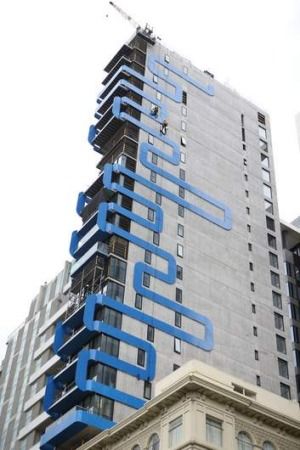
-Eureka Tower 1989 and Australia 108: Skyscrapers in Melbourne, designs in reinforced concrete, Australian Flag design.

– Birramung Marr Park: redesigning roads to parks.  Melbourne tree strategy, uses art and sculpture in design.

–  Artplay building 2001. Retrofitting brick buildings into modern design purposes. Indigenous design and technologies.

– Jolimont Railway Yards: designing cities of the future in the sky.

– Hosier Lane: Warehouse design, redesigning lanes in Melbourne, agglomeration theory, bluestone as a unique Melbourne material, use of buildings as street art canvases.

– St Paul’s Cathedral 1857: Gothic revival design, buttresses, sandstone.

– Swanston Street: Metro tunnel designs, redesigning transport in Melbourne to promote walking and sustainability, biophilia, and Smart technologies.

– Nicholas Building 1926: Art deco, tiles as design material.

– 271 Collins 1872: Classical design, preserving heritage.

– Block Arcade 1891: Mannerist design

– Royal Arcade 1870: Enclosed lanes, retail design, the oldest arcade in Australia, automatons.

SEE: BOOKINGS
SEE: Our other SCHOOL TOURS
SEE:  Our other 50 TOURS 
See Prices & Bookings

The Butterfly Women by Madeleine Cleary – A History Tour

OUR TOUR explores the historic events and settings of the novel ‘The Butterfly Women‘ such as Papillon, Magdalene La, Casselden La, Gorman Al, Romeo La, Juliette Tce, Bilking Square, White Hart, Dr Howitt’s, Eastern Market, Melbourne Hospital, Black Eagle, Stephen Street, Theatre Royal, Royal La, Lt Leichhardt, Police Courts, Surry Pl and others. We also explore the historical women on whom the characters are based and the extraordinary social background of Little Lon and surrounding precincts.

SET in 1863, The Butterfly Women by Madeleine Cleary is a richly researched historical thriller blending romance and mystery to uncover hidden sides of gold-rush Melbourne. Beneath the city’s spectacular rise is Little Lon, a notorious red-light district, infamous for Papillon, the glamorous bordello. For Irish immigrant Johanna Callaghan, working there offers a rare chance at affluence but comes with serious risk. Meanwhile, journalist Harriett Gardiner is drawn from respectable society into Little Lon when a serial killer stalks its streets. As the characters intersect in the search for the murderer of vulnerable women, the untold stories of Melbourne’s women come to life. 

WE include details of other books written about the Little Lon precinct, including Madam Brussels by Barbara Minchinton, The Women of Little Lon by Barbara Minchinton, Little Lon by Andrew Kelly (illustrated children’s), Madam Brussells. This Moral Pandemonium by I. Robinson and the Mystery of the Hansom Cab by Fergus Hulme. Melbourne Walks also leads Madam Brussells Tours.

‘PAPILLON’ in Madeleine Cleary’s novel is the re-imagining of Madame Brussell’s bordello on Lonsdale Street, backed onto Gorman Lane. Her ‘flash houses’ opposite Parliament defied the bigotry of powerful men who vilified her as the ‘Queen of Evil and Harlotry’ and triggered the criminalisation of sex workers for over a century, until reversed by the Victorian parliament in 2022. This was a roller-coaster era: crazy gold rush, marvellous Melbourne, shady land boomers, the 1890s crash, and prohibition. Our tour is a fascinating insight into the values, morals and lifestyles of 19th century Melbournians and the architectural transformation of a city that had abandoned its poor into a modern city with a social welfare safety net and striking contemporary architecture.

I just wanted to say thank you for the great tour you gave last night, everyone had a wonderful time and for our line of work, all that history of welfare and everything else about this little corner of Melbourne was absolutely fascinating. Parliament staff group.
Thank you again for taking us on the tour…. We all found out some fascinating information about our own ‘home’ city, which we didn’t know. So much history!”  Royal Melbourne Hospital staff group.
Our book club members loved it!   Karina.

BOOKINGS                                        SCHOOL TOURS              Our other 50 TOURS 

I

See Prices & Bookings

MARIBYRNONG RIVER SCHOOL TOUR

Explore the ecosystems of the mighty Maribyrnong River - Maribyrnong

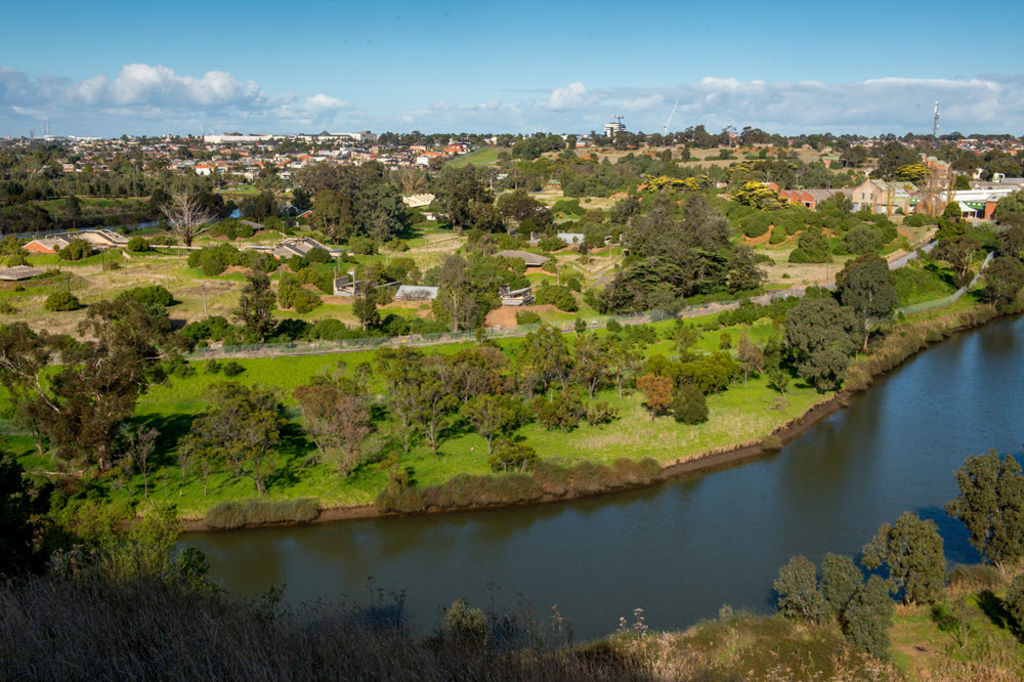
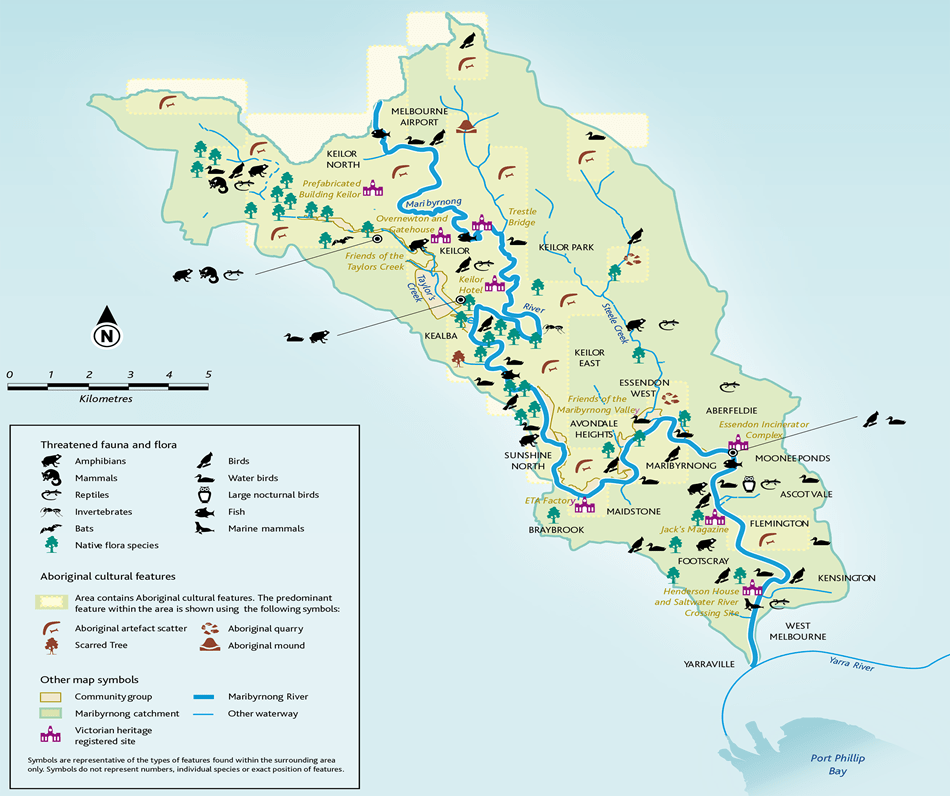
Our walking experience for students explores features of Melbourne’s second major waterway, the Mirring-gnai-birr-nong, home to both old and new living environments. Despite being the second major waterway in Melbourne, many know little about its natural beauty and extraordinary history.

EXPLORE the heritage wharves precinct and natural wetlands in the historic Saltwater River Crossing Site.
LEARN  about its history from geographical beginnings to traditional owners to colonists, bridges, industry, munitions, wharves and the contemporary township of Footscray.
TOURS  are normally 2.5 hours long. School tours are 2 hours.
See pictures

SEE: BOOKINGS
SEE:  Our other SCHOOL TOURS

Bang for buck: Defence selling explosives factory with as much as $500m  expected

See Prices & Bookings