Melbourne Street Art & Graffiti Tour

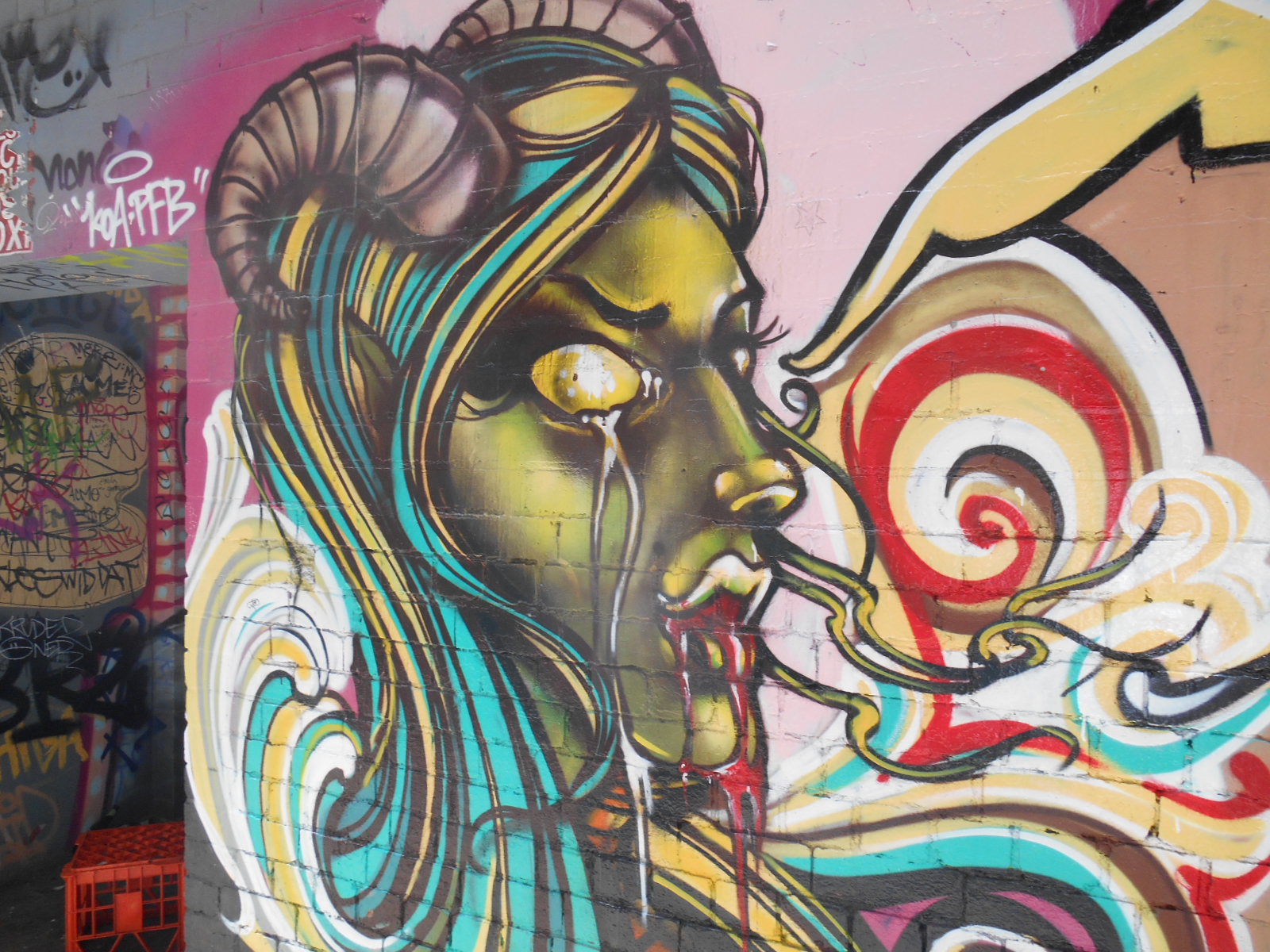
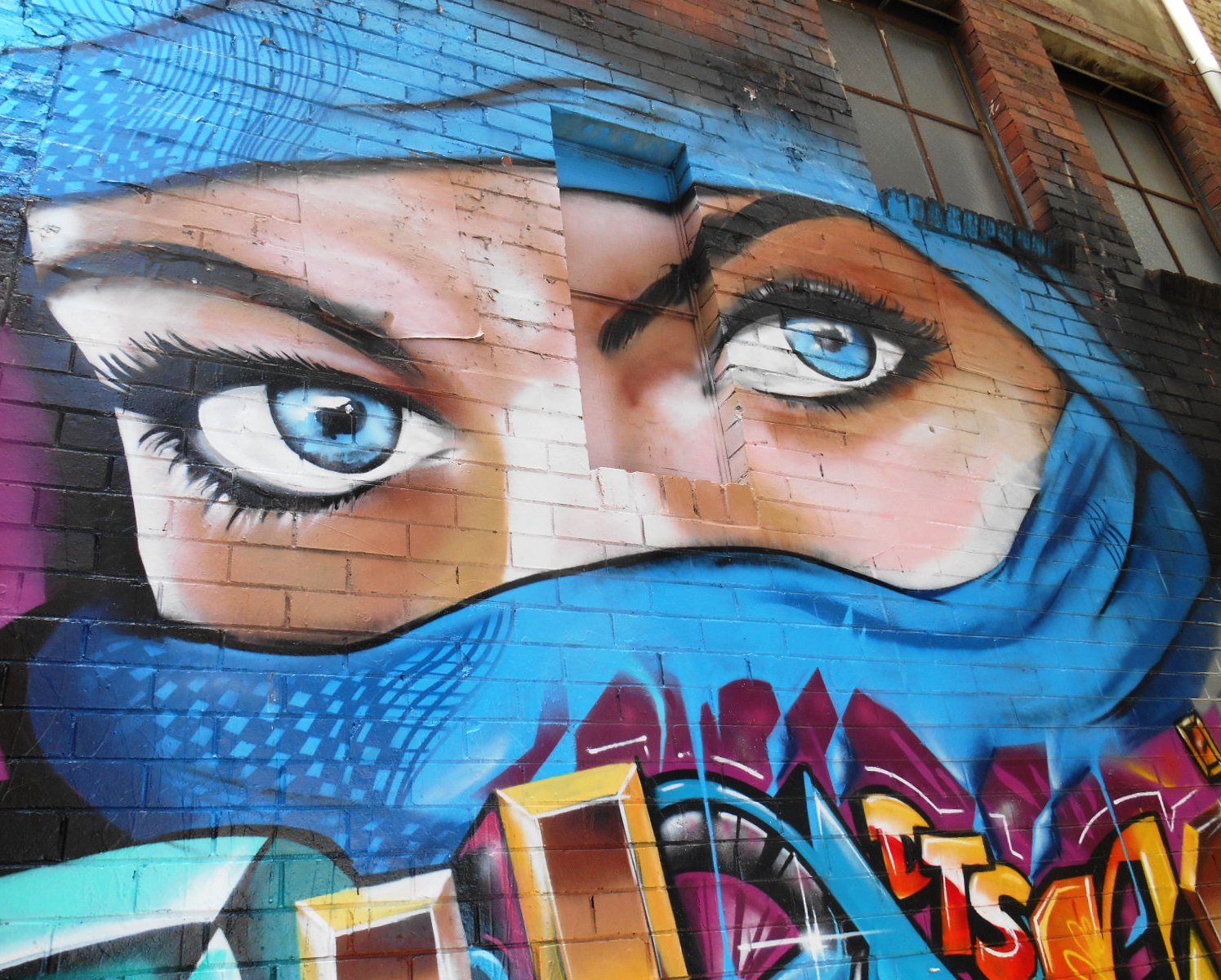
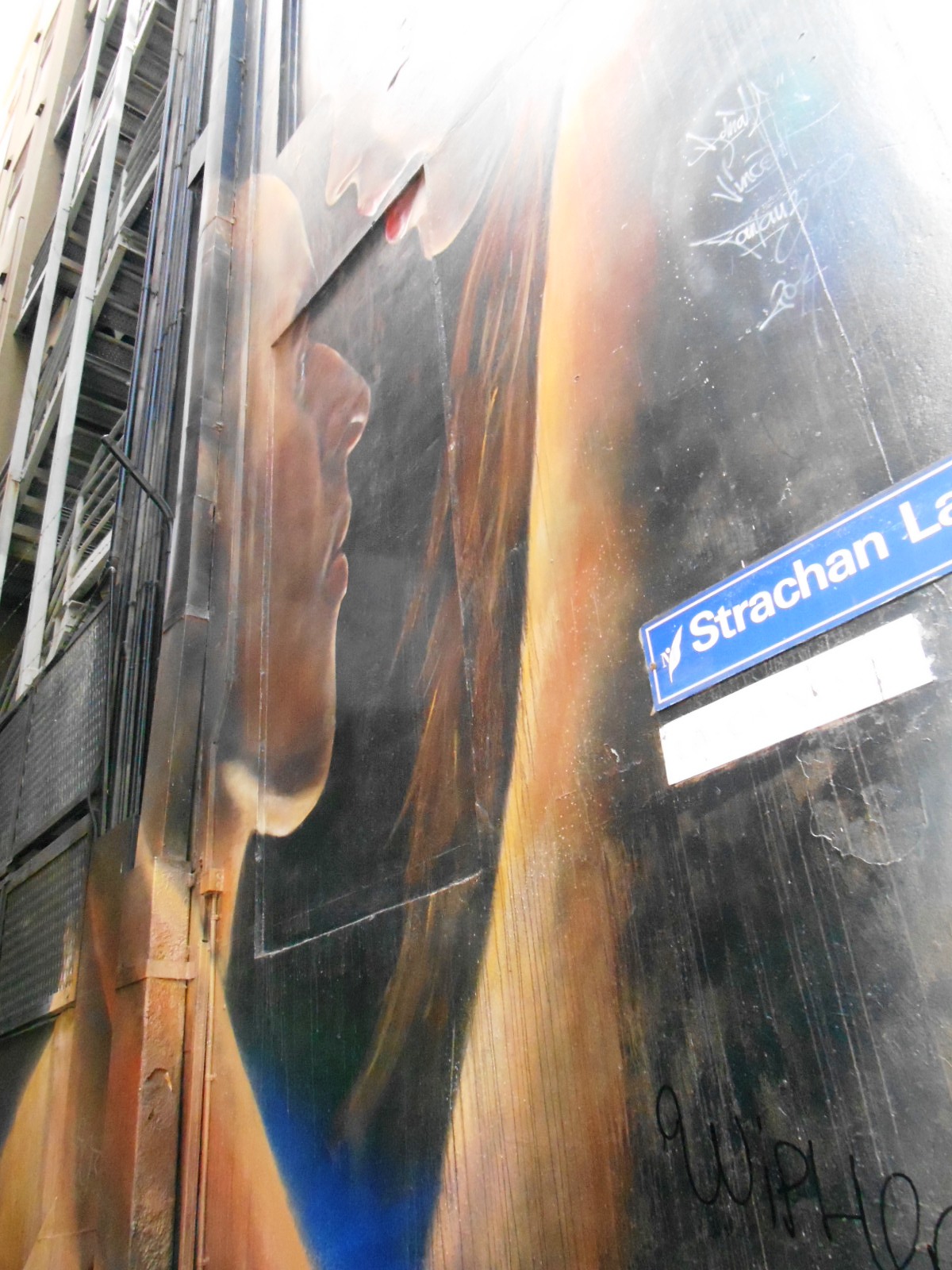
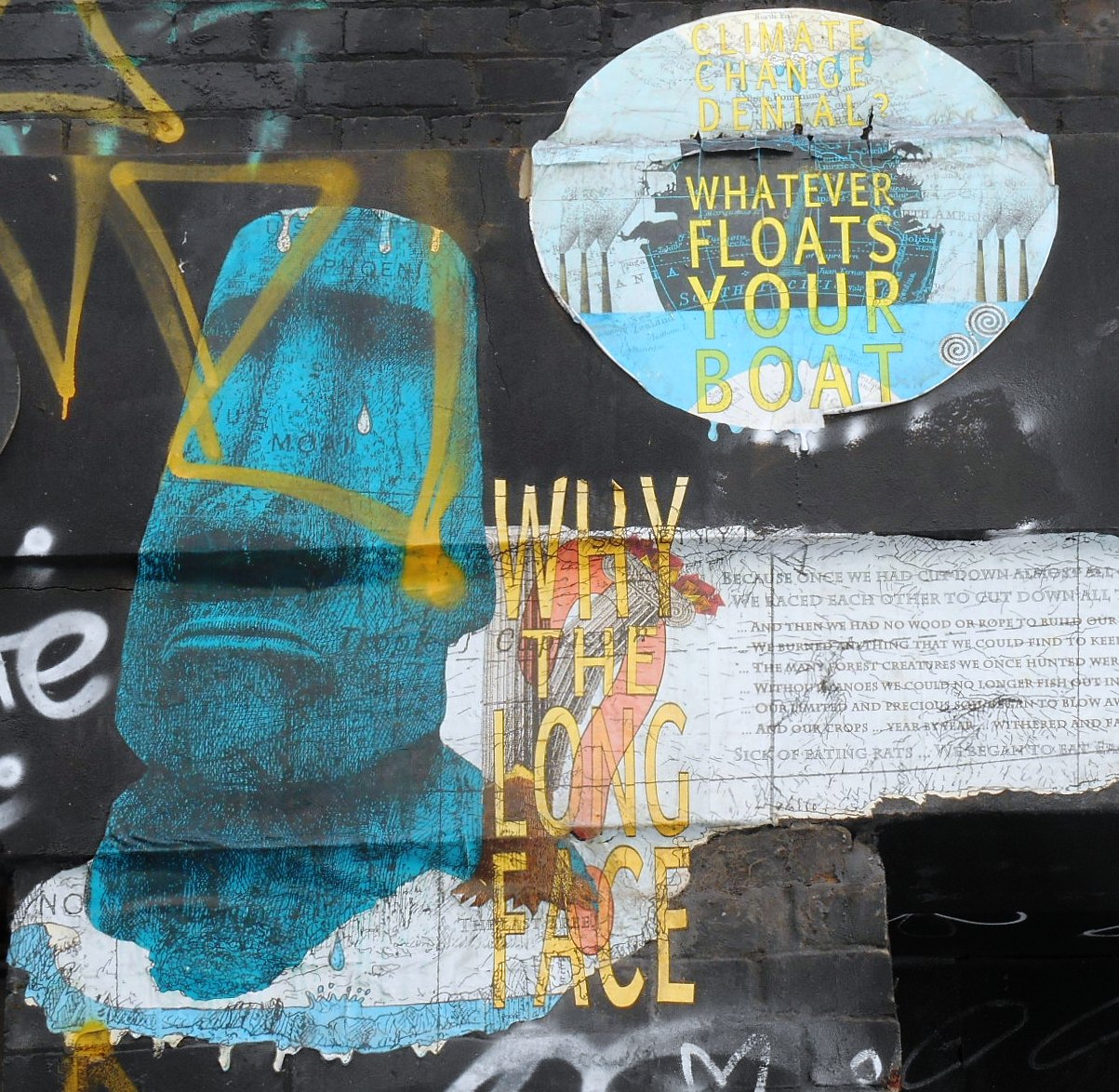
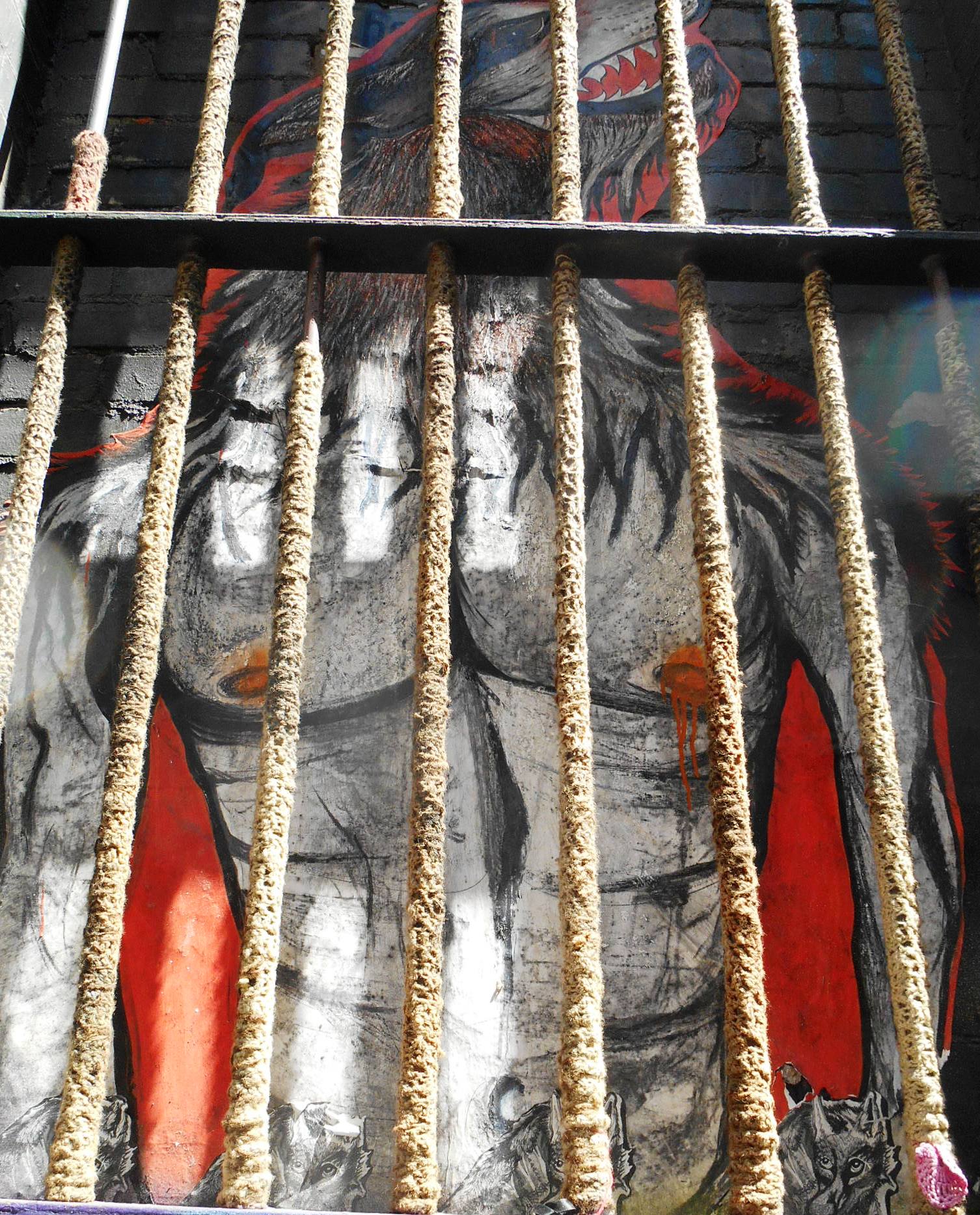
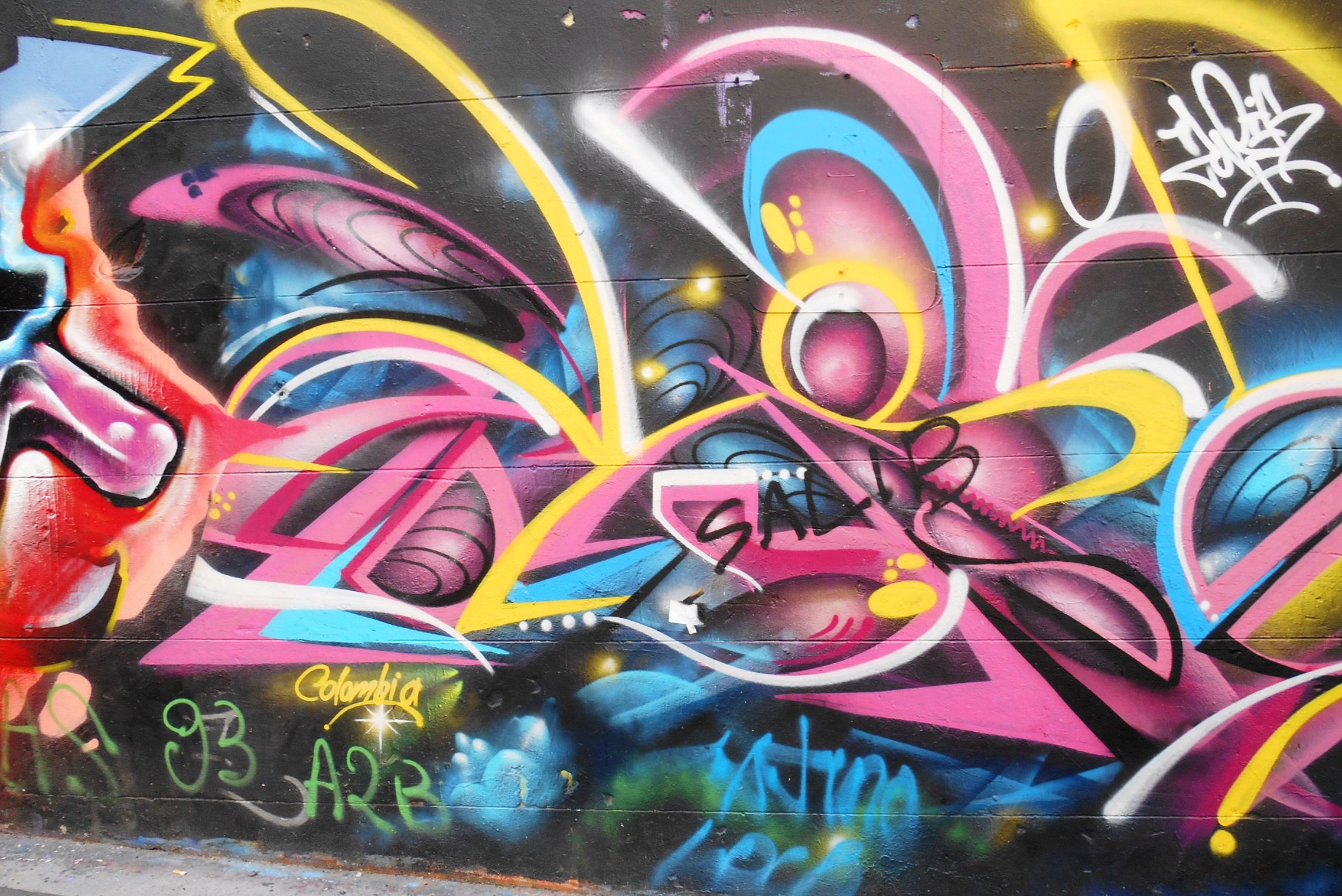
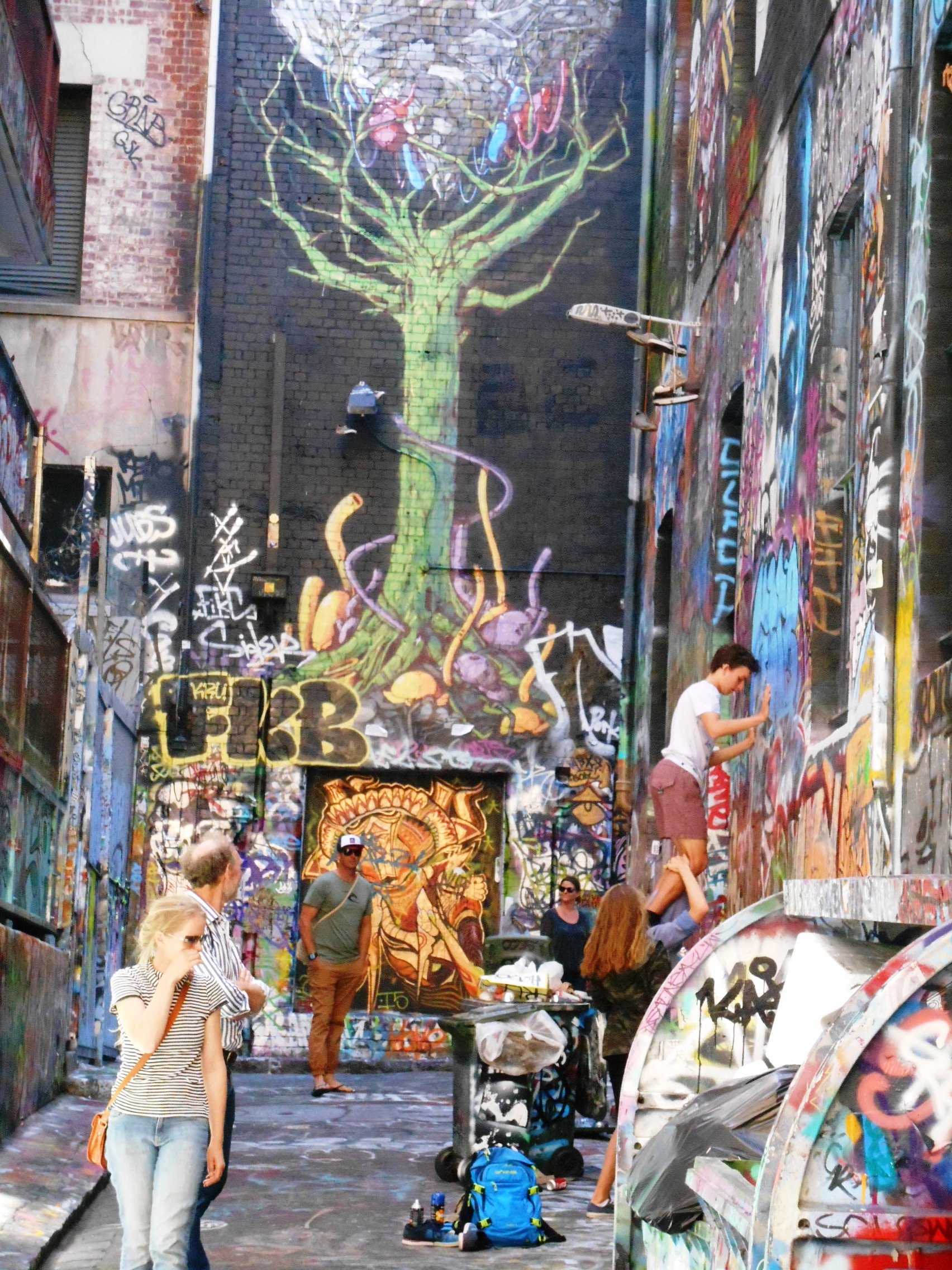
EXPLORE Melbourne’s famous street art and graffiti in the city’s labyrinth of lanes. Don’t miss one of the most radical urban art movements in the world. See also our SCHOOL TOURS.
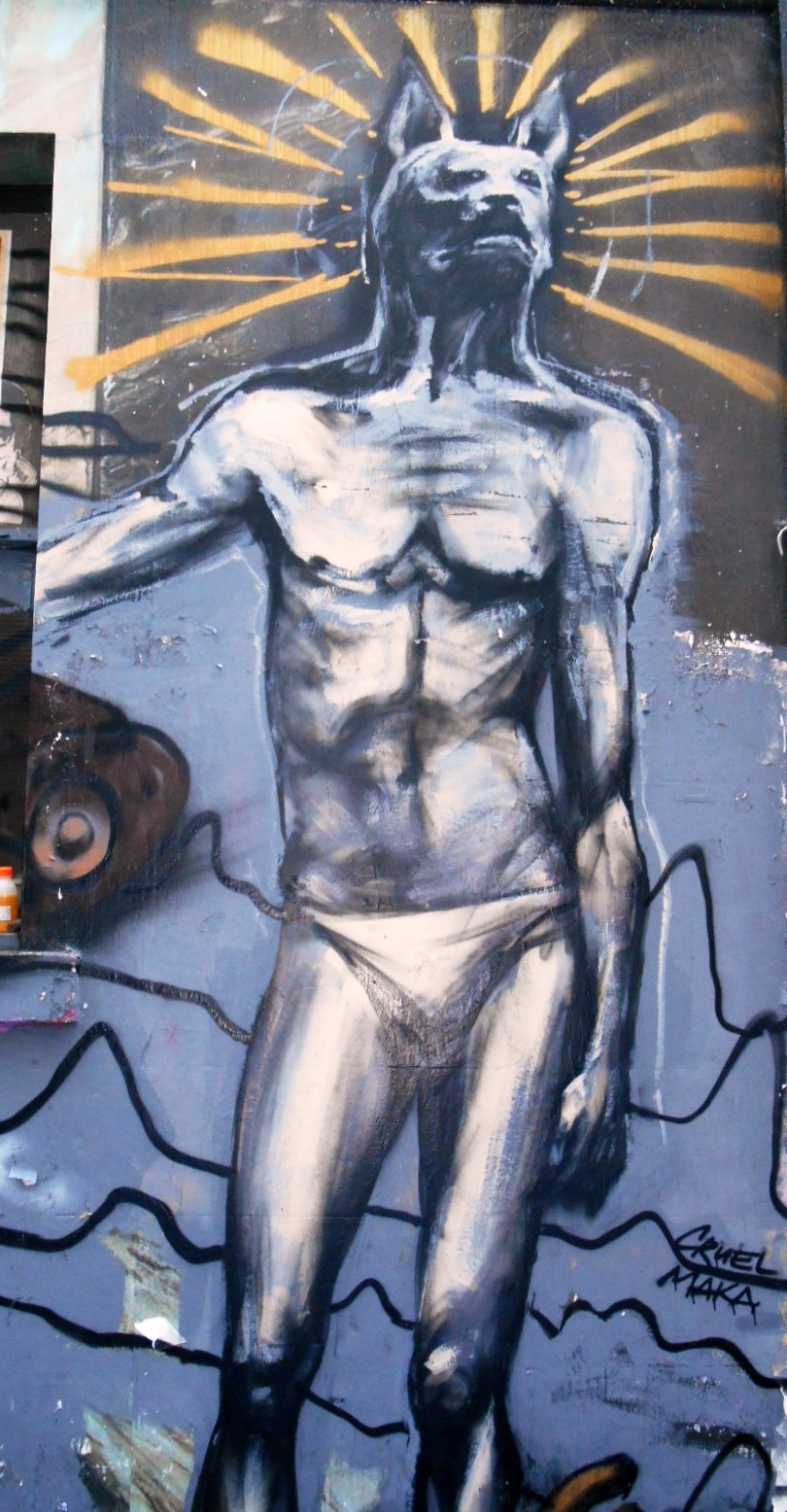
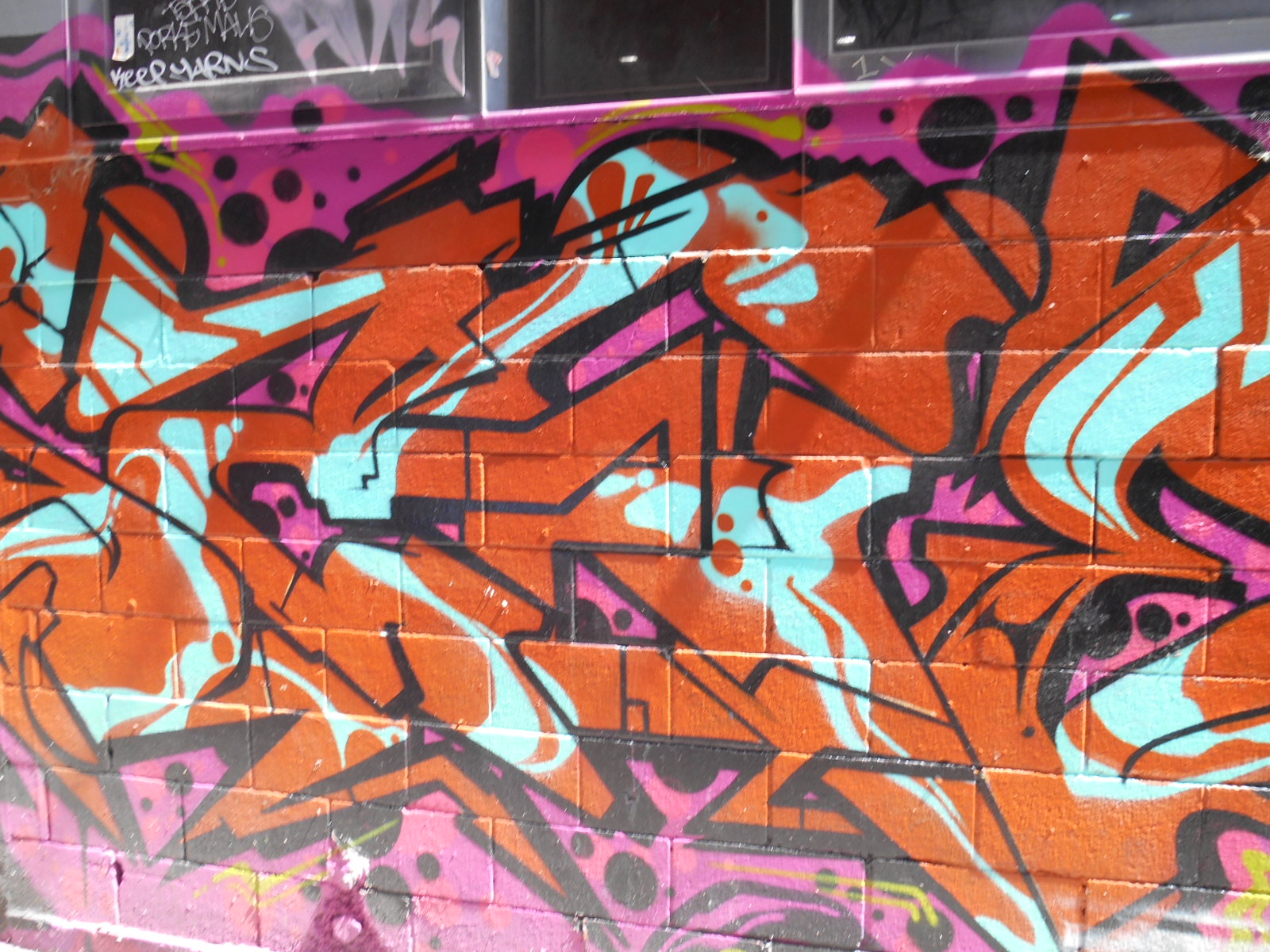
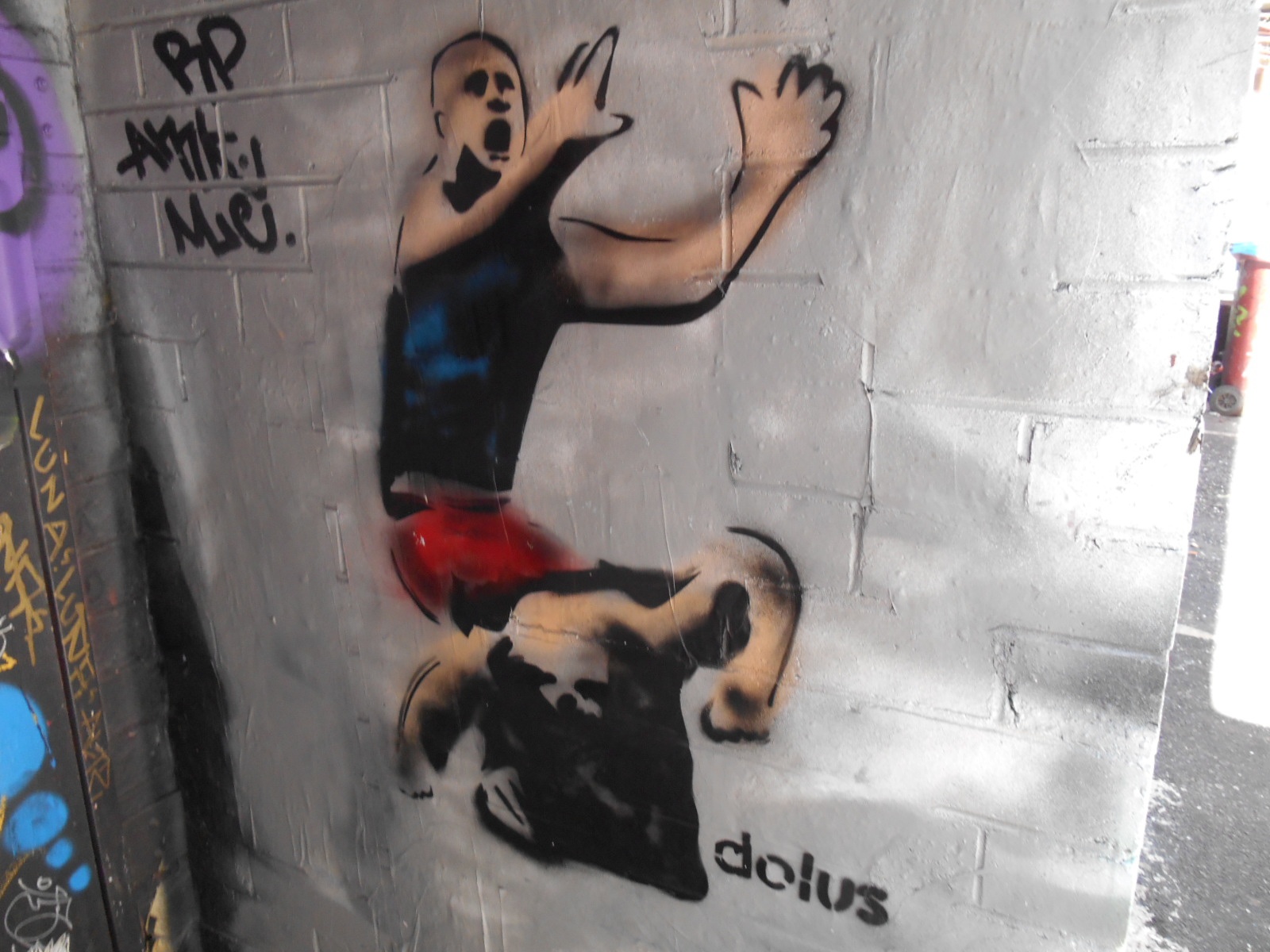
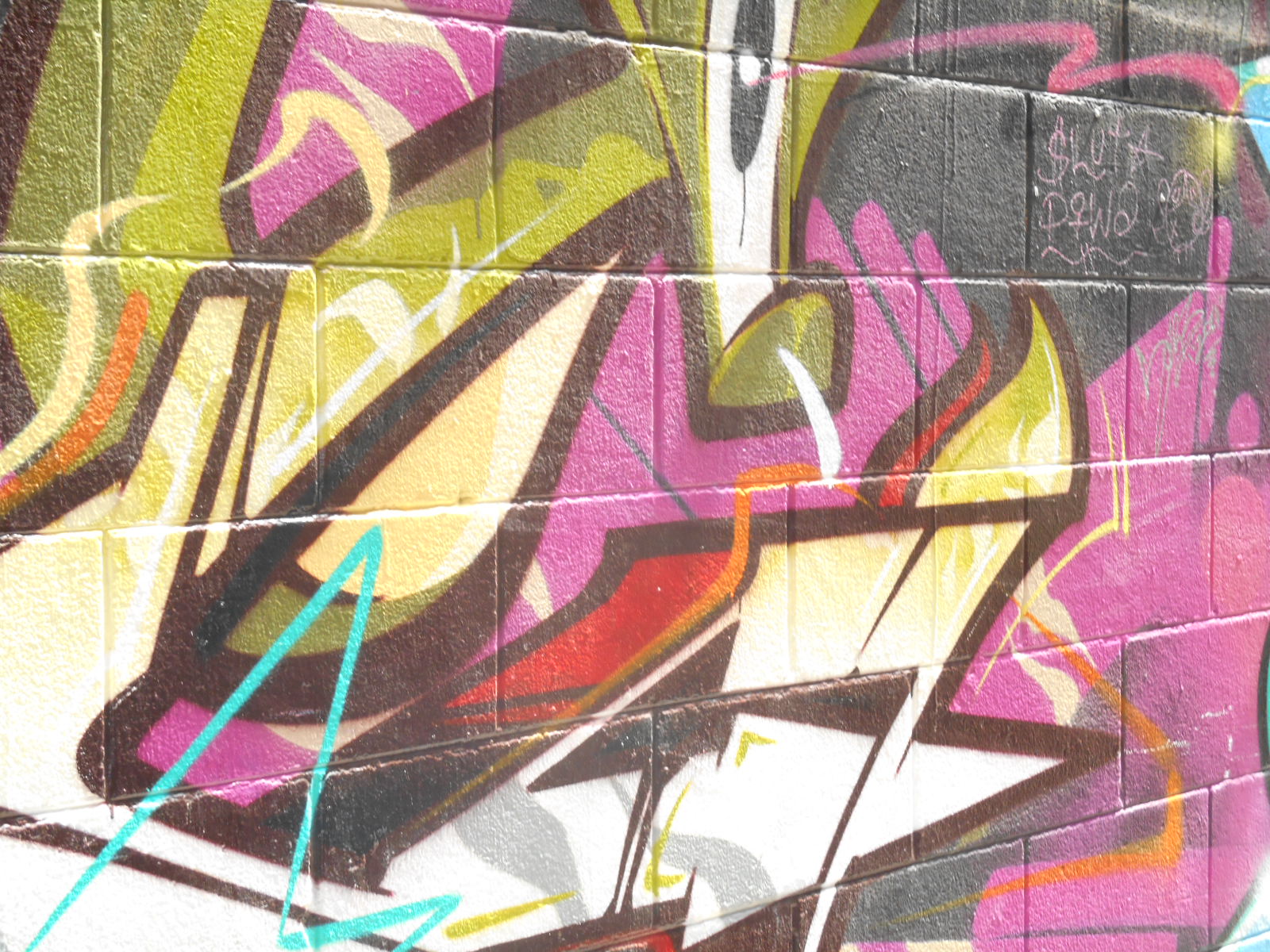
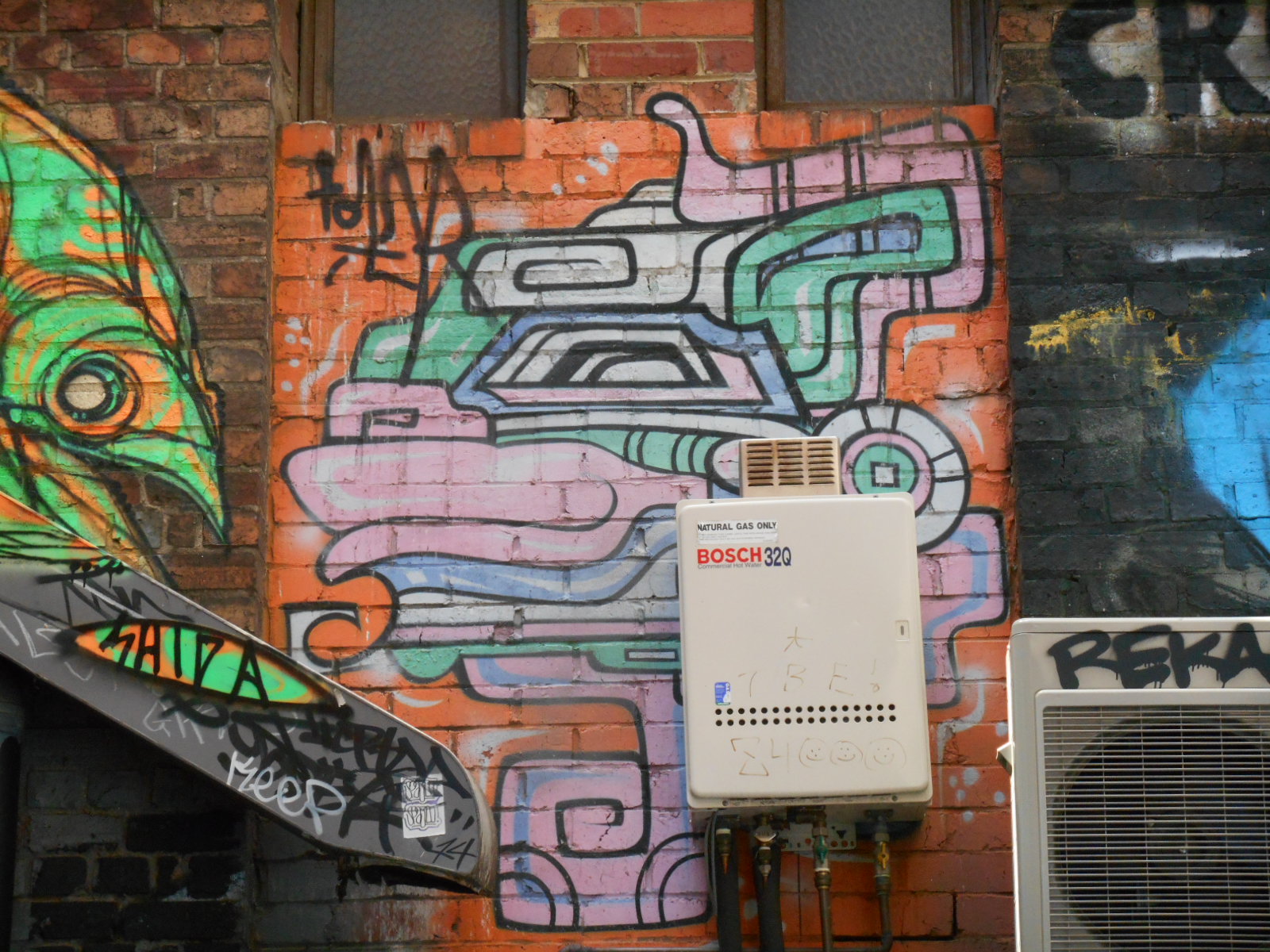
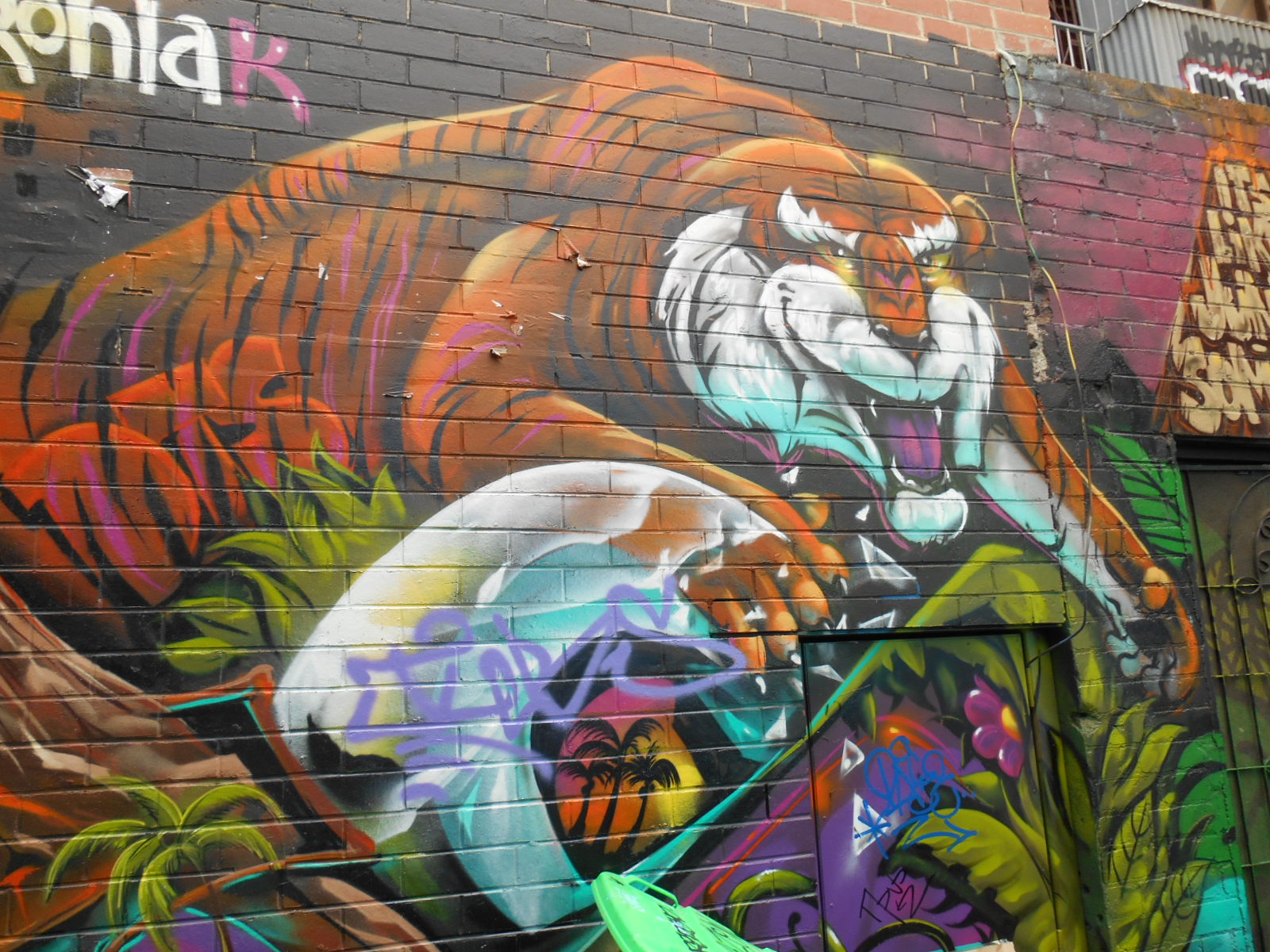
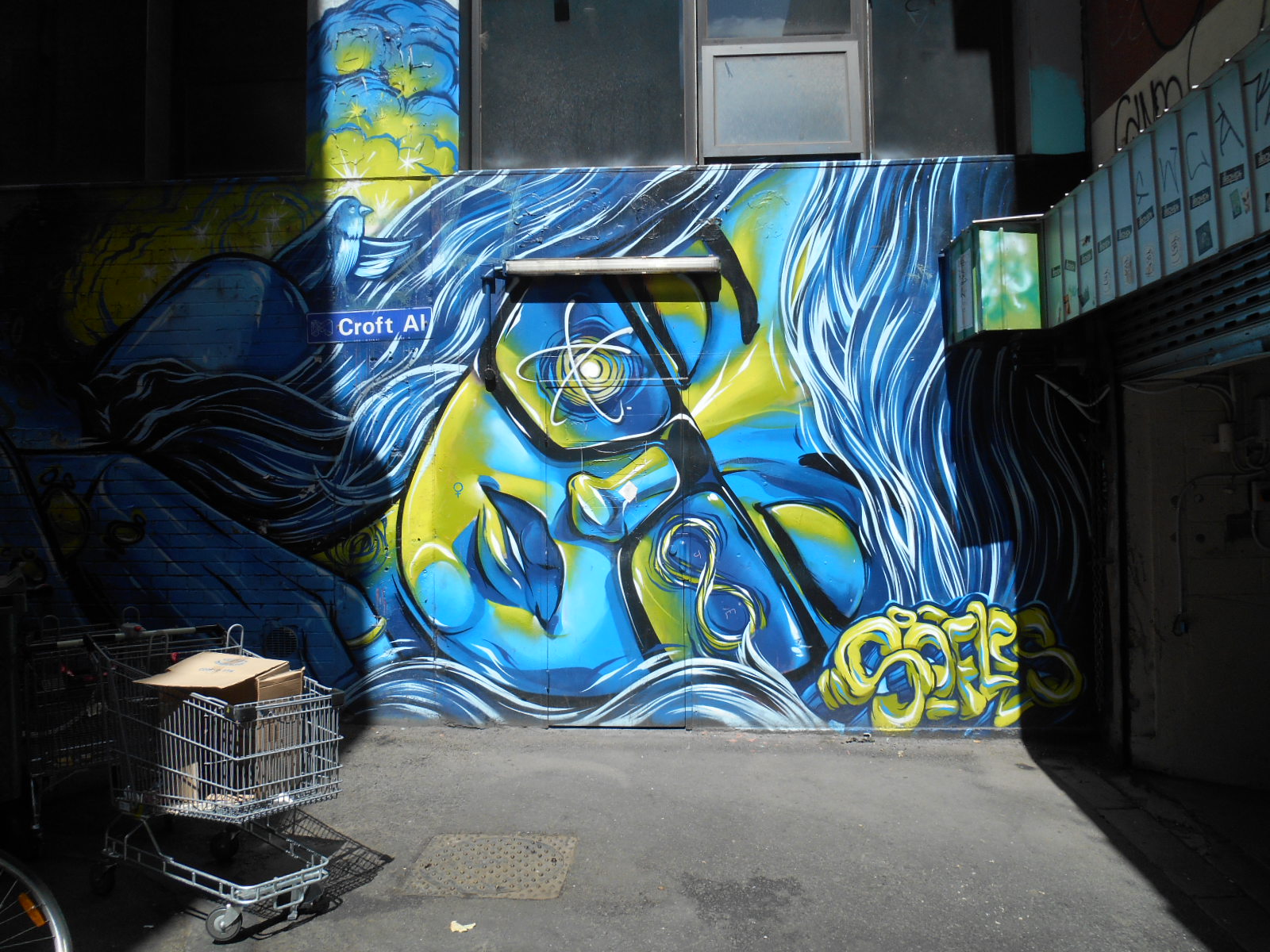
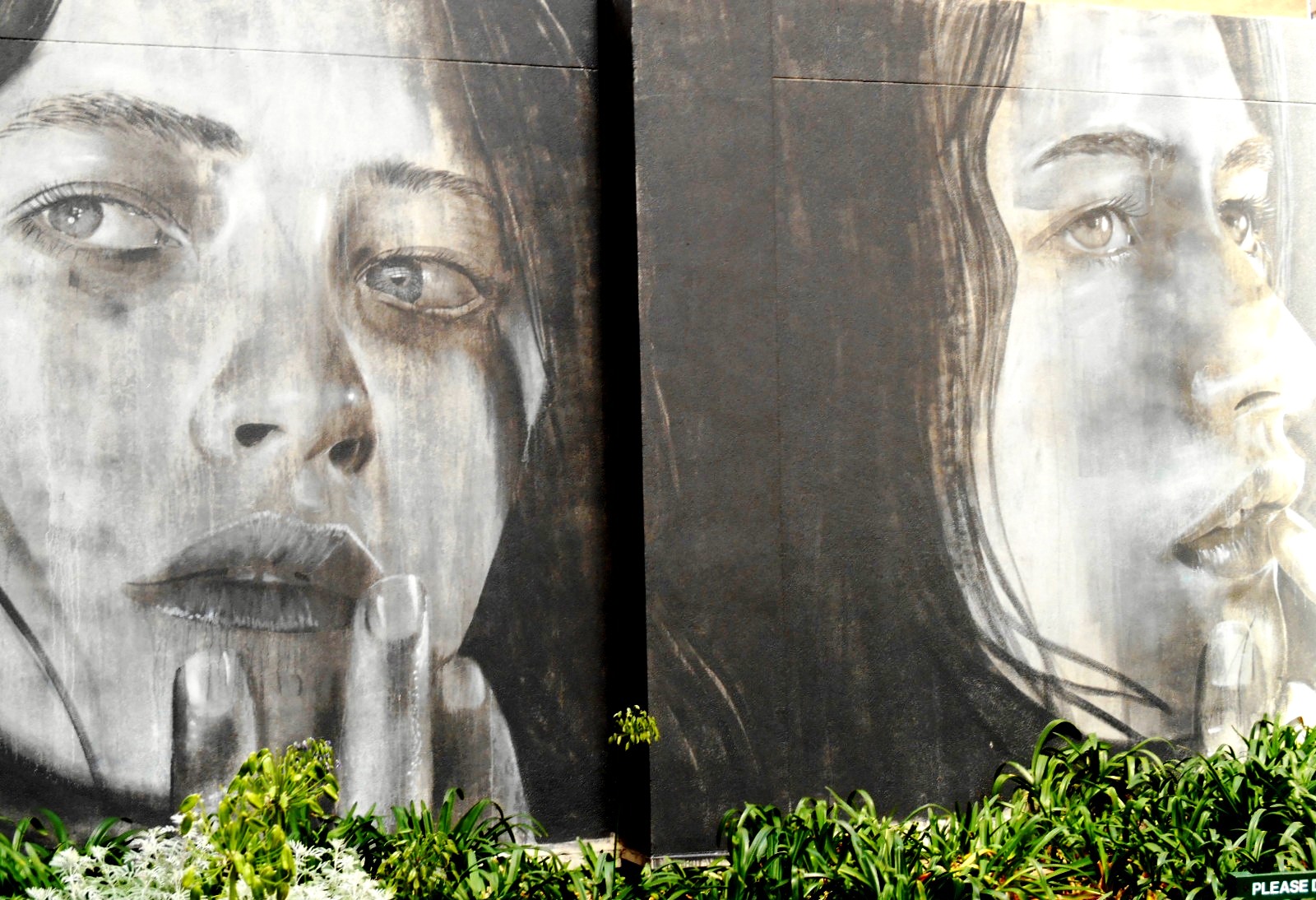
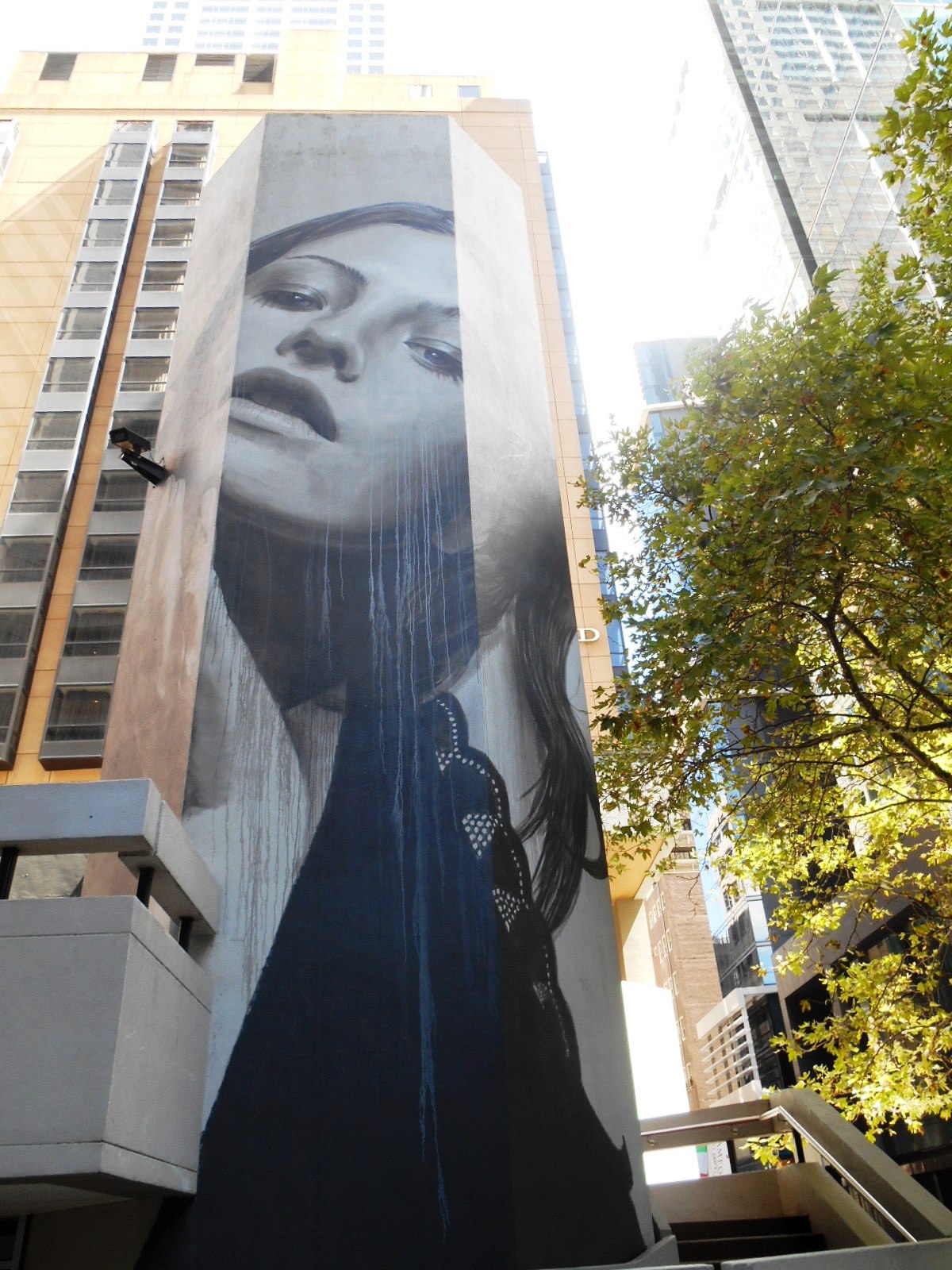
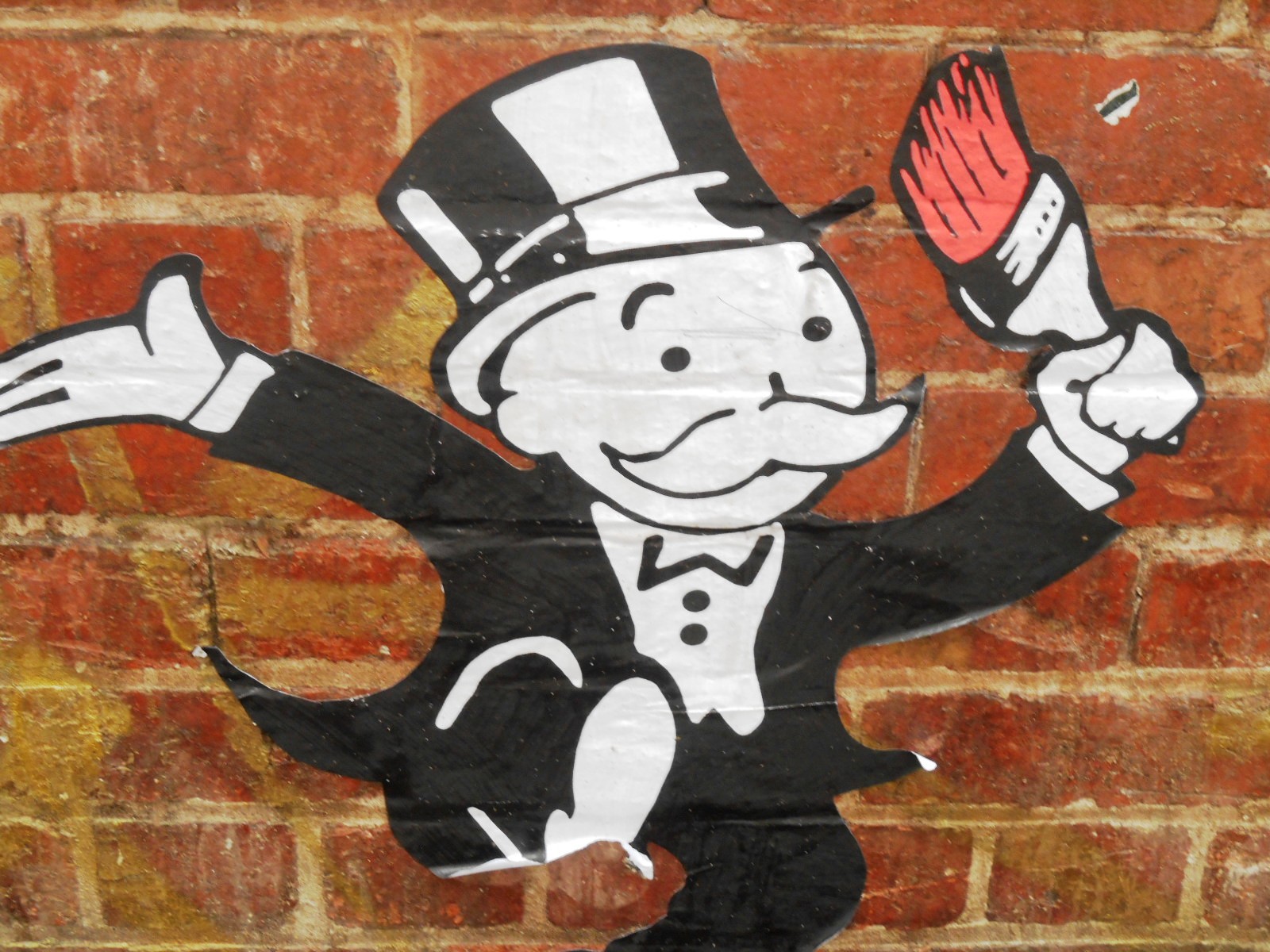
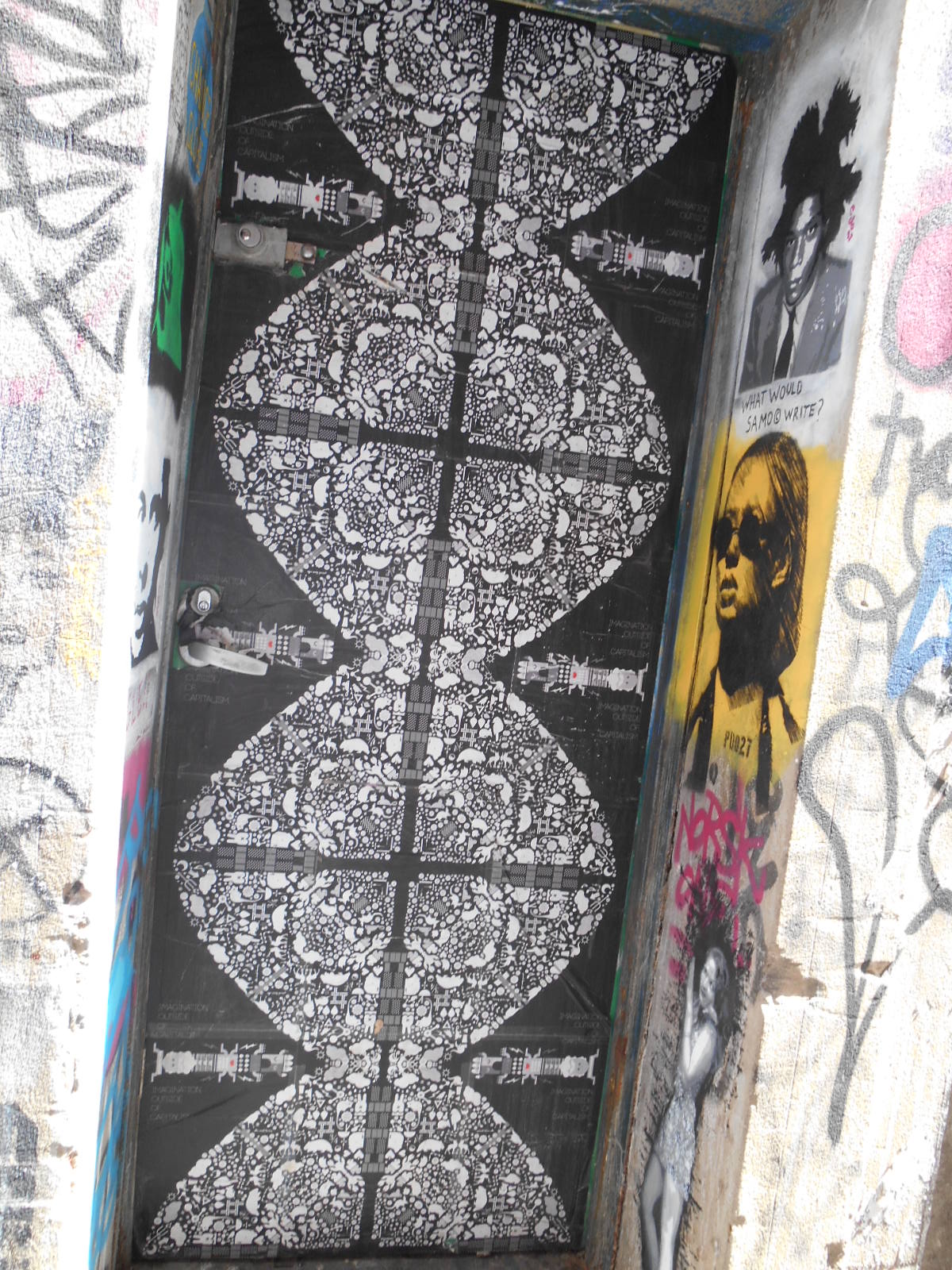
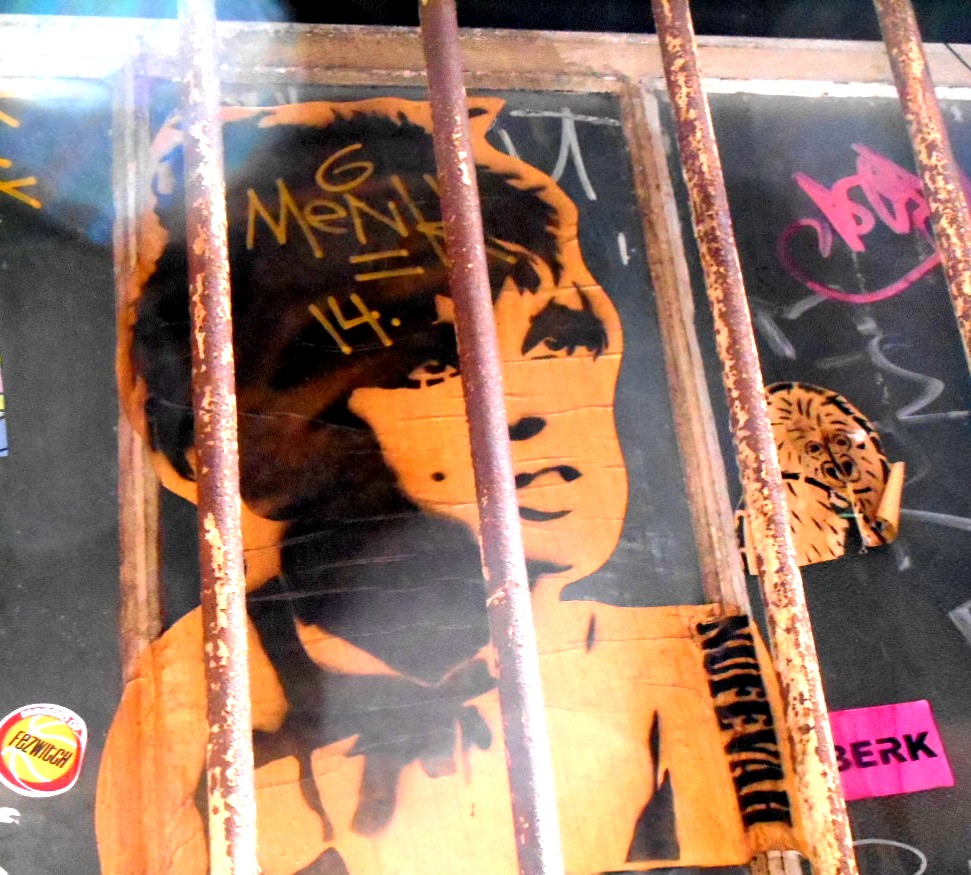
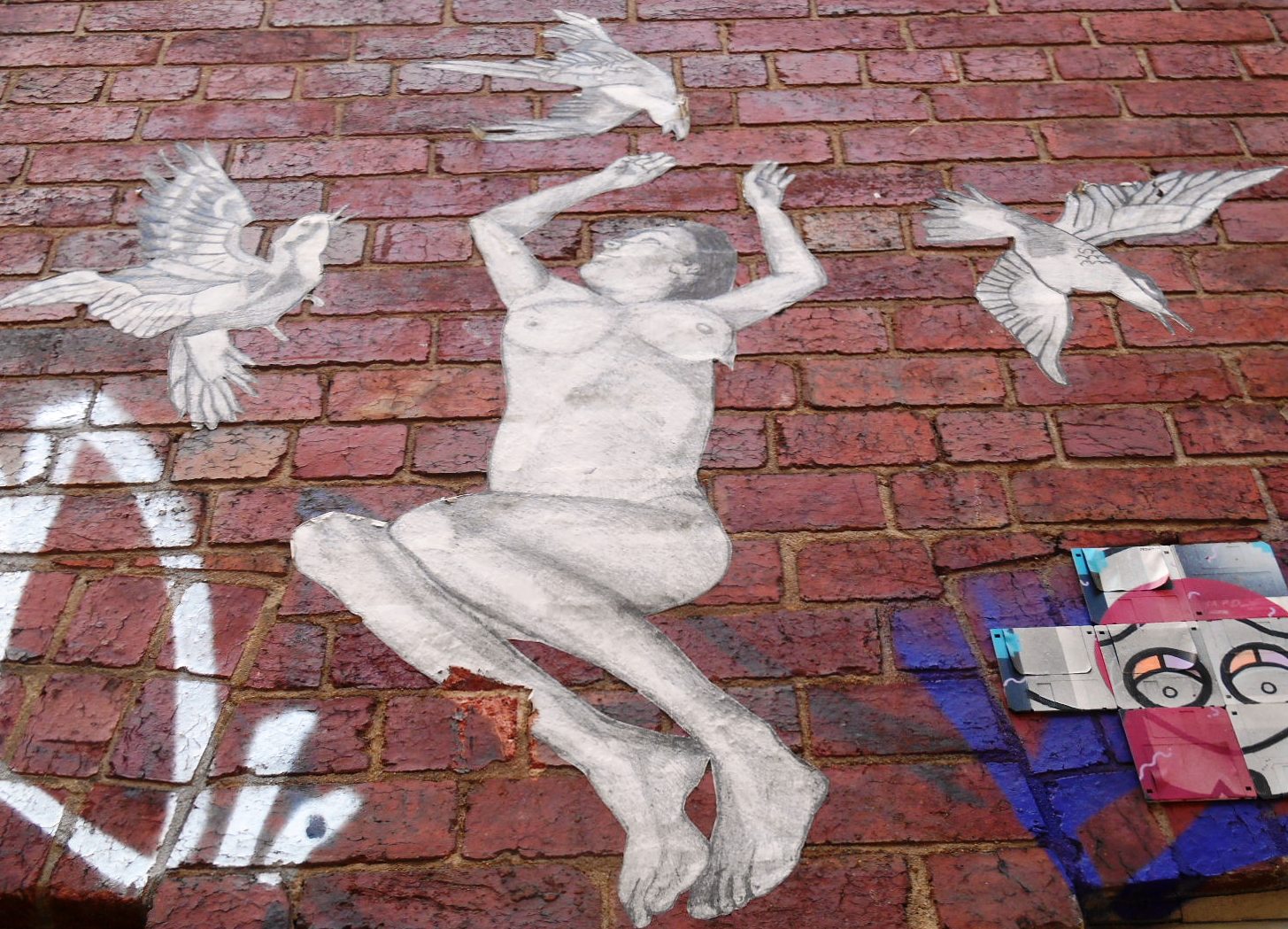
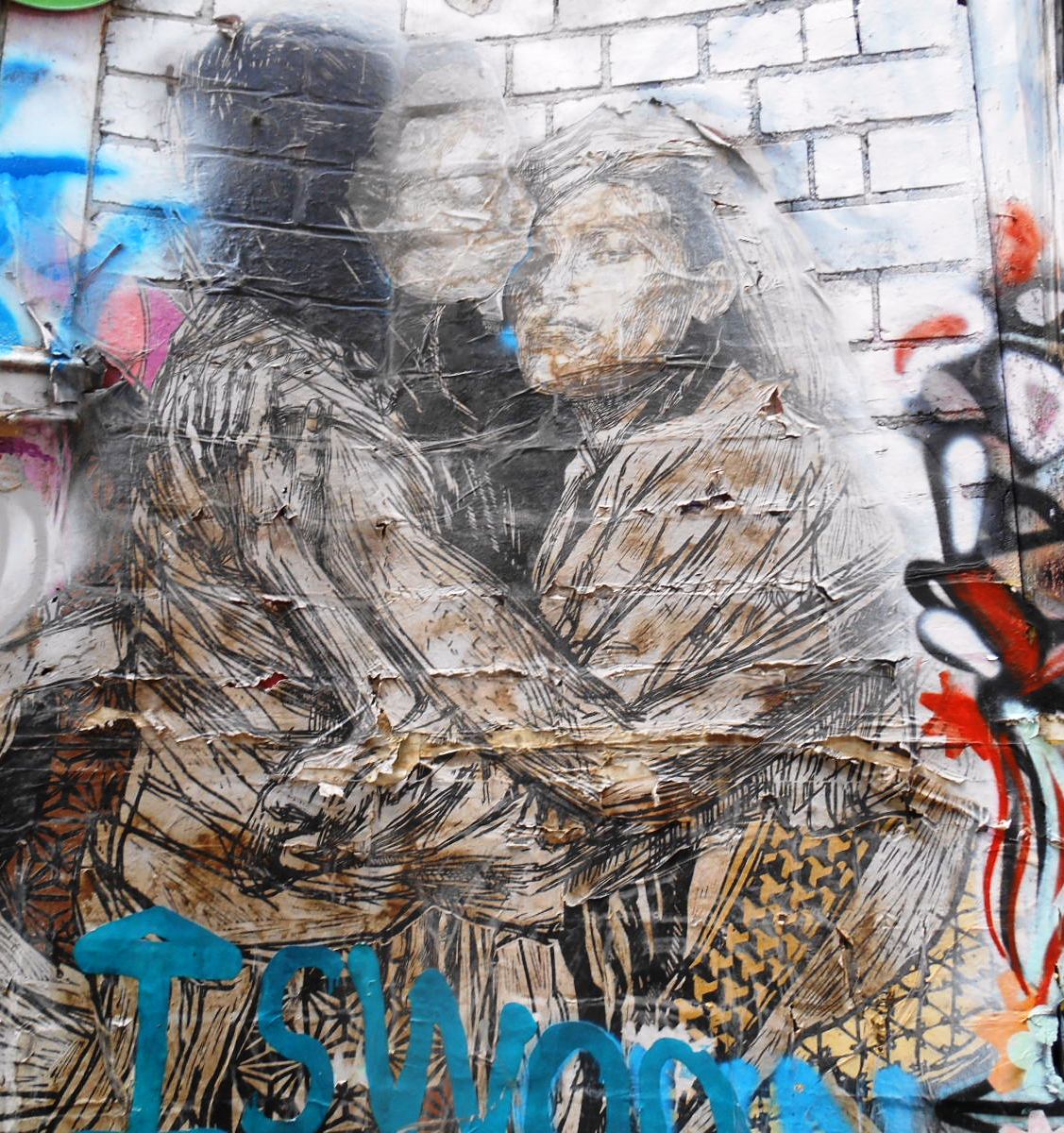
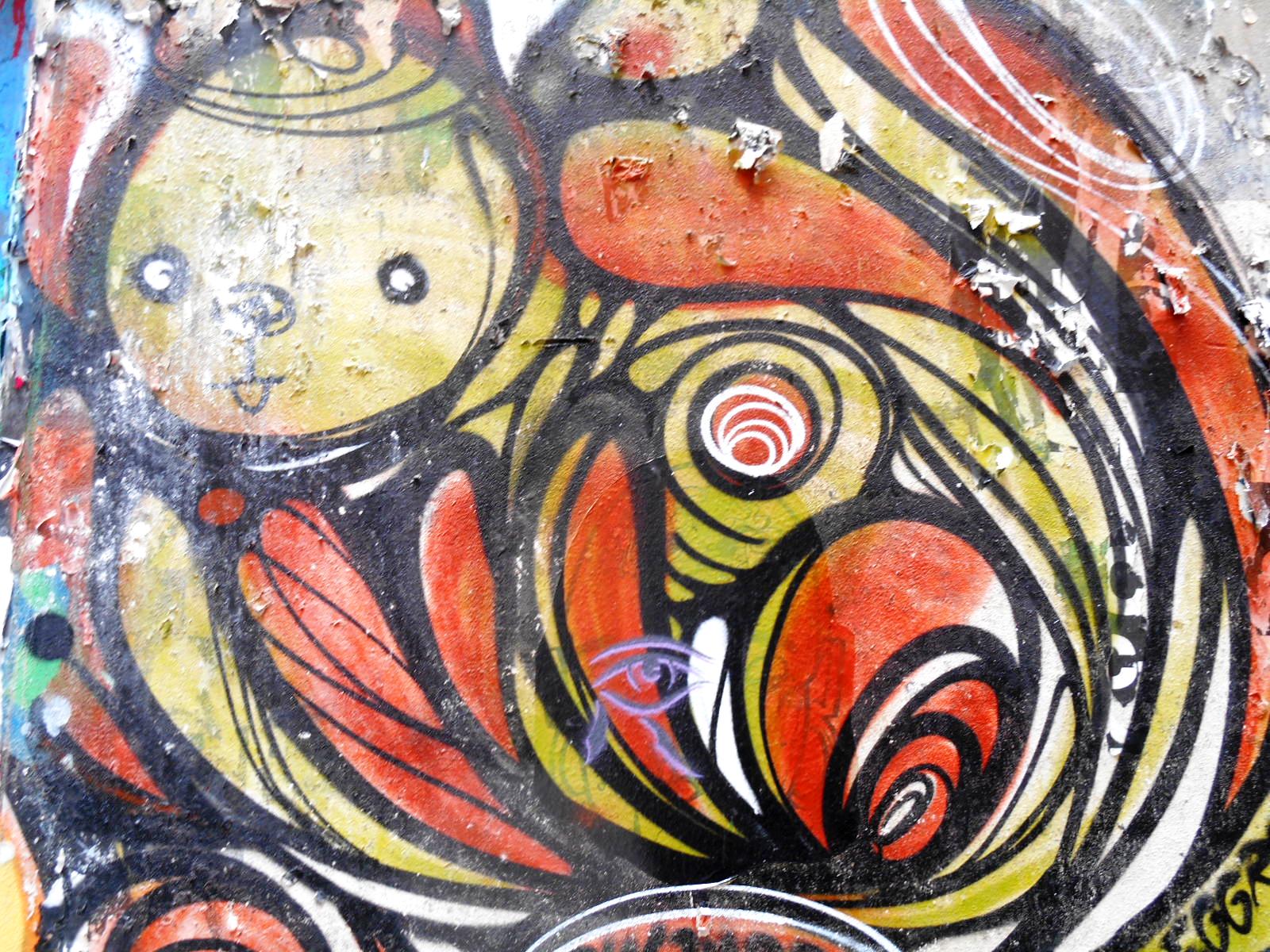
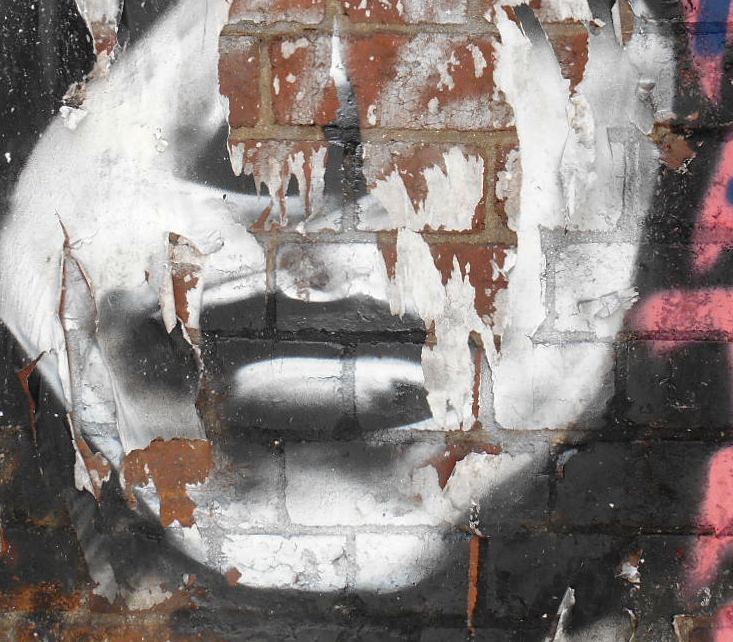
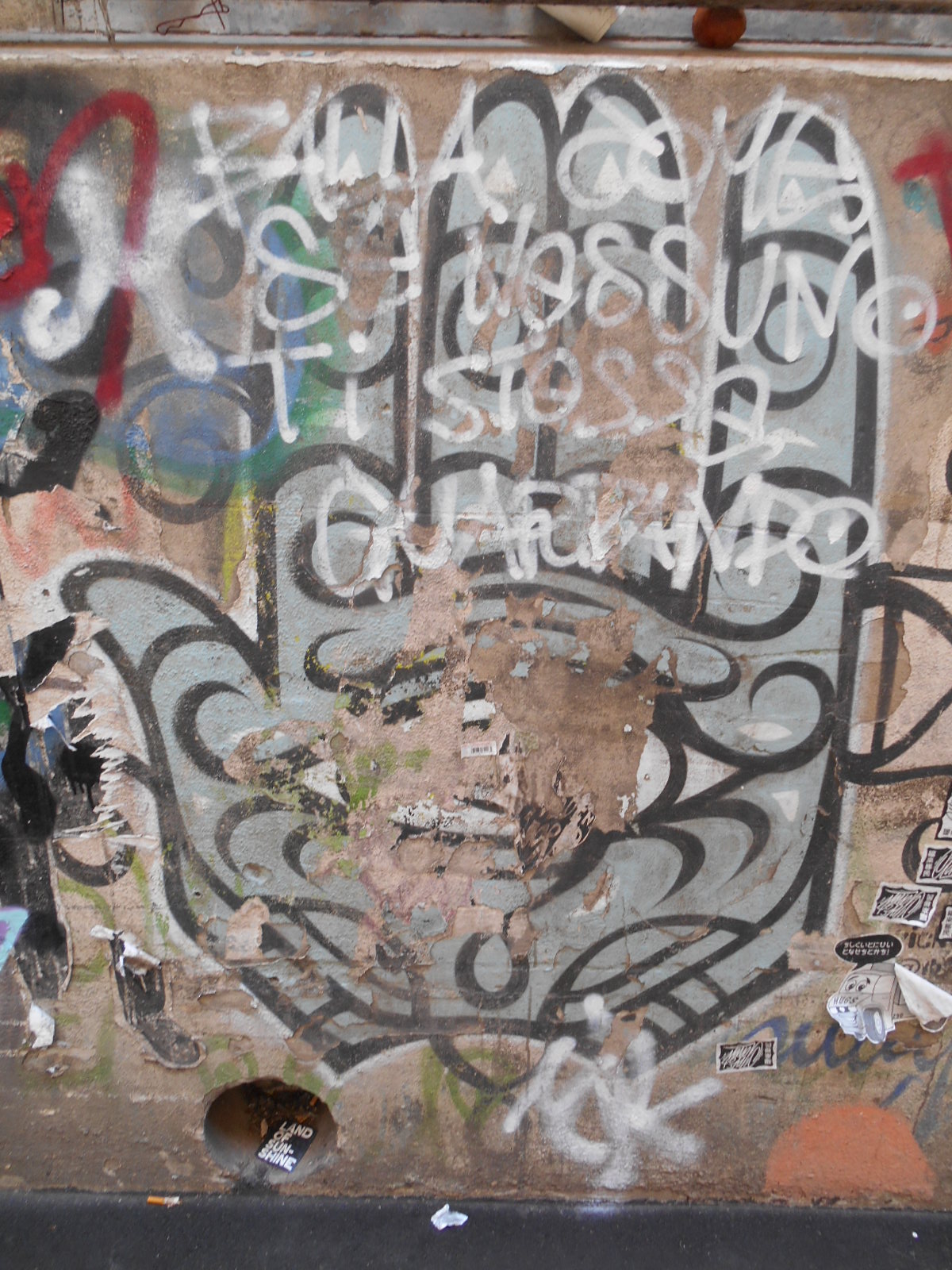
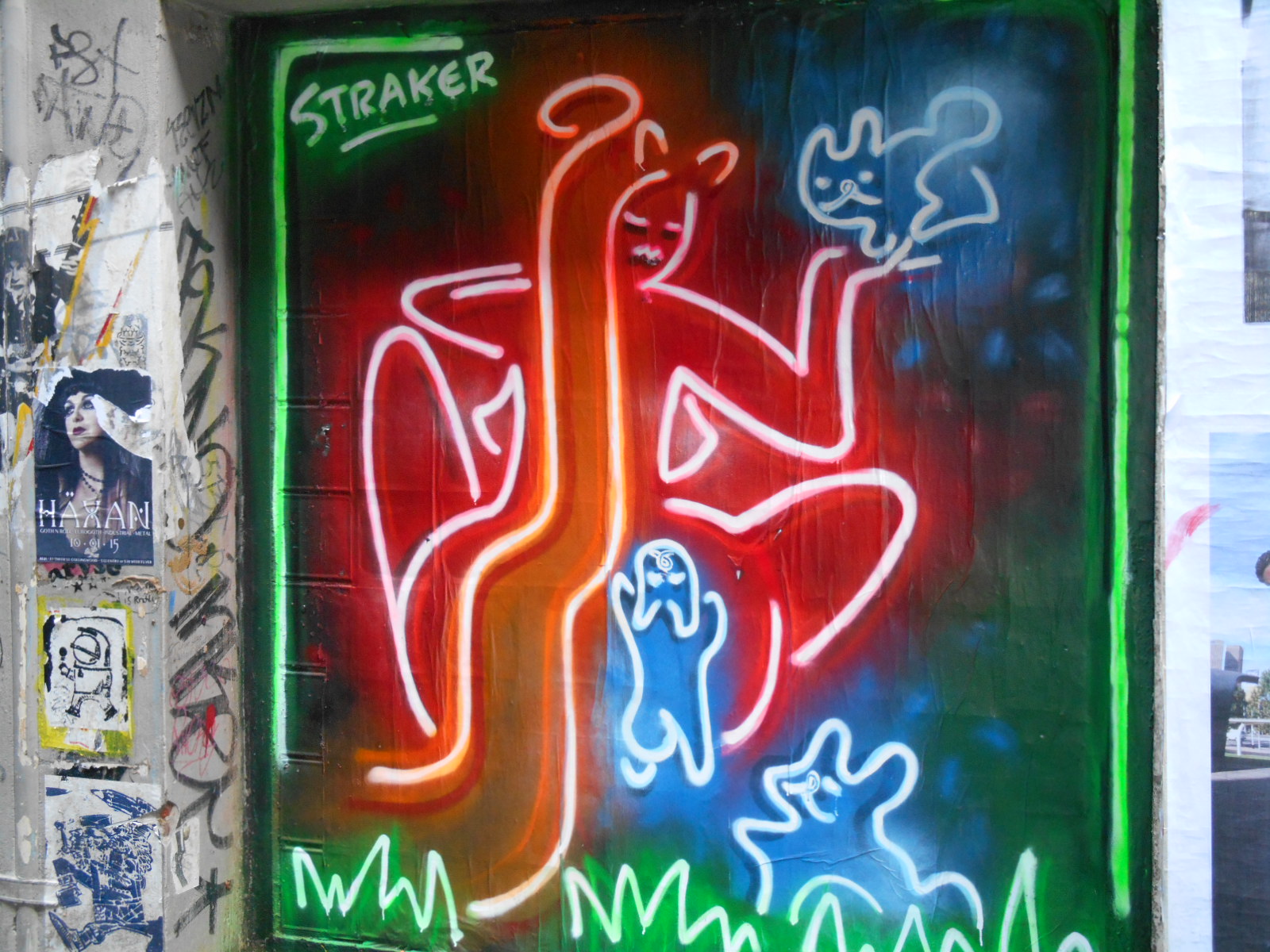
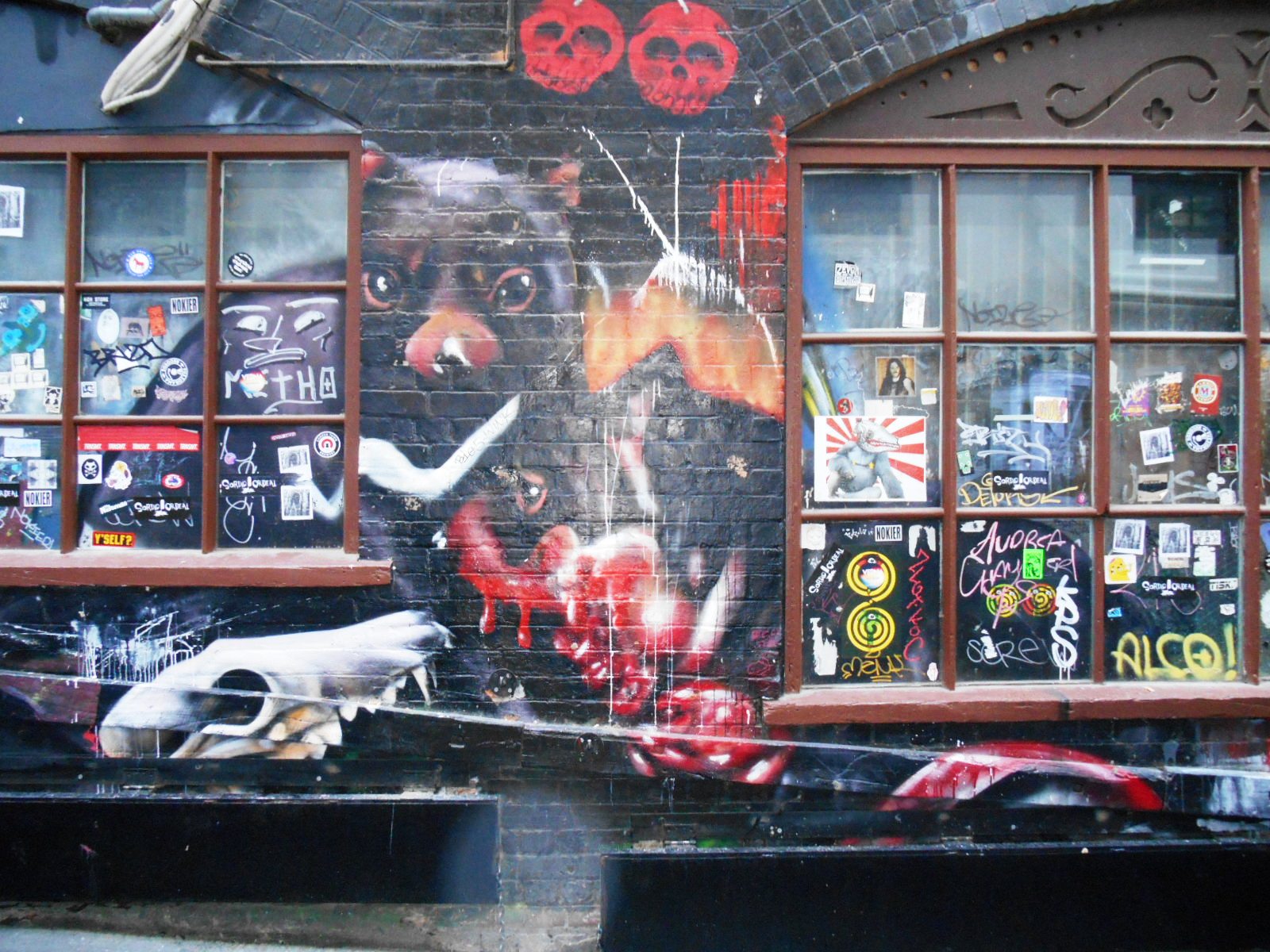
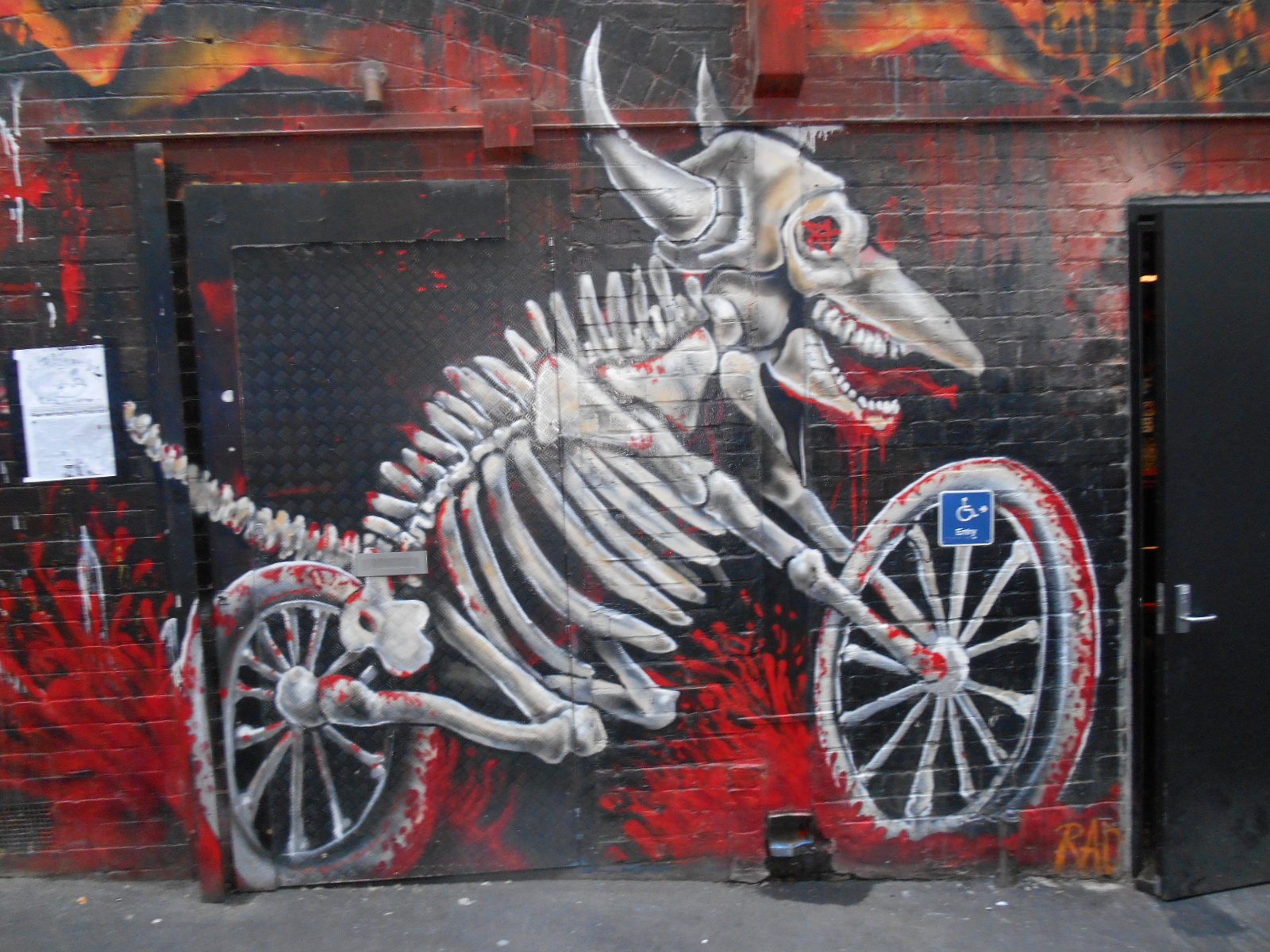
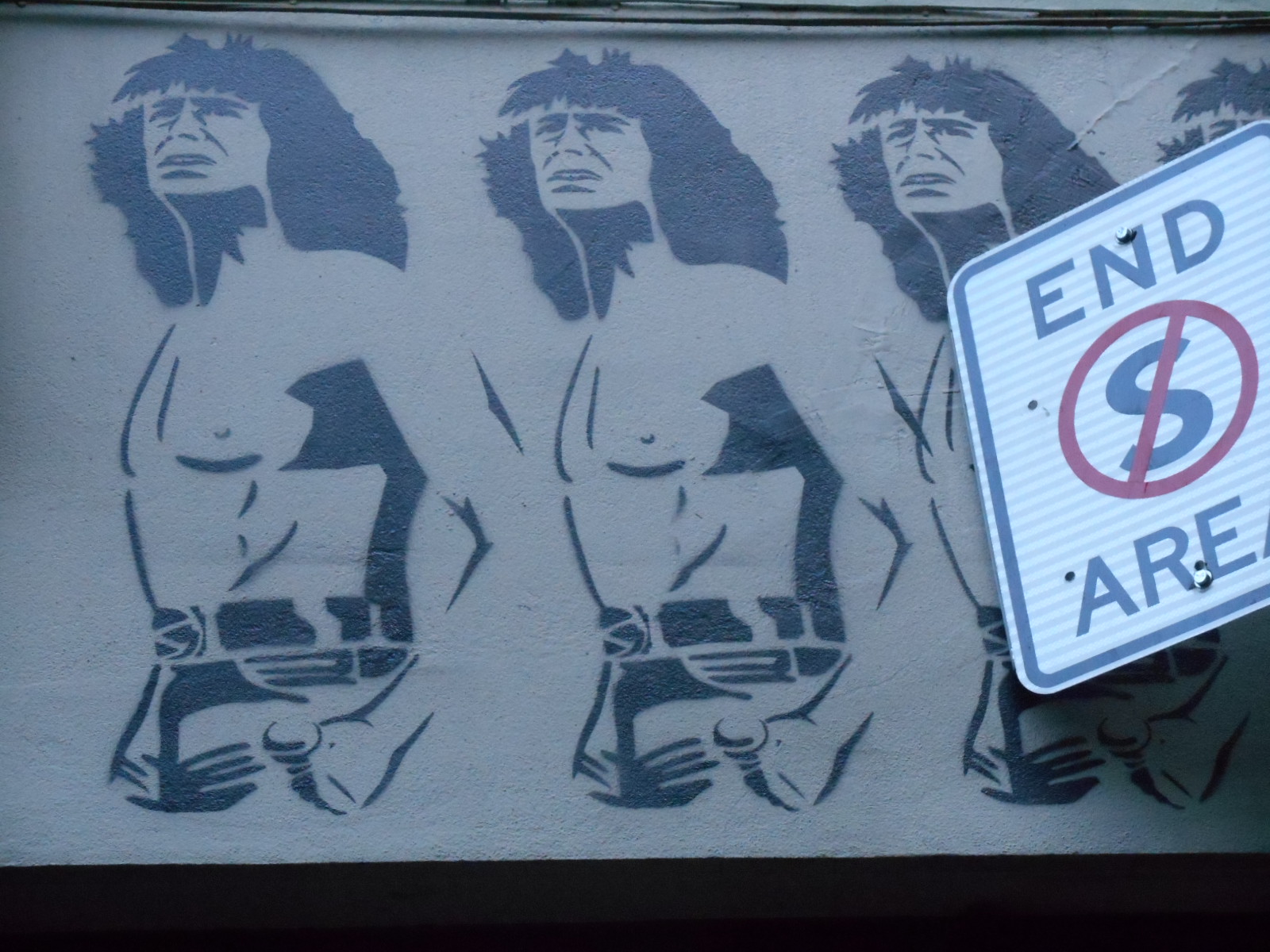
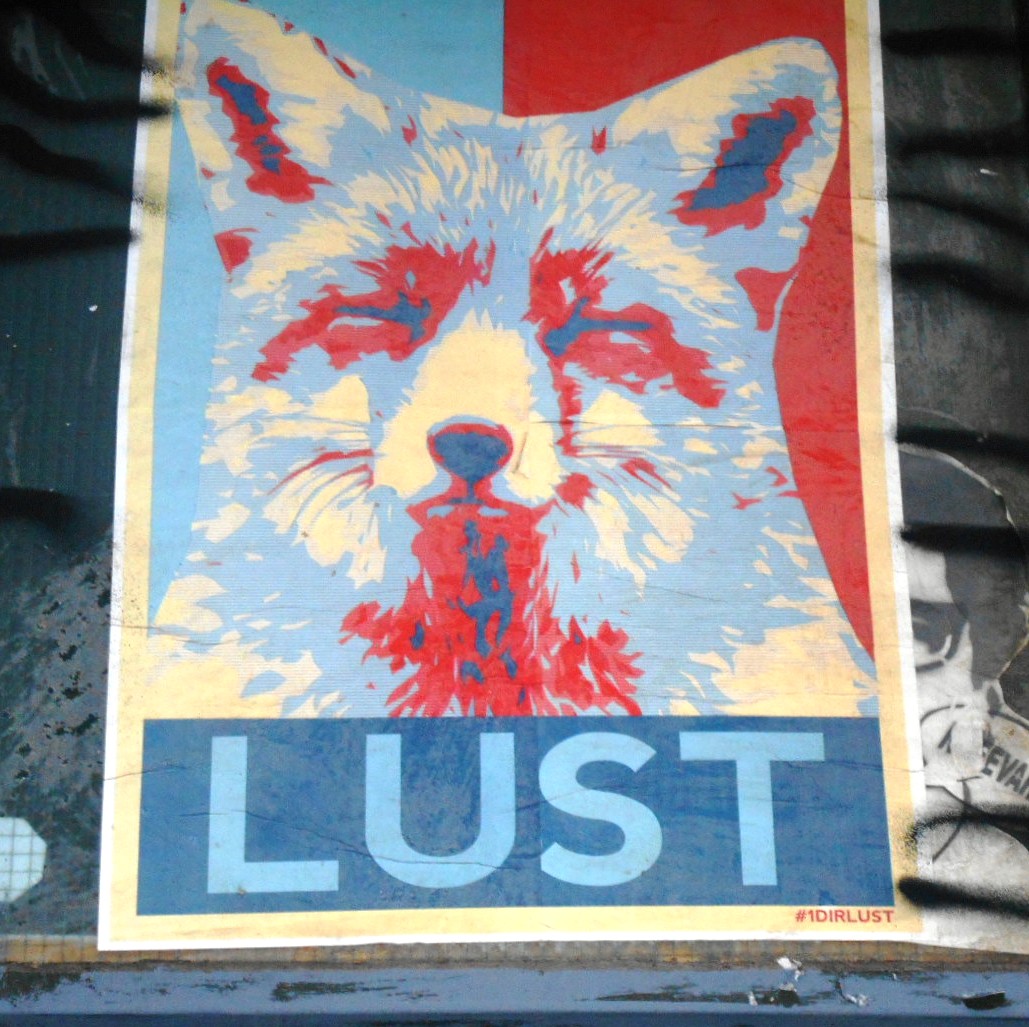
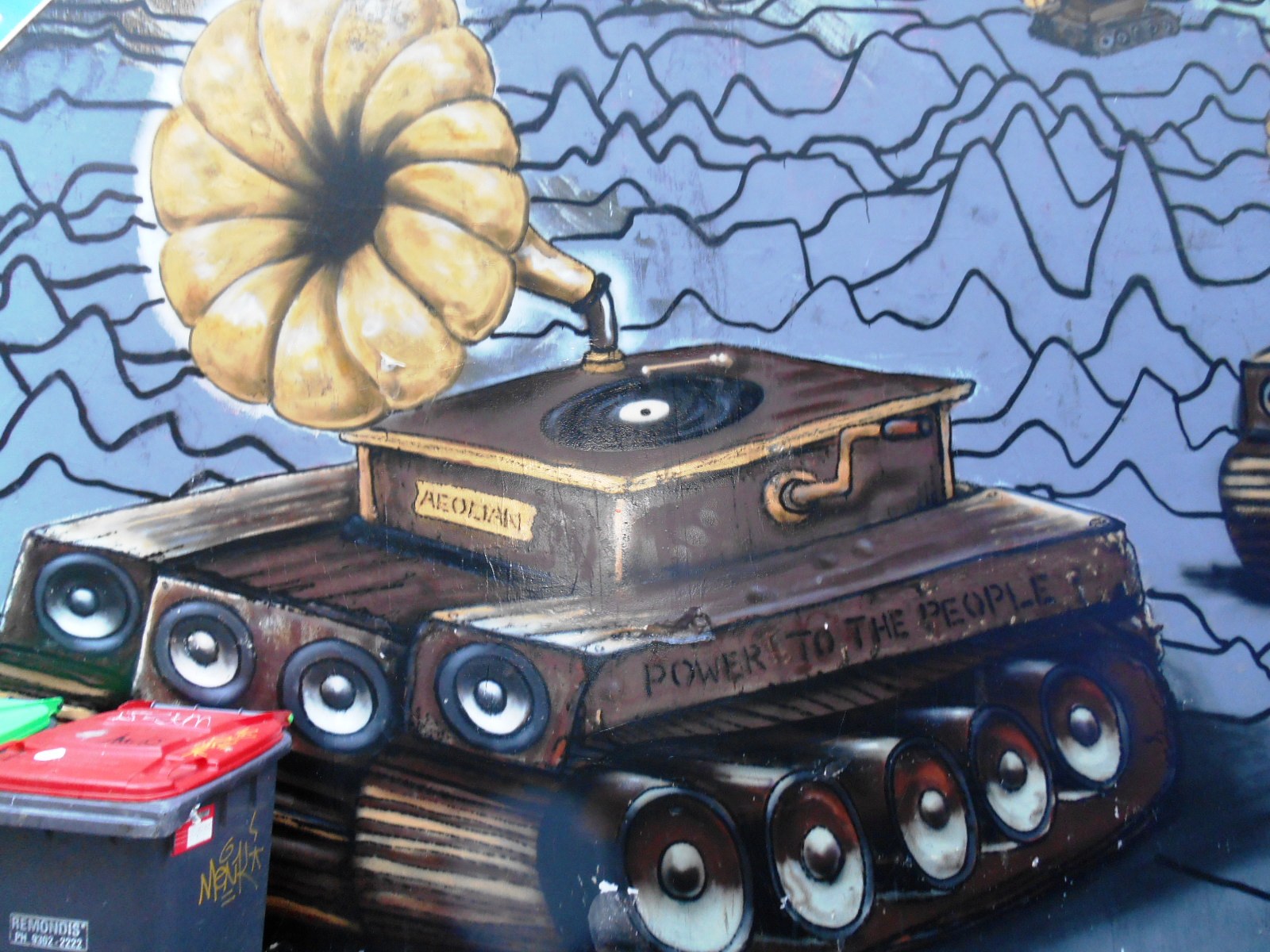
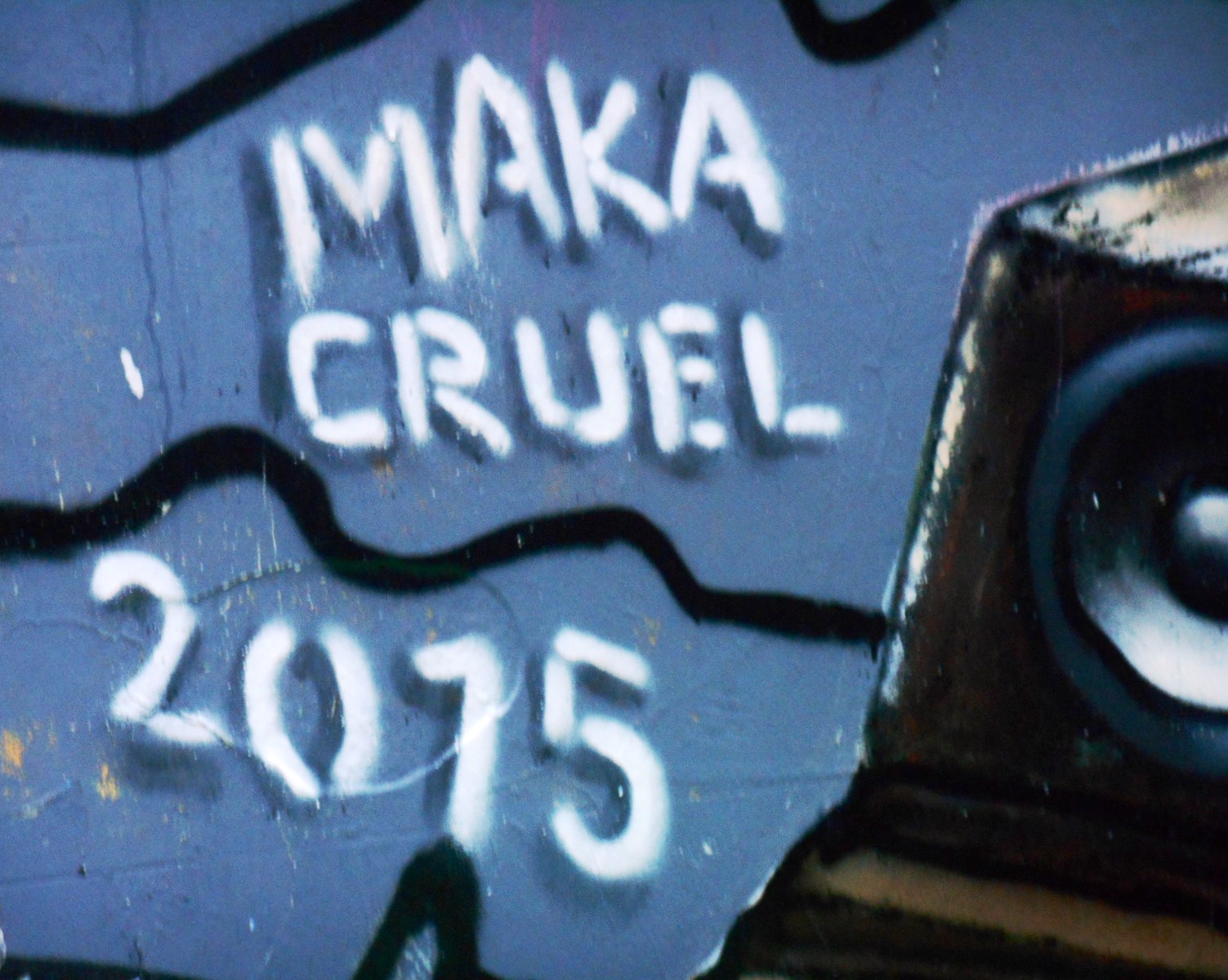
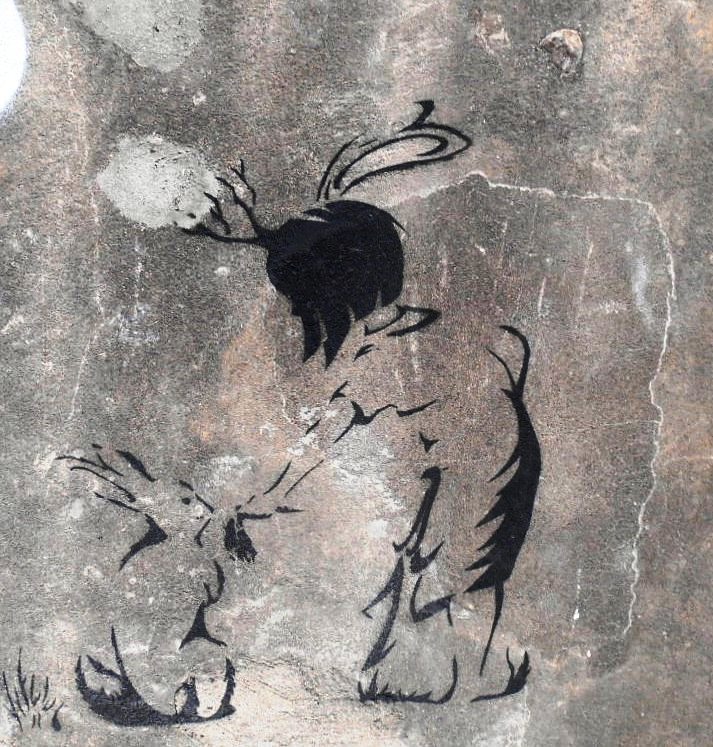
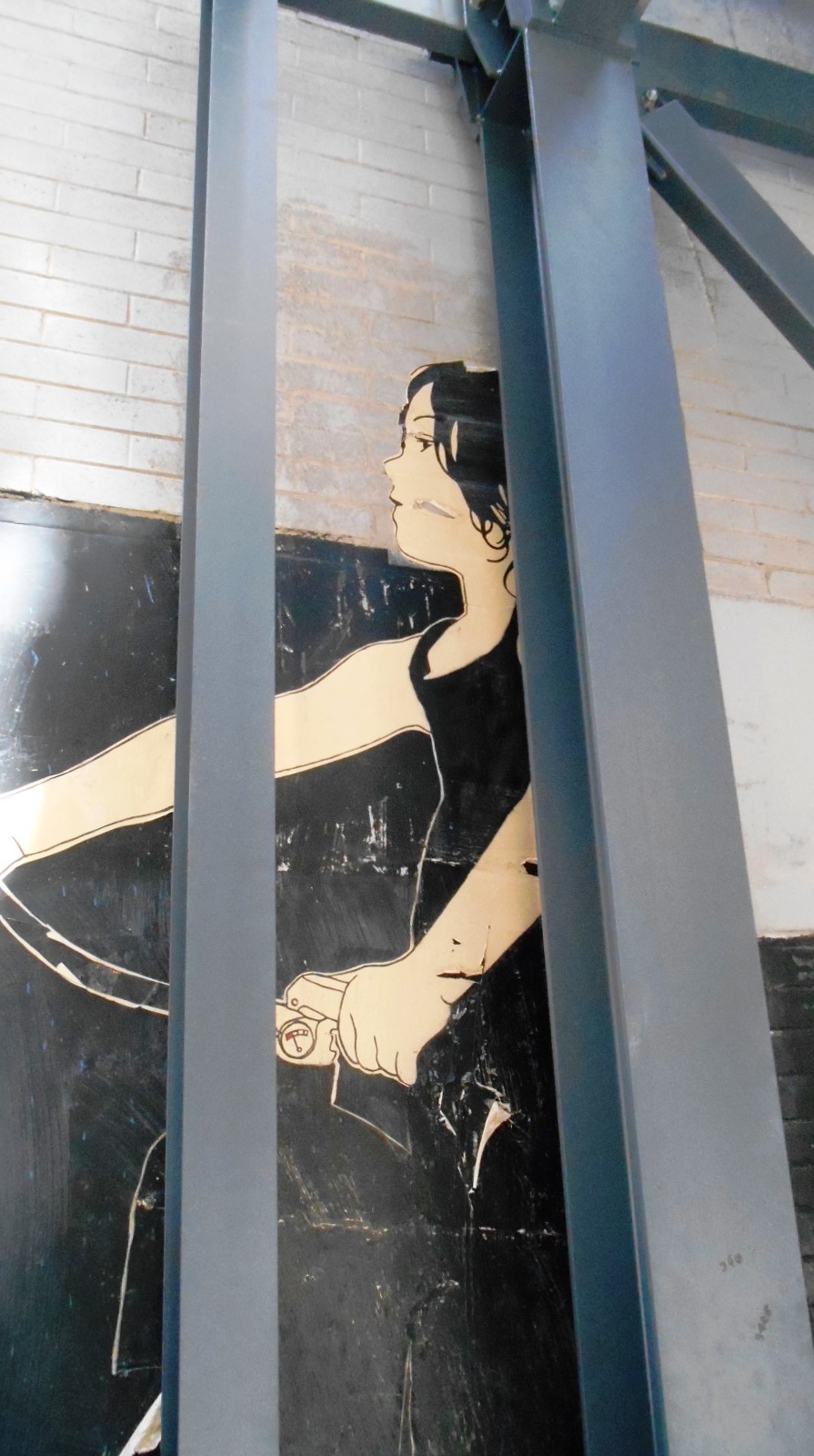
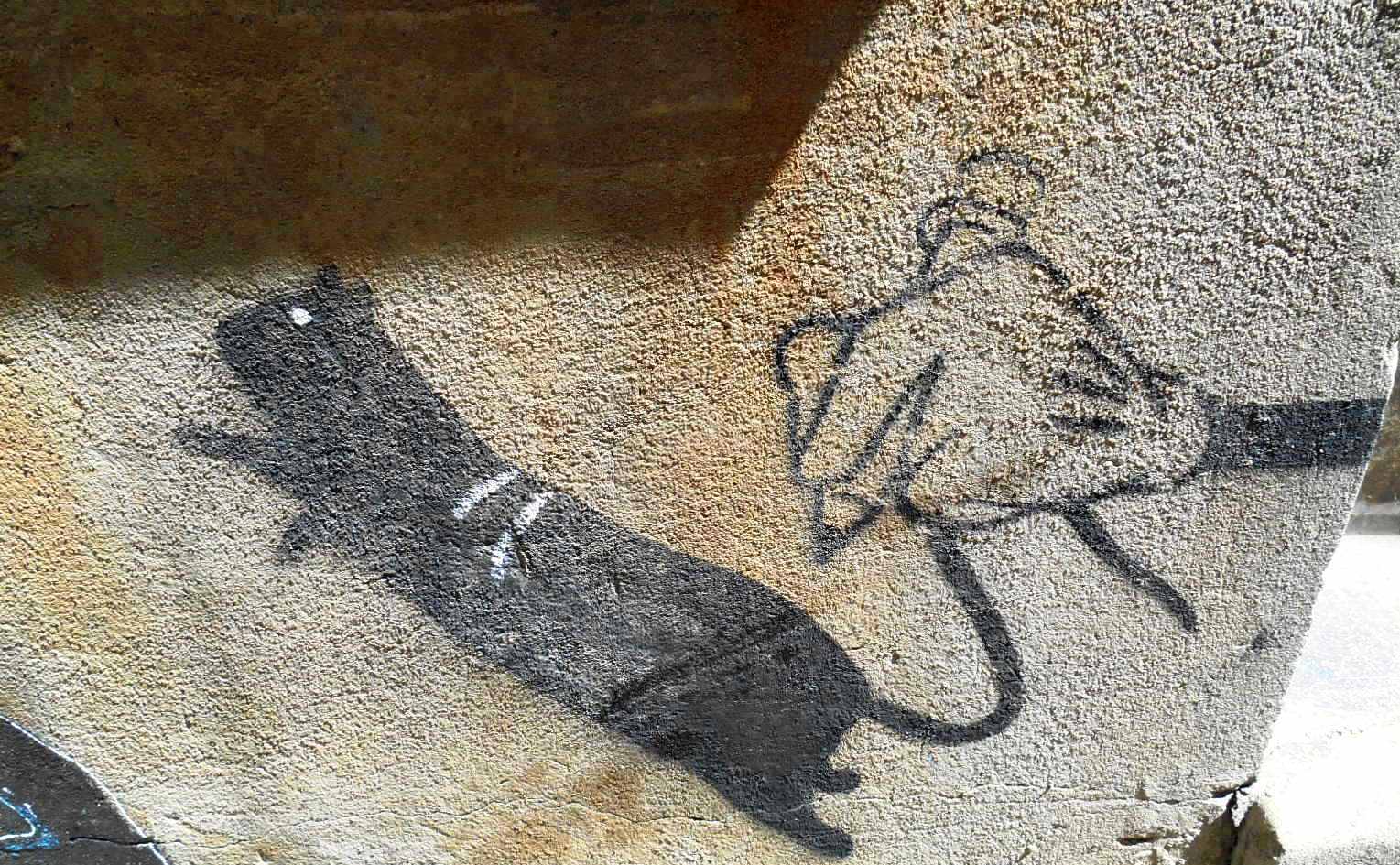
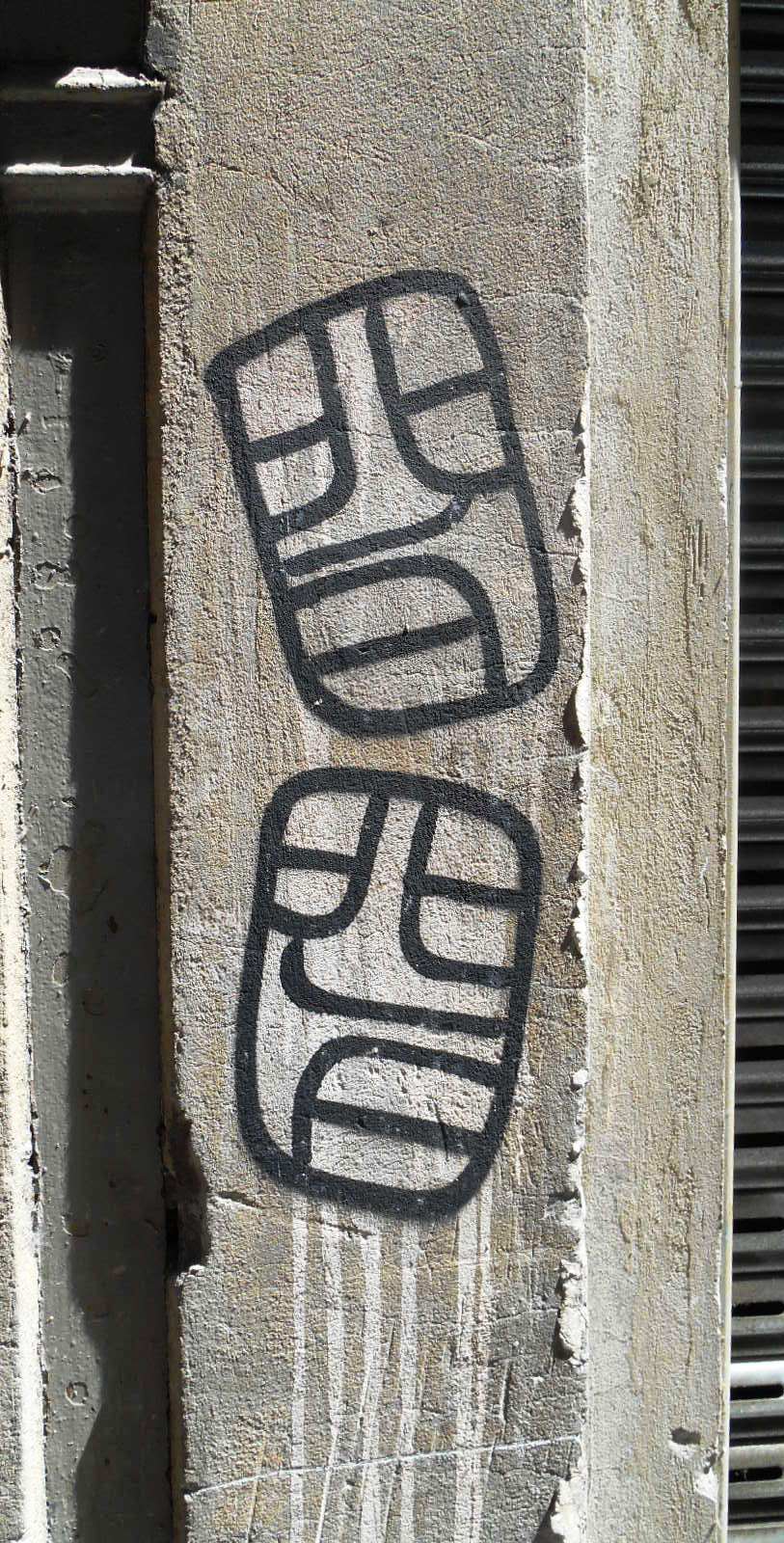
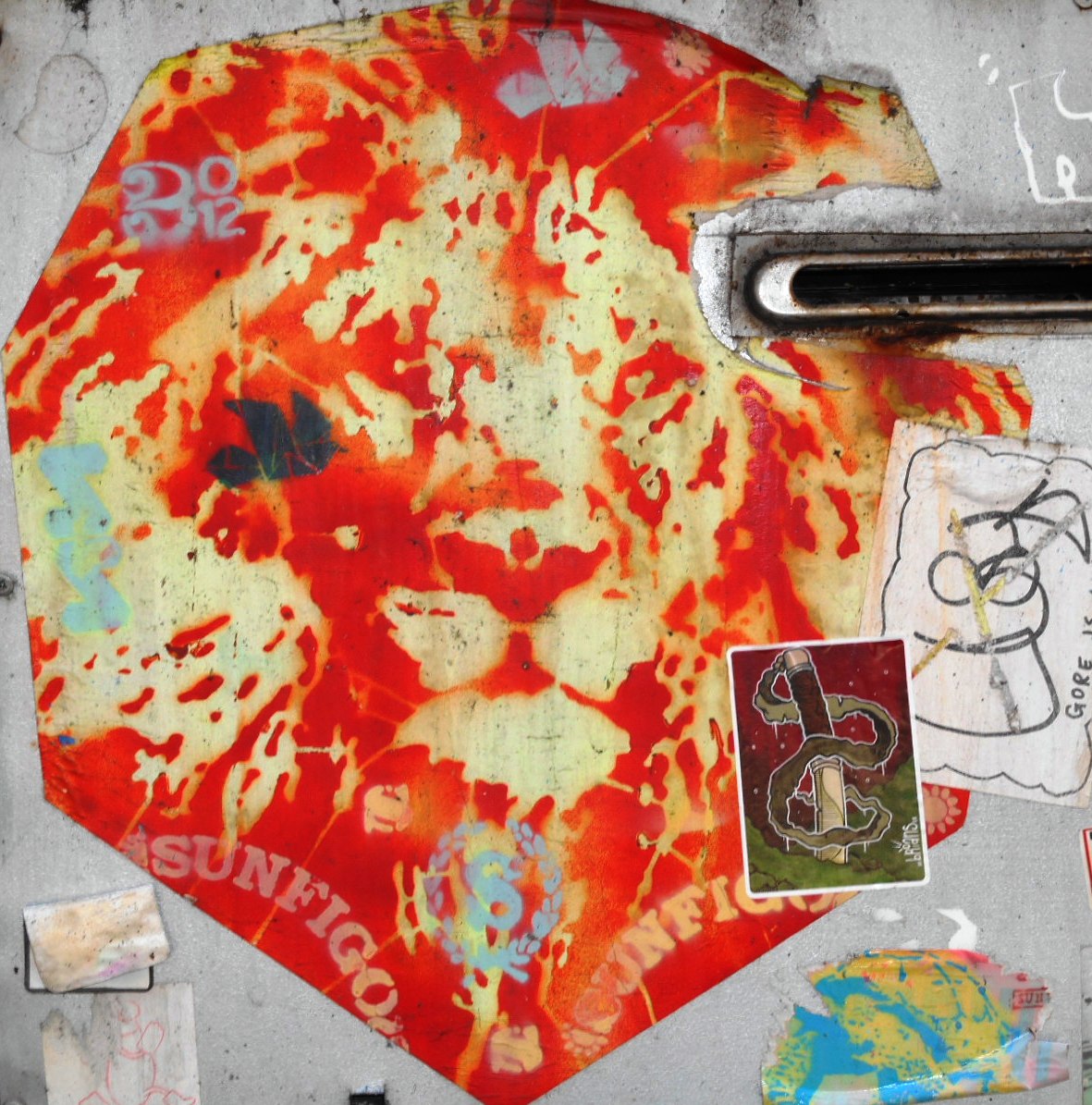
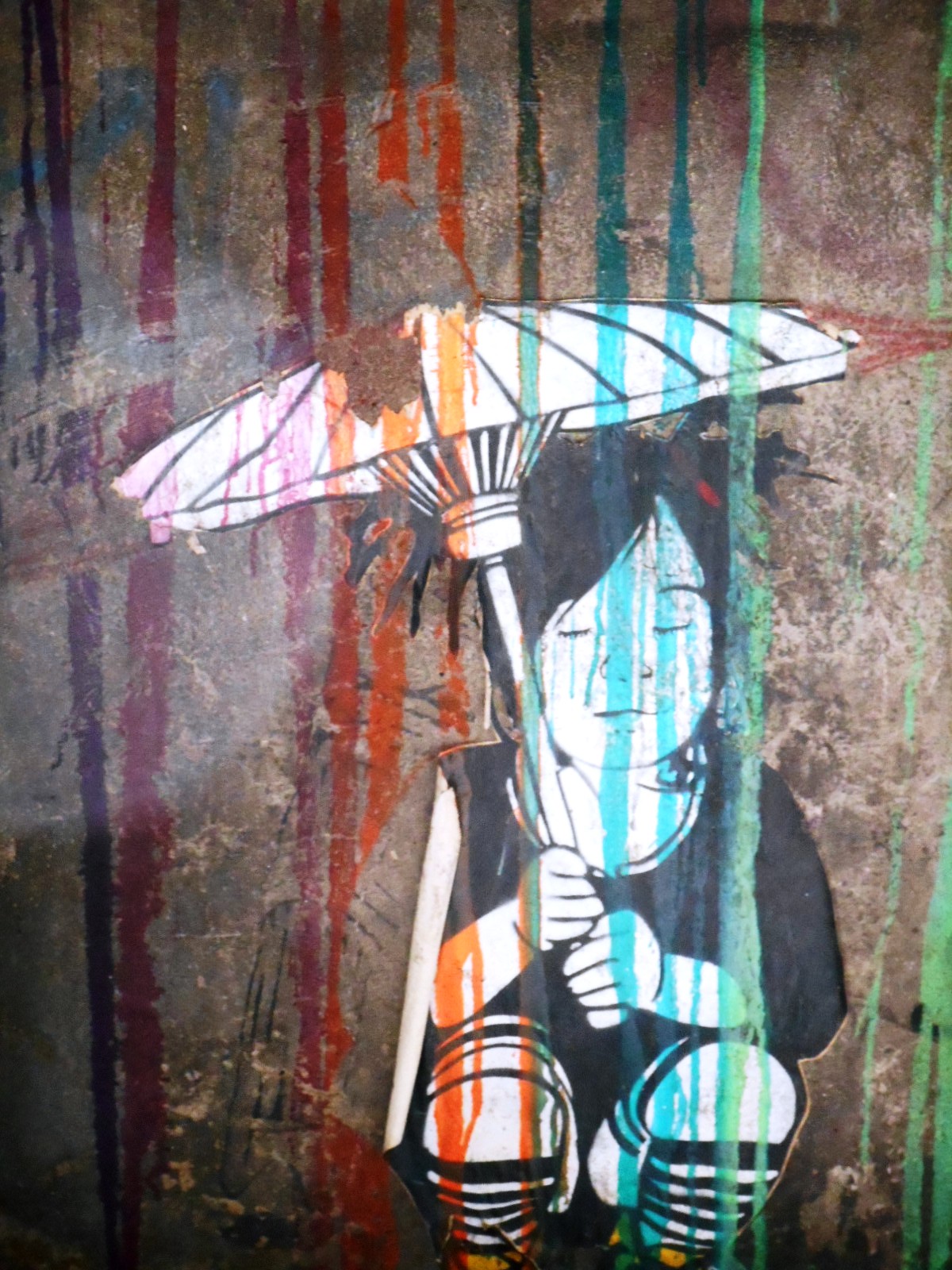
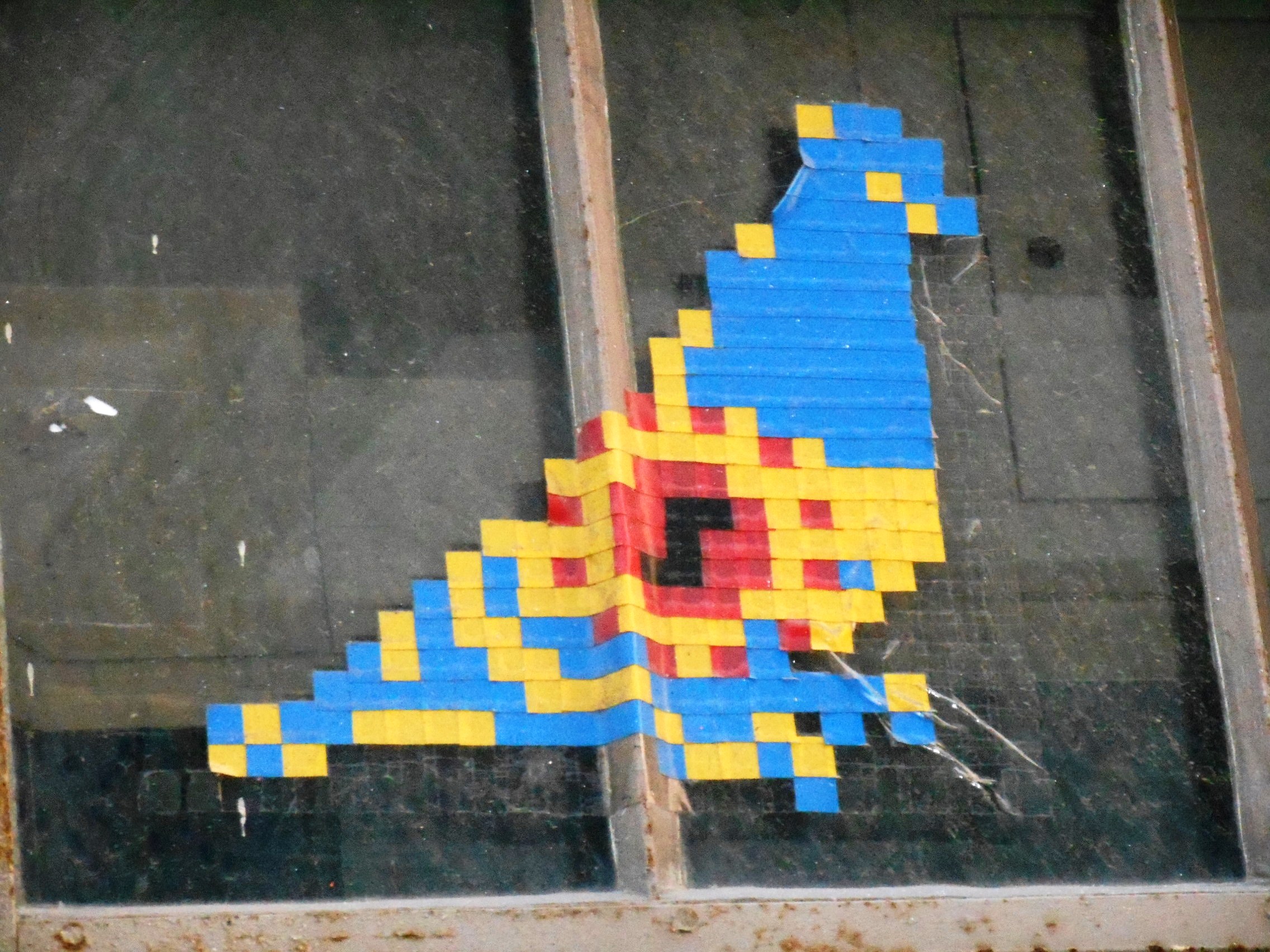
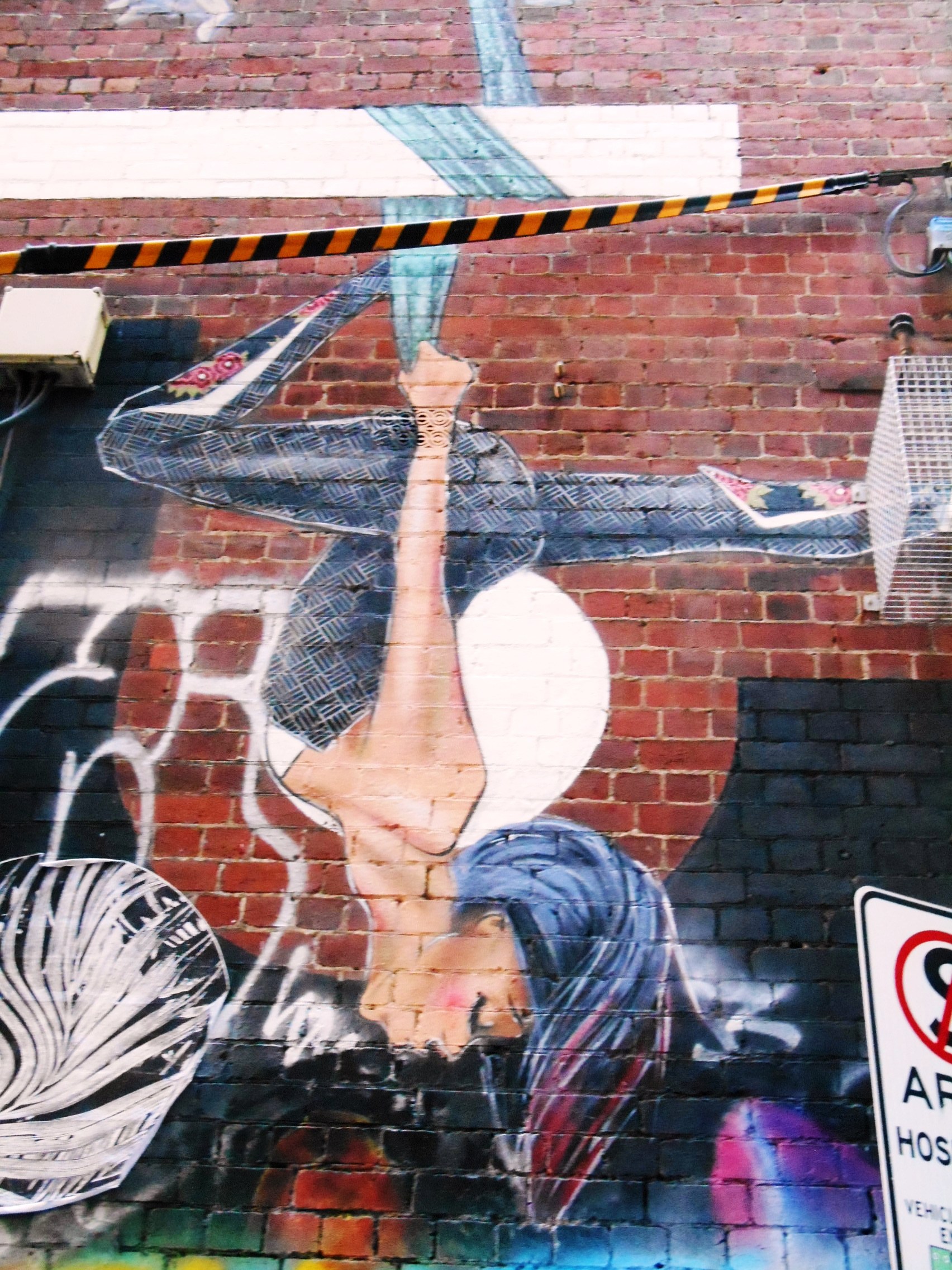
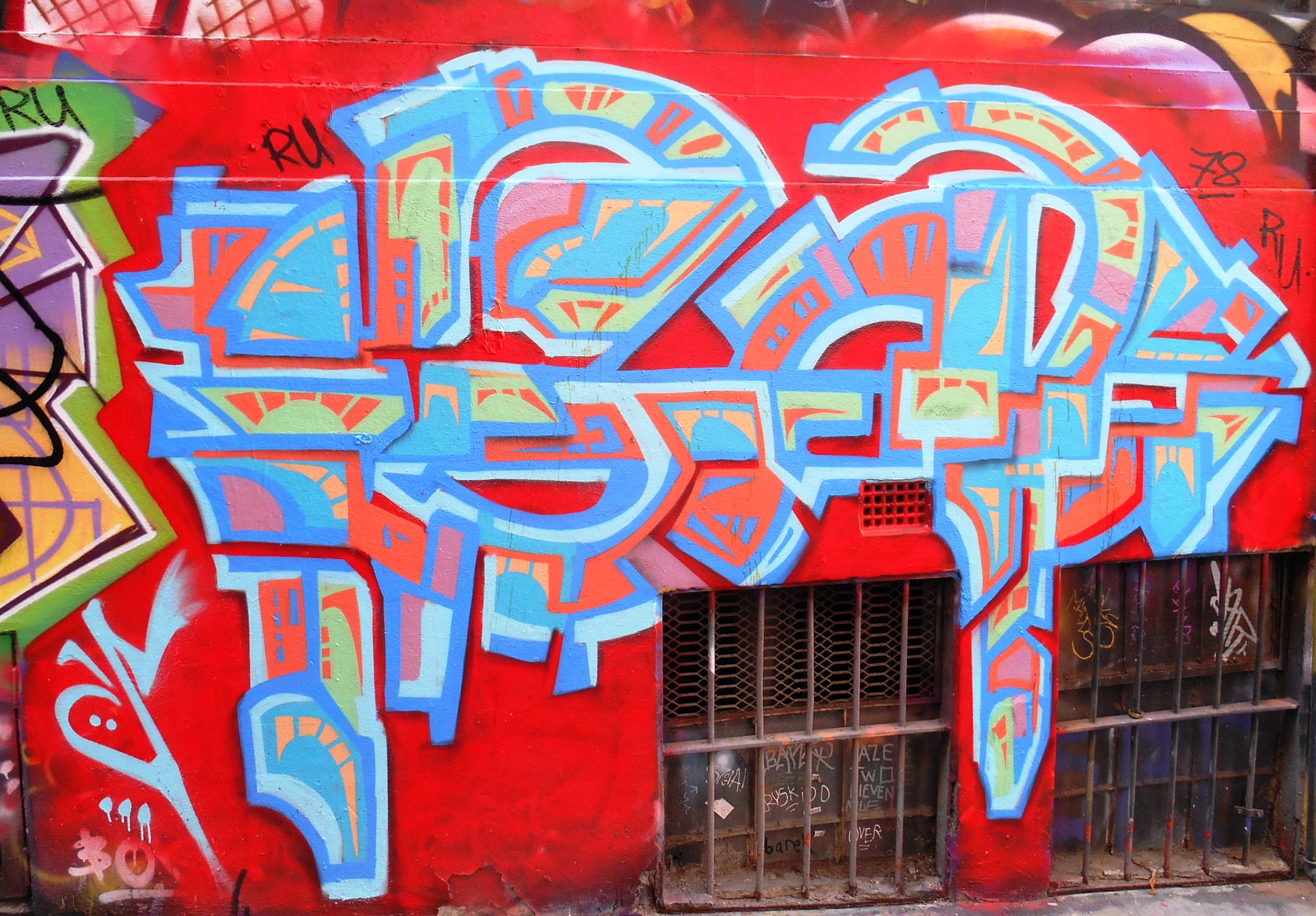
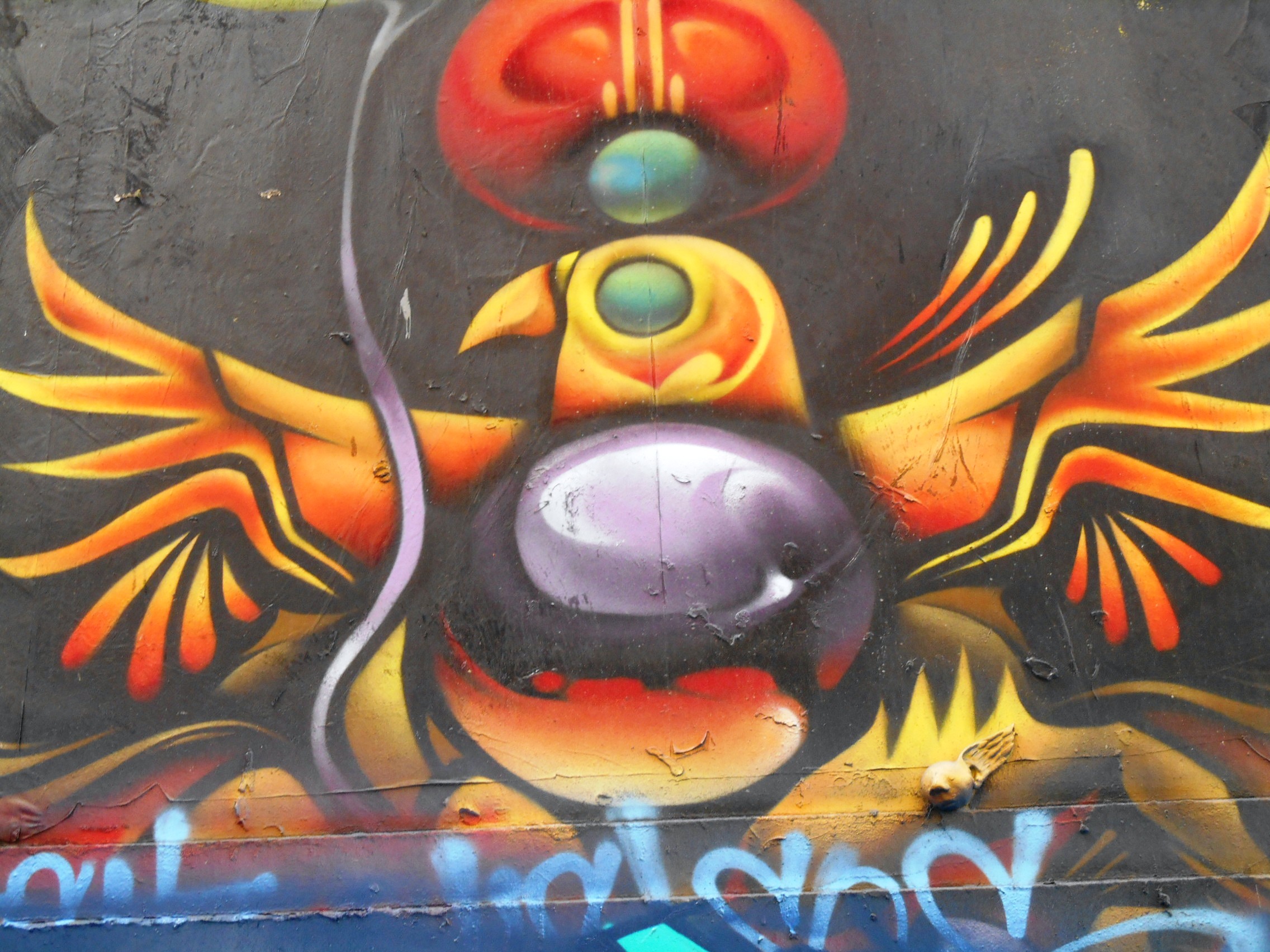
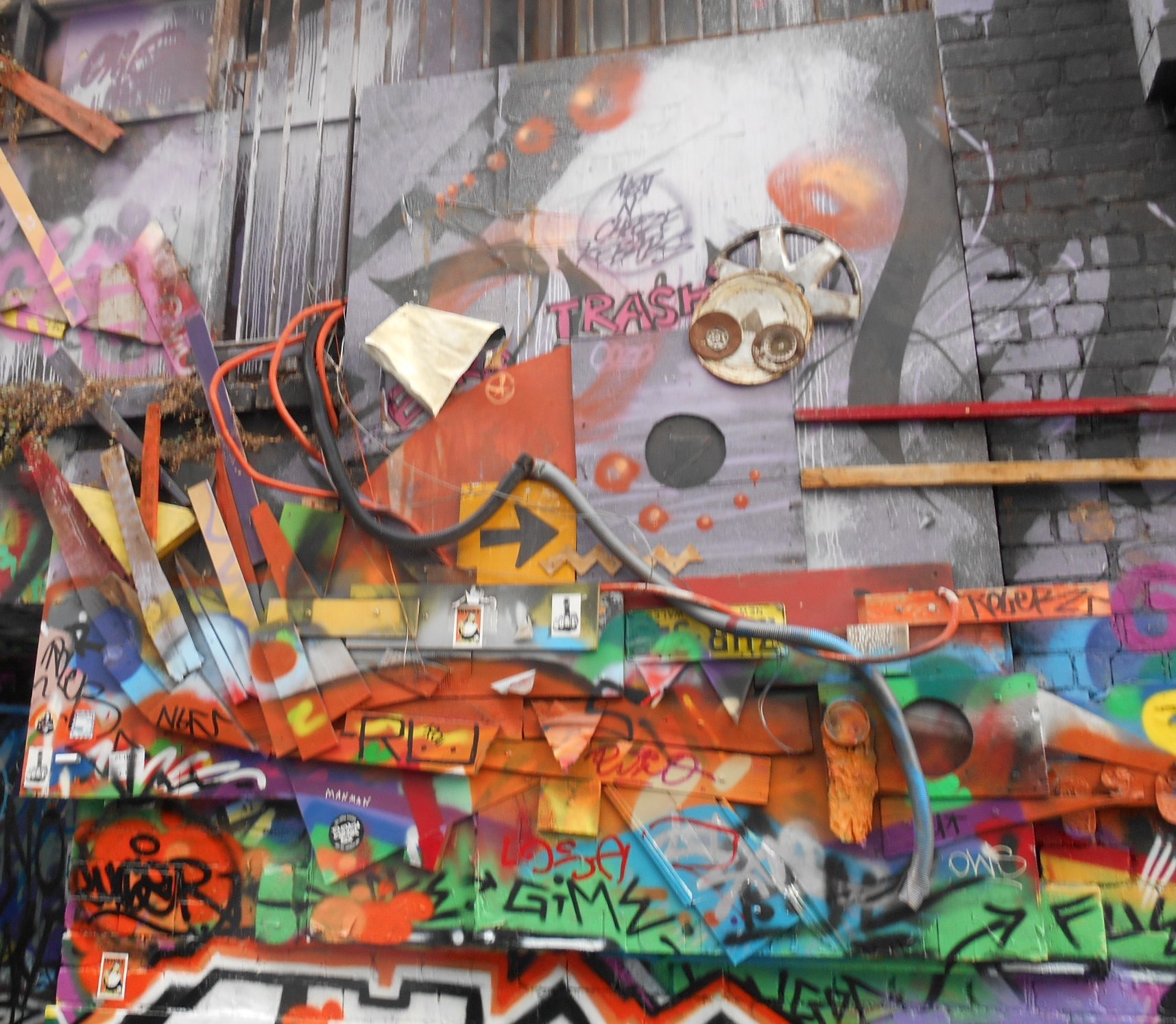
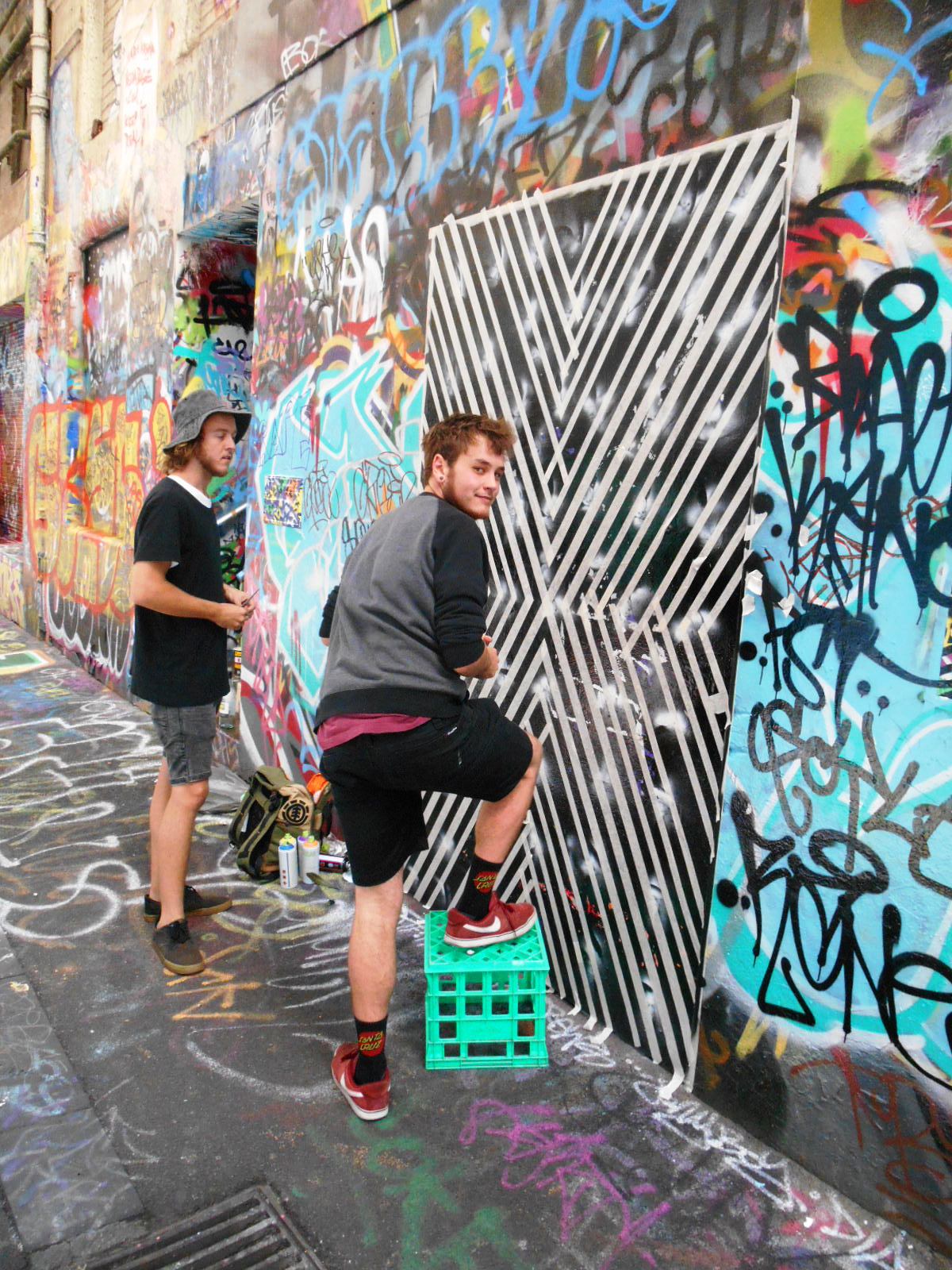
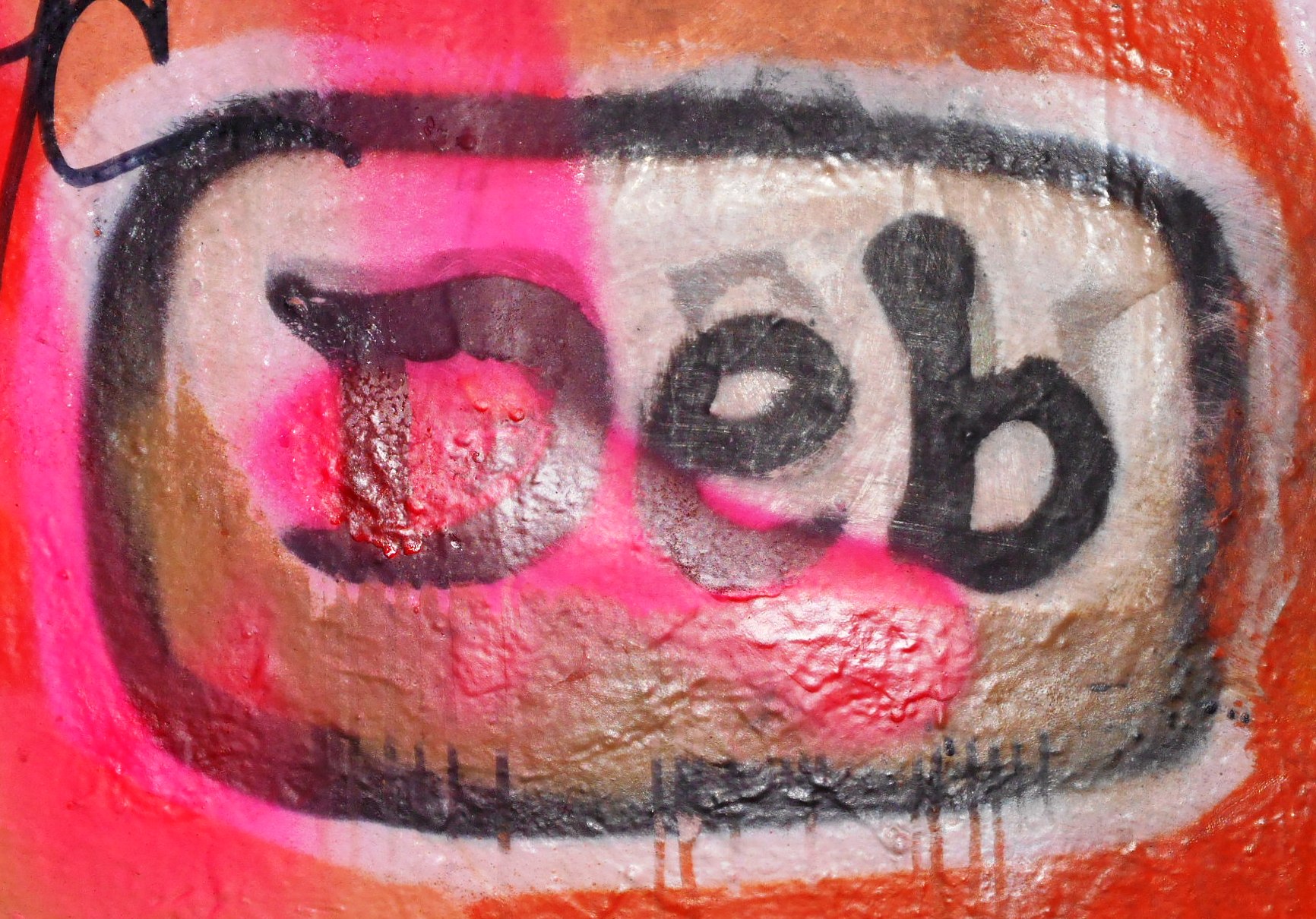
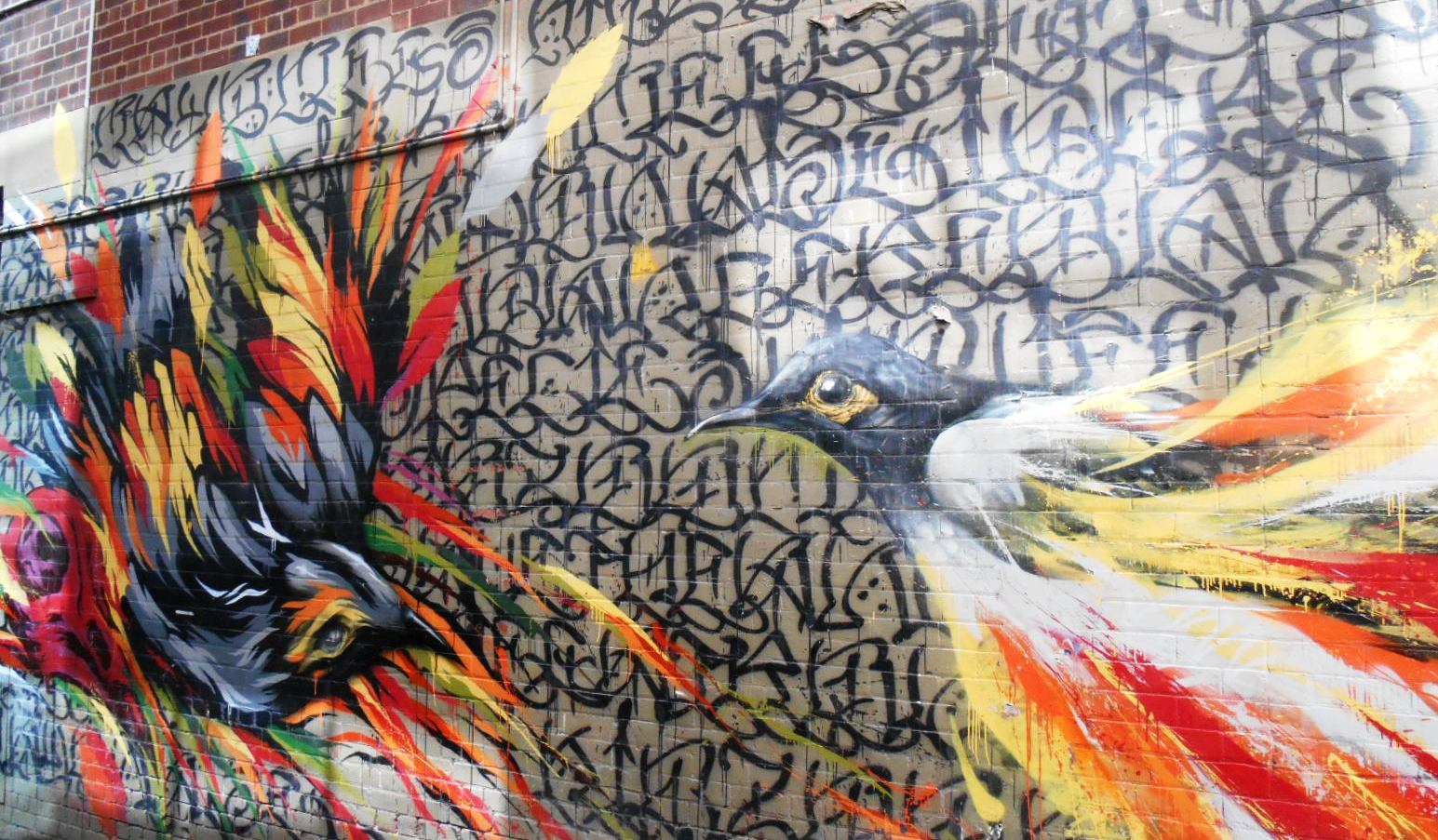
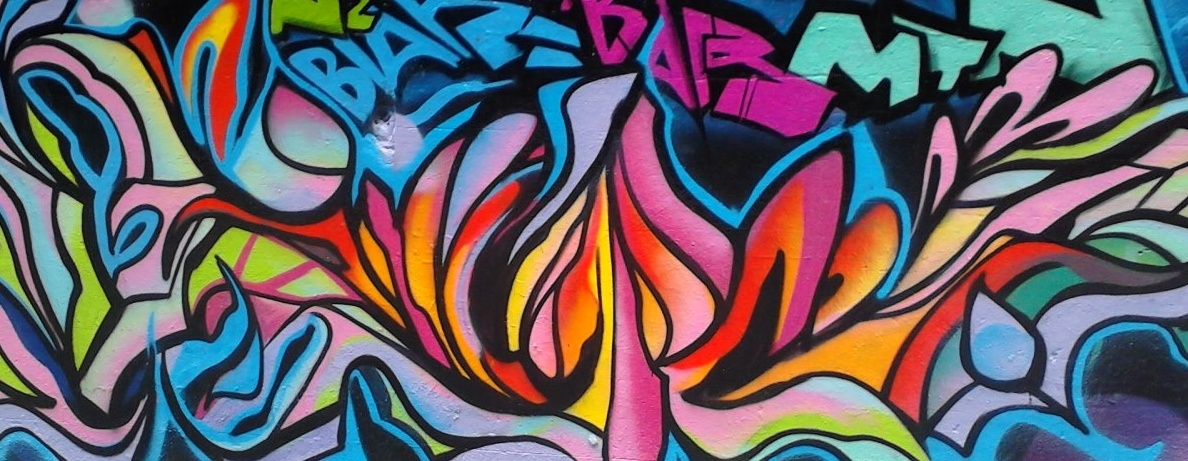
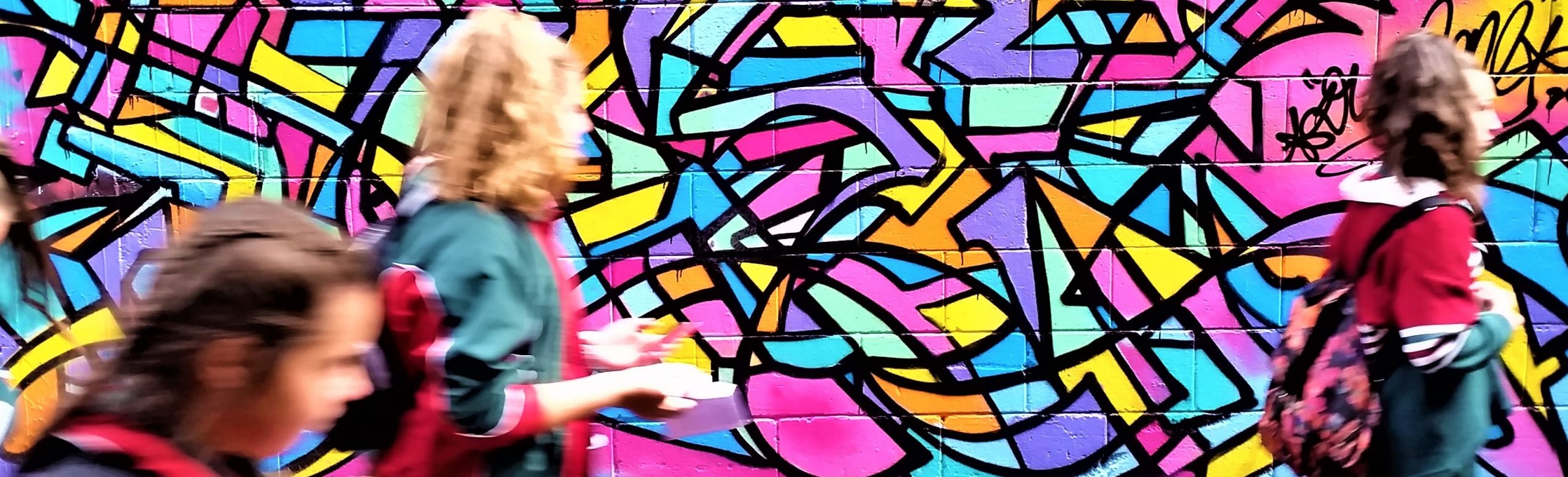
VIEW stencils, paintings, paste-ups,  3D structures,  installations and mosaics by some of the world’s best artists and crews..
IDENTIFY local, interstate and international artists;
DISCOVER the architecture behind the paint –  the history of lanes, buildings, venues and 150 year-old walls.
LEARN the difference between street artists, street writers, graffiti taggers and how the ‘permit lane’ system work.

EXPERIENCE the social culture of the back lanes where Melbournians celebrate their artists, cafes, music and coffee.
MAPS are provided to street art locations so that you can return with friends and family.
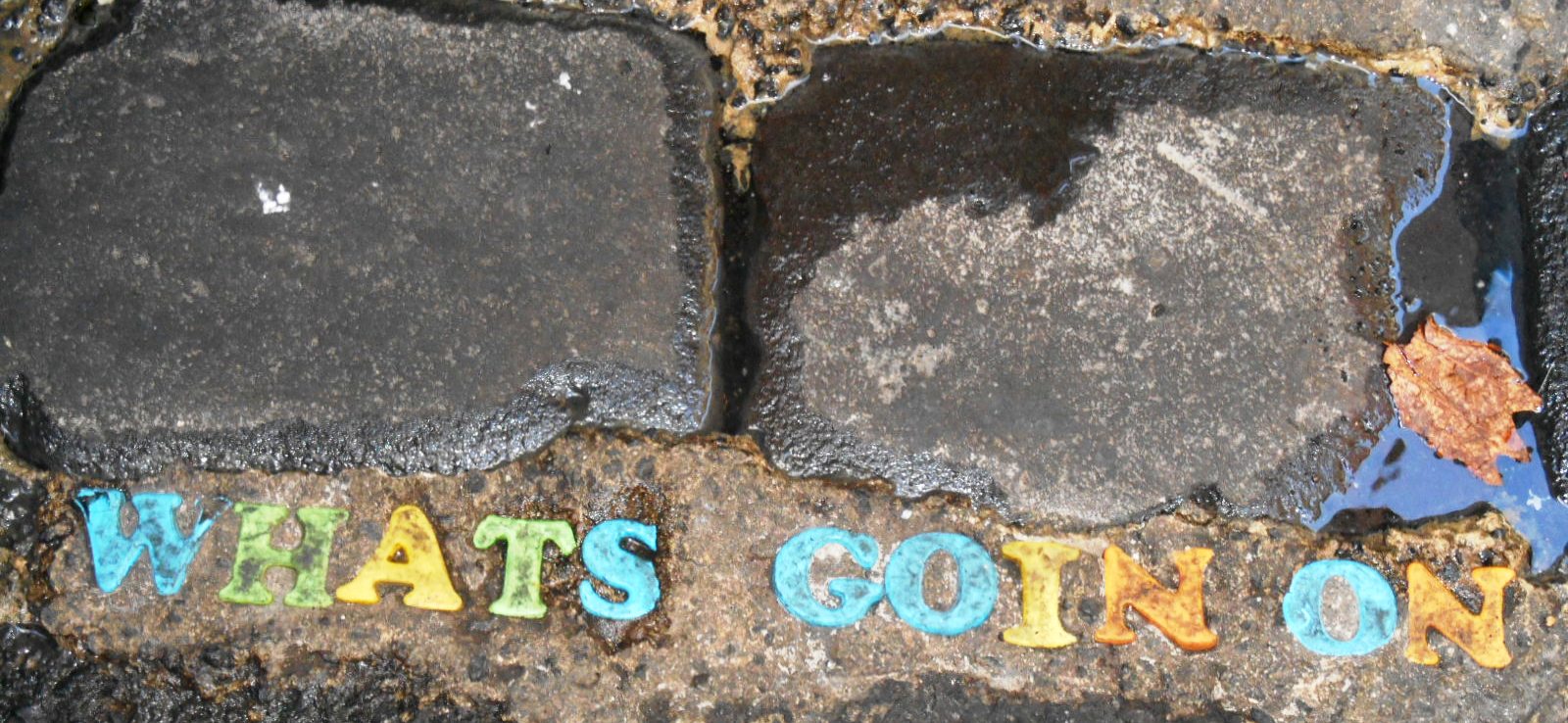
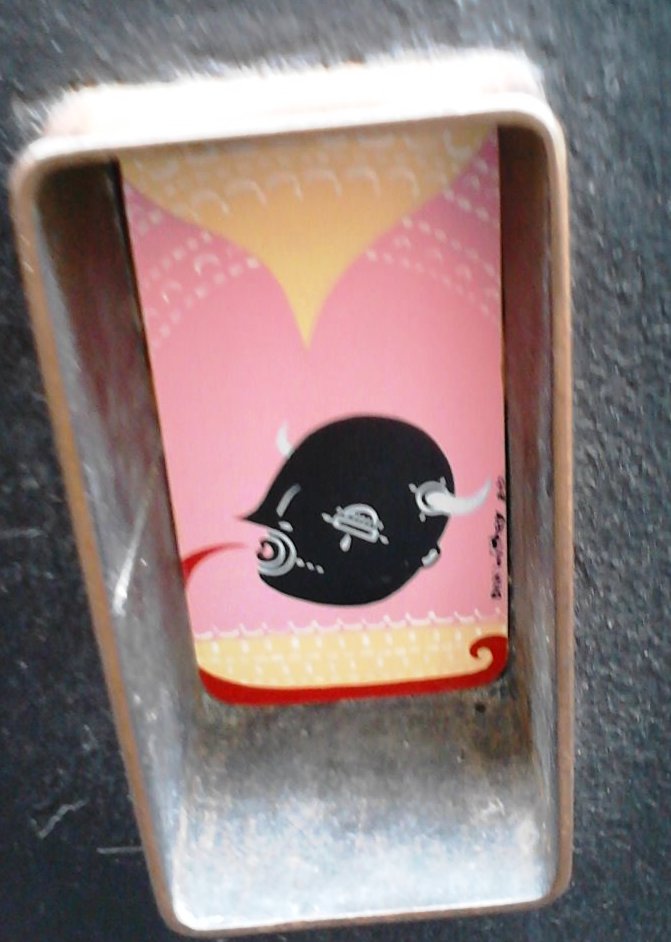
PUT UP and keep a piece of creative street art in the tradition of street artist, Slinkachu

WHERE? Tours are 2.5 hours (2 hours for schools). We normally start from Federation Square

SEE: GROUP BOOKINGS
SEE: SCHOOL EXCURSIONS BOOKINGS

The Street Art Walking Tour guided by Melbourne Walks was a fabulous event. We highly recommend it for people visiting Melbourne but also to locals who haven’t yet seen the amazing works that enliven the back lanes of our city. We had a wonderful guide who introduced us to works by local and international artists, and to parts of the city I never knew existed. The art was breath-taking and I couldn’t help but wonder how the artists had managed to paint such brilliant works while at times scaling walls high above the lane way below. We had stories of the history of different buildings and lanes, and of rivalries  among the artists. We were a group of conference participants and it was a great way for us to get to know each other and have some fun away from the conference. Definitely something memorable to do in Melbourne whether in a group or on your own! And great value!”
Paula Keogh, RMIT University.

Thank you for leading the Lyceum Club ‘Ramblers’ on your Street Art walk and for your most interesting commentary.   It  was very obvious that all of the ladies were totally over-awed with what you showed them. You have given them much to talk about.
Lyceum Club

Just to say thanks for the terrific tour on Monday.  I am sure everyone really enjoyed it as we discovered Melbourne street artists and learned their history.
Members, Professional  Tour Guides Association of Australia.

See our YouTube film below with Pear Tongue performing:

Forms of Melbourne street art seen on our tour include:

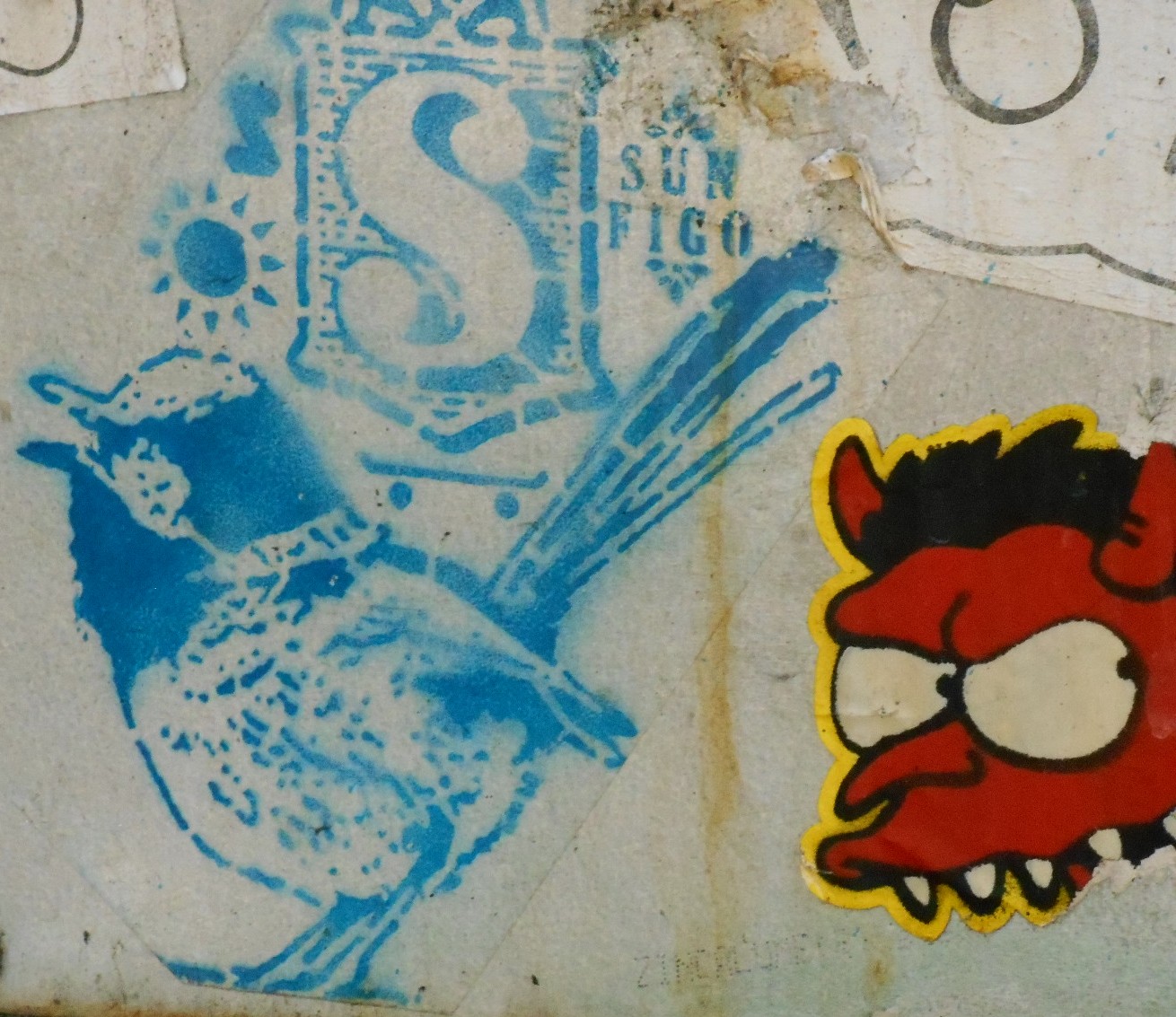
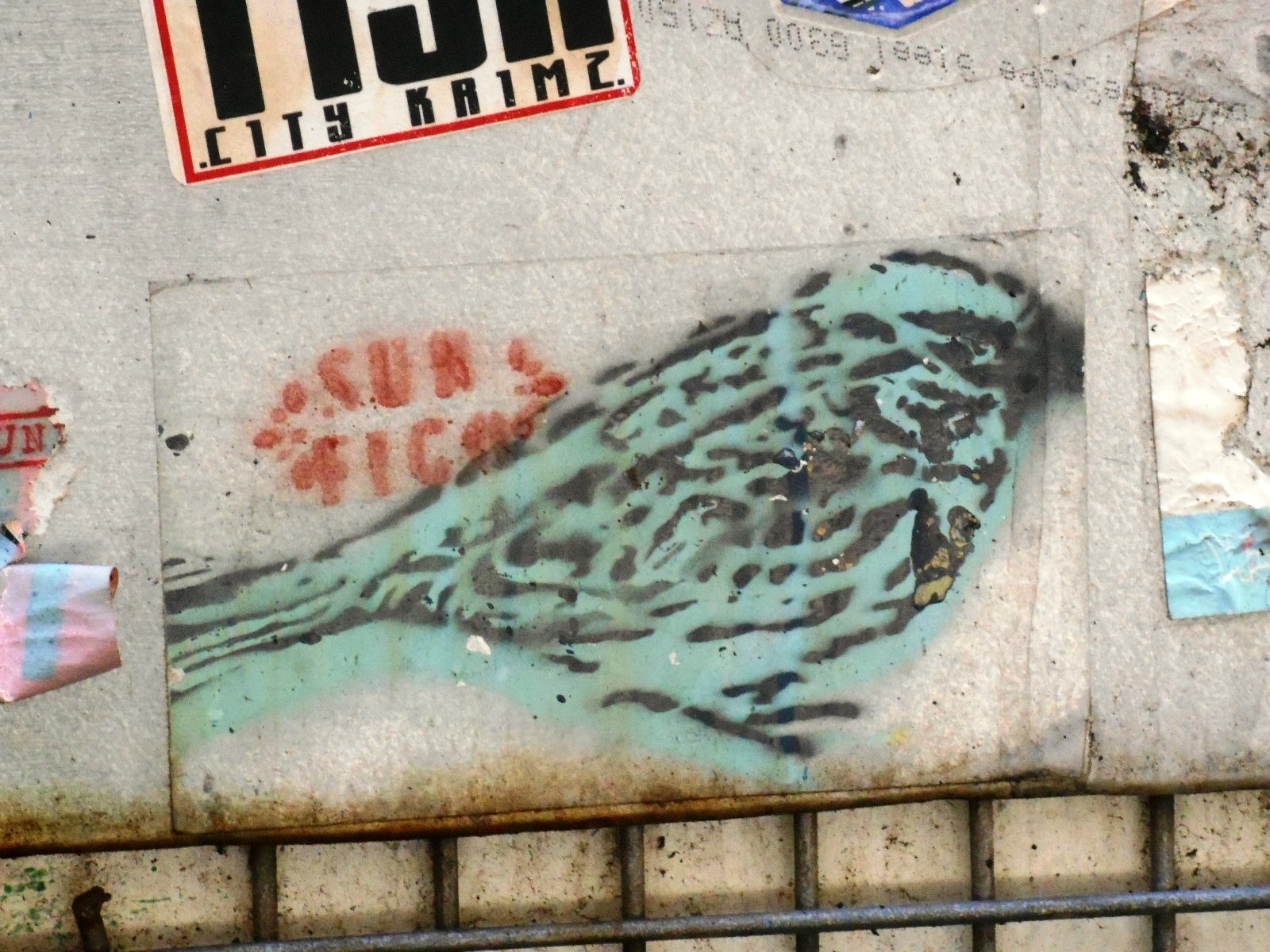
  • Stencils: Transferring images to a surface with spray or roll-on paint using paper or cardboard cut-outs.
  • Paint: Most artists or writers use paint as their medium using hand-held spray cans.
  • Sticker or paste-ups: Creating an image or political or other message using homemade stickers and posters.
  • Mosaic: Using smaller parts or pieces, to create a larger piece of art.
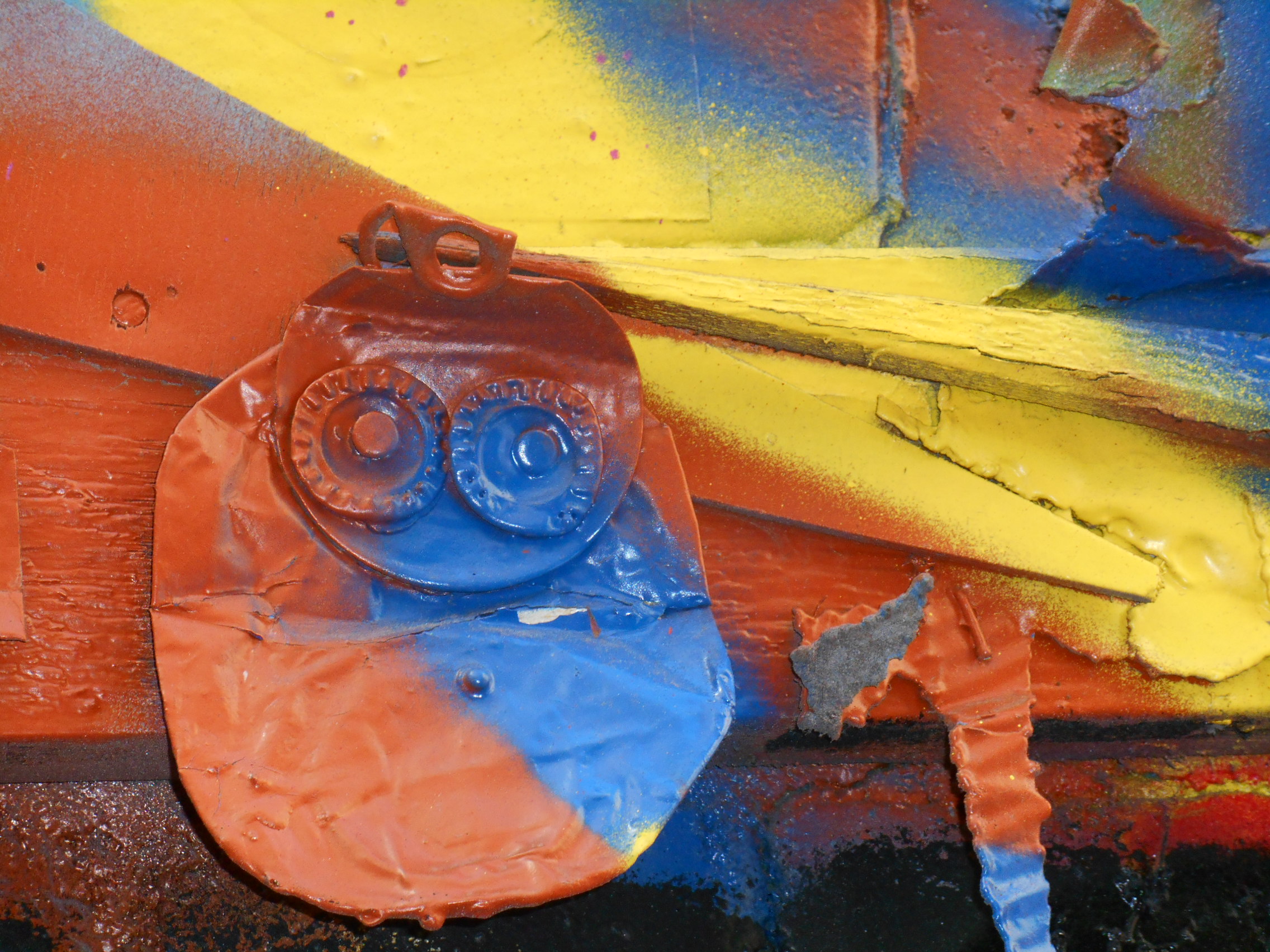
  • 3D: Three-dimensional pieces or objects adhered to walls.
  • Installations: Using objects and events to create a wide variety of art sculptures and art objects including neon signage, events and video projection onto surfaces.
  • Typographies:  Historic signage, posters, advertisements, and neon from the past all tell a story.
  • The Lanes. The art is stunning but so is the spectacular setting in the lanes which have serviced the city since the Gold Rush. Industrial brick, bluestone and old infrastructure such as iron winches abound in what was once the manufacturing heart of Victoria producing textiles, furniture and manufactured goods. Other lanes were once the locations of bagnios, opium dens, impoverished communities and Chinese immigrants. We tell their stories as we go.

What is street art? 

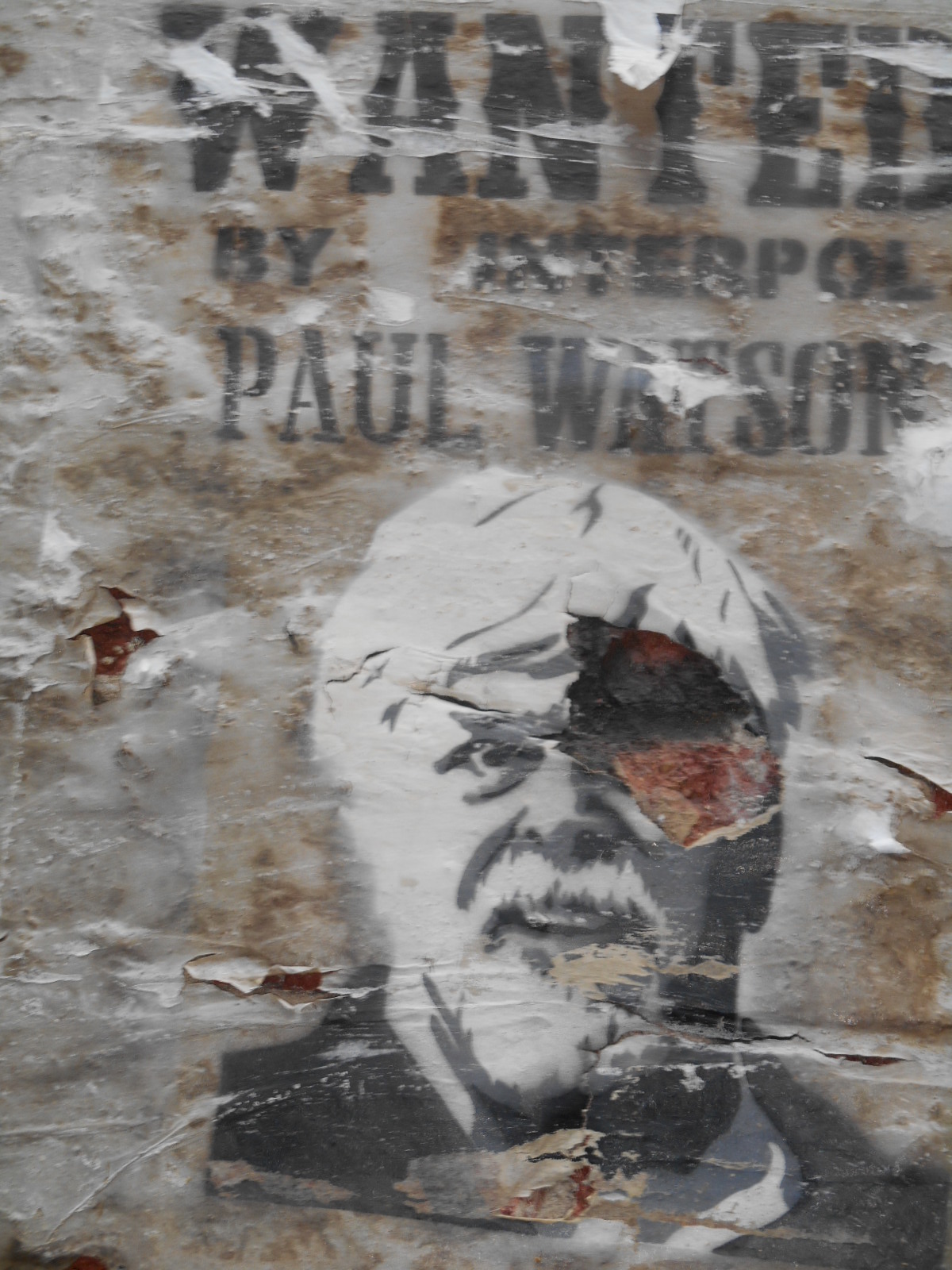
Street Art and Graffiti are controversial and democratic forms of public art. This public art is labelled ‘Street Art’ when permitted by authorities. Without permits, this art is often labelled as graffiti or tagging yet many graffiti works are highly important creative and political pieces.  Many artists consider illegal graffiti as a radical endeavour that challenges the status quo and the concept of art as a collectable trophy. Yet others view Graffiti, particularly  ‘tagging’, as vandalism. We explore how this creative tension plays out as we walk the streets.

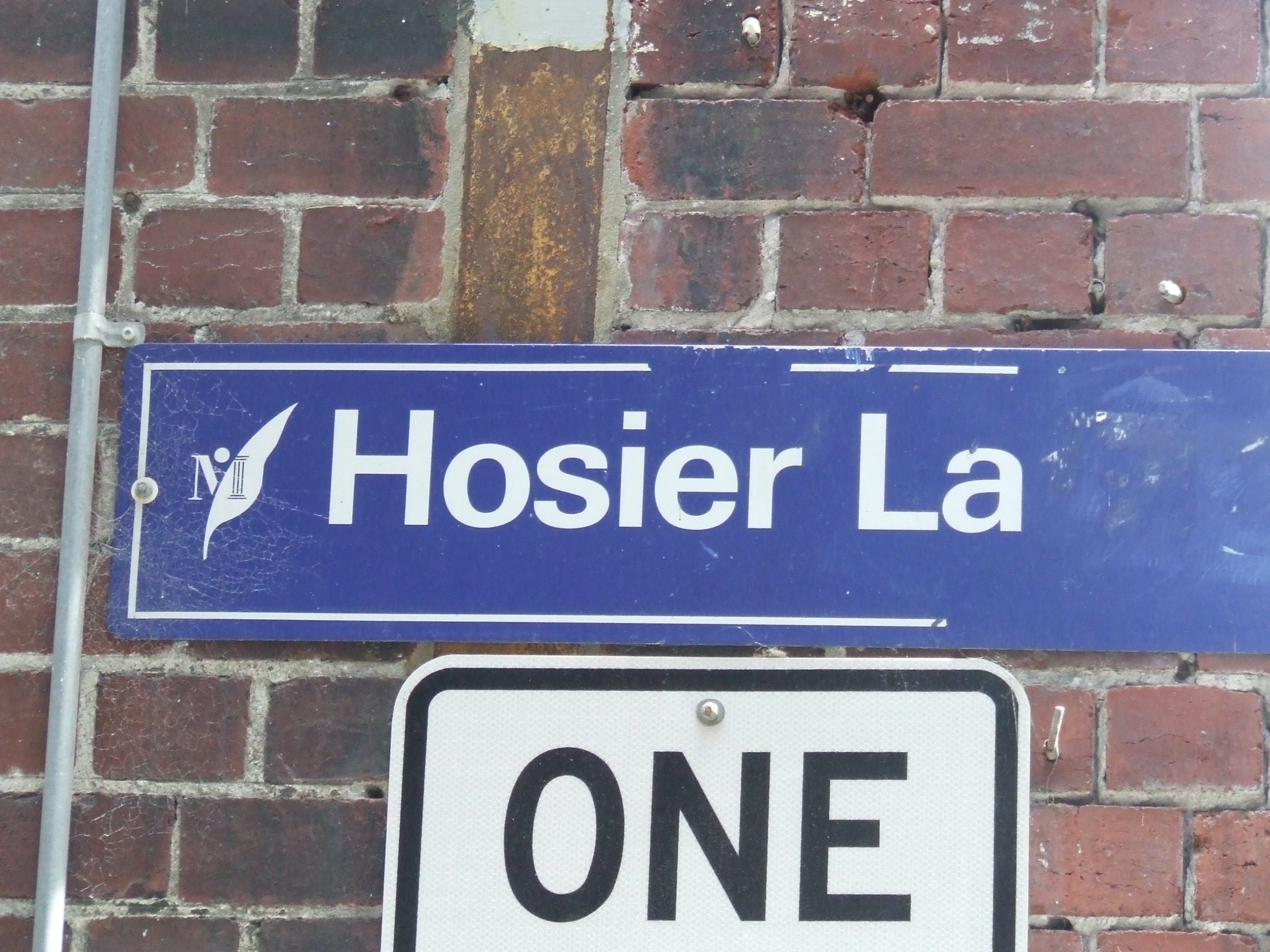
Artists have played an essential role since the  1990s in bringing Melbourne back to life. The City has used street art permits since 2007 to support fantastic and imaginative colour and design by artists on unused or obscure walls with the consent of property owners. Annual public art commissions in the laneways have also encouraged a wide range of artistic experimentation.  In 2005 street artists from across Australia illustrated Hosier Lane for the film Ghost Rider. In November 2013, 100 artists, assisted by six cranes and curator Dean Sunshine, were invited to totally repaint Hosier and Rutledge Lanes for the huge ‘Melbourne Now’ exhibition. See article.

Today’s street art is part of a long tradition of Melbourne counter-cultures in the footsteps of movements like the early Bohemians, the Heidelberg School, Angry Penguins, Dadaists and the 1960s Drift.  Even the contemporary Indigenous art movement has radical elements.

Books on Street Art

  • ‘Everfresh: Blackbook. The Studio and the Street 2004-2010’. Miegunyah Press.S;
  • ‘Stencil Graffiti Capital, Melbourne’; J.Smallman and N.Nyman;
  • ‘Street/Studio’ by Alison Young, Ghostpatrol, Miso  and Timba Smits;
  • ‘Kings Way- The Beginnings of Australian Graffiti:Melbourne 1983-93’.
  • Land of Sunshine. A Snapshot of Melbourne Street Art 2010-2012 by Dean Sunshine
  • Street Art Now, Melbourne, Australia and Beyond, 2010-2014 by Dean Sunshine


See Prices & Bookings

Indigenous Landscapes Tour

We acknowledge the traditional owners of the Kulin Nation including the Boonwurrung and Wurundjeri/Woiwurrung peoples and pay our respects to elders past, present and emerging.

DISCOVER how European occupation impacted on Indigenous people, Indigenous landscapes, our waterways, fauna and flora and the impact today on modern Melbourne.
VISIT Melbourne landscapes that have supported the economic and cultural life of First Nations peoples, colonial settlers, immigrants and Melbournians today.
LEARN
how Indigenous knowledge is used by the City of Melbourne to fight climate change (Care for Country Strategy). This includes understanding traditional uses of land
for food, tools, shelter and medicine by traditional owners, colonists, immigrants as well as by modern Melbournians.
EXPLORE landscapes connected to the Batman Treaty, Indigenous Seasons, landmarks, and territories.
RECEIVE our history book written by ourselves in partnership with the Boon Wurrung Foundation and the City of Port Phillip.

NOTE: O
ur guides are not ususually Indigenous, we come from the Reconciliation perspective of how contemporary Australians can learn from  the use of our landscapes by traditional owners, settlers, immigrants and cities to create a sustainable Australia.

SEE: BOOKINGS AND PRICES  –   FOR SCHOOLS, GROUPS, INDIVIDUALS
(An additional surcharge may apply for bushtucker materials).


”People thought the route you chose for our walk was fantastic. The content was informative, educative, enjoyable and so interesting.”
Port Phillip Reconciliation Action Group.

‘We thoroughly enjoyed the walk by the Yarra River in the CBD. The students all completed detailed reflections and summaries from the information shared. Thanks for making it so interactive, real, and relevant to the lives of the Year Nine students!”

Caulfield Grammar

“We all thought it was excellent: interesting, informative, and very hands-on. The students certainly learned a lot and enjoyed themselves.”

Athol Primary School.

“For Outdoor and Environmental Studies, this tour is a must!!”
Bendigo Catholic College.

ROUTES:
MELBOURNE CITY CENTRE:  Our city tours usually start and finish at Federation Square and explore Birramung Marr Park, the Birrarung (Yarra River), Federation Wharf and surroundings.

SUBURBSOur Indigenous landscape tours have also been conducted in suburban locations including Black Rock, St Kilda, Albert Park, Port Melbourne, Elwood, Merri Creek, Maribyrnong, Brighton,  Bulleen, Elwood, Fitzroy, Clifton Hill, Ascot Vale, Kananook Creek, Footscray,  Gardenvale Creek, Gasworks Park, Carlton Gardens, Hawthorn, Richmond, Alphington, Reservoir and others. 

Melbourne Walks is the author of two award-winning guide books written in collaboration with the Wurundjeri Council, Boon Wurrung Foundation, Koorie Heritage Trust, Aboriginal Affairs Victoria and Aboriginal Studies Press:
Melbourne Dreaming. A Guide to Important Places Past and Present’
 and Yalukit Willam, The  River People of Port Phillip (City of Port Phillip).

SEE also our foraging tour: LIVING WILD OFF THE LAND


FURTHER READING

  • Site at  Ricketts Point and Black Rock
  • Indigenous Plant Use (online). A booklet on the medicinal, nutritional and technological use of indigenous plants, Zena Cumpston, Melbourne University 2020.
  • Koorie Plants. Koorie People.  Beth Gott.
  • Melbourne Dreaming. A Guide to Important Places Past and Present, 2014, Meyer Eidelson, Aboriginal Studies Press.
  • The Biggest Estate on Earth, Bill Gammage.
  • Yalukit Willam. The River People of Port Phillip, 2014,  Meyer Eidelson, City of Port Phillip, Boonwurrung Foundation.
  • Aboriginal Melbourne: the Lost Land of the Kulin People, Gary Presland.
  • Aboriginal Victorians. A history since 1800, Richard Broome, Allen and Unwin 2005.
  • Meerreeng-an. Here is my Country. The Story of Aboriginal Victoria told through art. Chris Keeler and Vicky Couzens 2010. I Succeeded Once. The Aboriginal Protectorate on the Mornington Peninsula, Marie Fels 2011.
  • 1835: The Founding Of Melbourne And The Conquest Of Australia by James Boyce 2011.
  • Eight Wurundjeri Seasons in Melbourne.  Jim Poulter
  • Archaeology of the Dreamtime, J Flood, Angus and Robertson, 2001.
  • Remains to be Seen. Archaeological Insights into Australian pre-history.
  • David Frankel. Good Men and True. The Native Police of Port Phillip. Marie Fels.
  • A Bend in the Yarra : a history of the Merri Creek Protectorate Station, Ian Clark, Toby Heydon.


See Prices & Bookings

Melbourne Explorers School Excursion

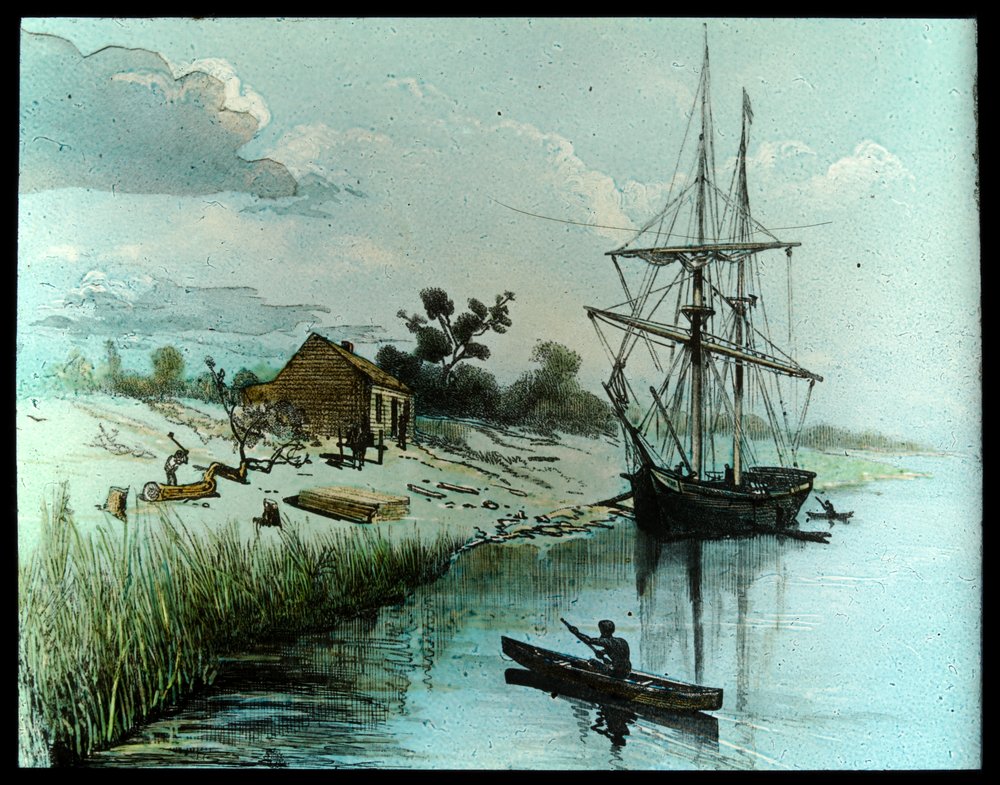
The Enterprize lands at the Yarra River 30 August 1835

HOW was Melbourne impacted by the great journeys of exploration in Australia, the Pacific and the world?
HOW were Indigenous people important explorers of Australia?
WHAT was the effect of European colonial exploration on First Nation peoples?
WHAT is an explorer and what challenges did Melbourne’s colonial explorers encounter e.g climate, seasons, floods, nature, culture etc?
HOW did explorations lead to new understandings and discoveries?
WHAT are different forms of exploration eg Indigenous, colonial, miners, soldiers, immigrants and travellers?
WHY do people explore and can we be explorers today?

ACTIVITIES
During the two-hour excursion, we engage in activities such as using bush foods or tools, viewing
maps and images, visiting places connected to explorers and assigning each student an early Melbourne explorer identity. 

ROUTE
Our student excursions in the Melbourne CBD  are two hours (or as requested) and normally start and finish at Federation Square. Our route may vary with weather, time and construction etc but normally starts at Federation Square walking to adjacent Birramung Marr Park, then walking downriver on the paths beside the Birrarung/Yarra River as far as Queens Bridge (including passing Federation Wharf, Princes and Evan Walker bridges, Flinders Station, Southbank, Eureka building, Indigenous places, Queens Bridge site of early settlement and Sandridge Multicultural Bridge). Students then return to Federation Square via landmarks such as Flinders Street Station, Degraves Street, Flinders Lane, Flinders Statue, Batman site and St Paul’s Cathedral.

SEE  –  BOOKINGS AND PRICES   FOR INDIVIDUALS, GROUPS AND SCHOOLS

SEE our many other SCHOOL PROGRAMS

“Thanks to you for the wonderful excursions. It complemented our unit perfectly and gave the students some fantastic experiential and memory-building information that has turned even the most mundane magnificent. Thanks for bringing history alive!  We most certainly will be back!”
Serpell Primary School.

“Thank you so much for a wonderful excursion! Our team had a great time and the students enjoyed the experience! We found all the information delivered on the tour to lead in beautifully with our unit of work and upcoming project”
Westbreen Primary School.

“Our students thoroughly enjoyed the walking tour and we appreciated how “hands on” it was.”
St Vincent De Paul Primary.

Explorers connected to the Port Phillip District include people such as Batman, Grimes, Collins, Hume and Hovell, Fawkner, Mitchell, Templeton, Lancey, Von Mueller, Grant, Murray, Flinders, Baudin, Bass, Buckley, Bourke and Wills, Eliza Callaghan, Anastasia Hayes, Georgina McCrae, Truganini , members of the Kulin Nation and others.

‘Old World’ explorers like Magellan, Vasco De Gama, Dampier, Hartog, Cook and others also influenced Melbourne’s founding as they mapped the trade routes to the Pacific and Indian Ocean which paved the way for the European exploration of Australia by later navigators. The term explorers includes Europeans ettlers whoo opened up new lands such as Batman, McCrae’s, Baxter’s, Fawkner’s, Liardets, Templeton and others.

Our tour informs how the First People or Indigenous people were the first successful explorers having made extraordinary sea crossings from Asia 60,000 or more years ago, exploring the entire continent yet surviving 25,000 years of ice age, 10,000 years of drought and flooding of a quarter of the continent – not to mention colonisation by Europeans. They also accompanied and guided many if not most of the European settlers in their explorations.

Things that European explorers and pioneers didn’t realize included climate (6-8 not 4 seasons), flooding (Melbourne is a flood plain), firestick farming, the shallow soils, the arid interior, Indigenous land ownership and relationships, water scarcity,  the impact of hoofed animals and exotic fauna and flora, polluting of water, the value of the hunting and gathering lifestyle, over-exploitation of land and others.

See Prices & Bookings

Fabulous Architecture Melbourne Tour

OUR tour explores the fabulous architecture of Melbourne story from early lanes to the goldrush boom to inter-war to the modern era to the ‘carbon-neutral’ architecture of the future. We also have some online tour options.
VISIT landmark heritage, innovative and sustainable design architecture from many different styles and eras, walking north from Federation Square along Melbourne’s ‘civic spine’ via Swanston, Flinders, Collins and Bourke Streets.
THIS TOUR tour traces the story of a city’s revival from just 400 residents in the 1990s to a cultural mecca voted seven times ‘the most liveable city in the world’. Was it design or luck? Are there architectural lessons for other cities? What precious assets are under threat?
MELBOURNE has been a planned city since Robert Hoddle laid out the famous 1837  ‘Grid’ or ‘Golden Mile’ enabling us to see a wide variety of buildings by foot. Styles include Art Deco, modernist, Australian design’, Romanesque, Gothic Revival, French Empire, Victorian, Neoclassical, Industrial and more.

SEE also our Sustainable Architecture and Design Tour.
TOURS are normally 2.5 hours – or two hours for student groups – but can be adjusted on request. Tours normally start from the stage and big screen at Federation Square.

SEE  –  BOOKINGS AND PRICES    FOR INDIVIDUALS, GROUPS AND SCHOOLS.

SEE  –  Our many other SCHOOL PROGRAMS. Including Explorer, Federation, Aboriginal, Early Melbourne, Lanes, Literature, ‘Runner’, Street Art and more…

‘Thanks again for a highly educational and enjoyable tour for all our visitors, not just the range of building but the architectural evolution of the city over time’.
Tina 2017

‘Fantastic feedback from our staff who attended your tours and thought all three of your guides were very engaging for our Year Nine’s, which isn’t easy!!’ 

Pt Cook College, 2016.

‘I found the architectural tour to be most interesting, as we could apply our knowledge to and be inspired by real architecture designed for specific purposes.’
Ministry of Mercy Education 2016.


OUR ROUTE
can vary depending on building accessibility, weather, construction, time of the week and public holidays but usually includes a mix of the buildings and designs below:

SWANSTON STREET/ST KILDA ROAD

  • Federation Square Atrium (2002) – Lab Architecture Studio, Bates Smart.
  • Nearmnew, Paul Carter 2002.
  • New Metro Underground RSHP,  HWW 2018-2026
  • Flinders Street Station (1910) – JW Fawcett, HPC Ashworth.
  • The Carbon Neutral Precinct 2016.
  • Bunjil’s world: Caring for Country Strategy.
  • Eureka Tower, 108 and Phoenix , Fender Katsilides.
  • Evan Walker’s Southbank.
  • Hoddle Grid 1837-2018, the walking city.

FLINDERS LANE

  • Phoenix, Flinders St, Fender Katsilides 2011
  • Nicholas Building (1926) – Harry Norris
  • Hosier: Architecture , art and design of lanes.
  • Adelphi Hotel (1993) – DCM
  • St Paul’s Cathedral (1891) – William Butterfield, Reed and Barnes.
  • 171 Collins (BHP), Mayfair Theatre,  Bates Smart 2014.

COLLINS STREET

  • Paris End: Churches, theatres, clubs
  • Regent Theatre, Cedric Ballantye 1930
  • Melbourne Town Hall (1867), Joseph Reed
  • Manchester Unity, Marcus Barlow 1932.
  • St Collins Lane, 2017, ARM Architects
  • Centreway 1911, Edwardian Baroque, Tompkins, Cocks Carmichael Whitford,
  • Kodak House  252 Collins St, Oakley/Parkes,1934.
  • Lyric House
  • Napier Waller, Newspaper House, 247 Collins, Stephenson, Renaissance Revival
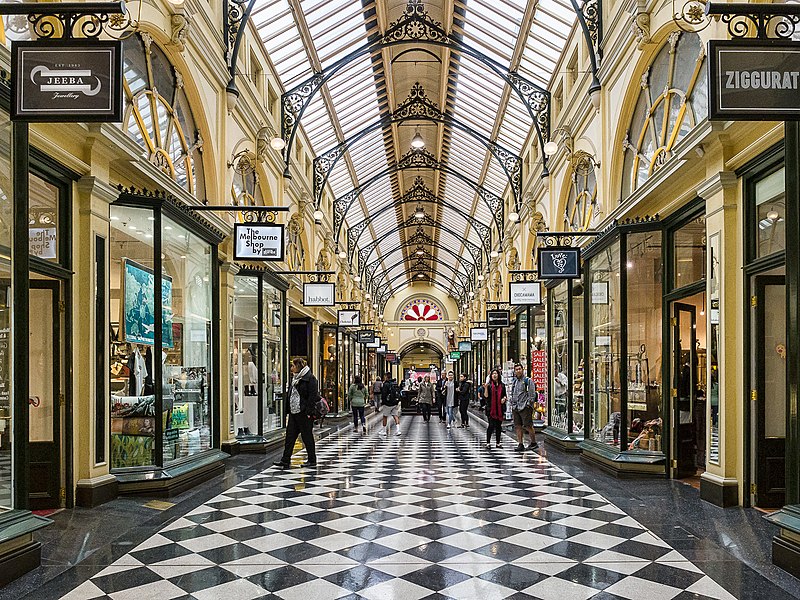
  • Block Arcade, 1891, 280 Collins, Twentyman and Askew, Marvellous Melbourne
  • Royal Arcade 1869 Charles Webb,
  • Banking Chamber (1892, 1990) – Lloyd Tayler and Alfred Dunn (1892) and Nelson Architects
  • International and Robert Peck von Hartel Trethowan Pty Ltd. (1990), Marvellous Melbourne
  • Coles Book Arcade 1890, Howey Place, Marvellous Melbourne

FOR INTEREST – OTHER MELBOURNE ARCHITECTURAL LANDMARKS

  • Buckley & Nunn 294-296 Bourke Street, Bates, Smart & McCutcheon in style, Jazz Modern 1934
  • Melbourne Post Office (1859-1907) A.E. Johnson, Walter Burley Griffin, Victorian
  • Myers, 314 Bourke, HW and FB Tompkins, Streamlined Moderne
  • Royal Arcade, 331 Bourke, 1869, Charles Webb, Victorian
  • Council House 2 (2006) – City of Melbourne, Design Inc.
  • Melbourne Central (1988-2005) – Kisho Kurokawa, Bates Smart and McCutcheon and Hassell/Ashton Raggat McDougall
  • Storey Hall (1887/1995) – Tappin Gilbert & Dennehy /Ashton Raggatt McDougall.
  • RMIT Building 8 (1993) – Edmond and Corrigan
  • Building 80, Lyons Architects
  • Design Hub,  23 Cardigan St, Carlton, Sean Godsell.
  • Portrait Building – William Barak Apartments, Swanston Street,  Ashton Raggat McDougall
  • Australian Centre for Contemporary Art (2002) – Wood Marsh Architects
  • School of Drama, Victorian College of the Arts (2002) – Edmond & Corrigan
  • Centre for Ideas, Victorian College of the Arts (2004) – Minifie Nixon
  • Melbourne Theatre Company & Melbourne Recital Centre (2008) – Ashton Raggat McDougall
  • Eureka Tower (2006) – Fender Katsalidis
  • Queensbridge Square (2006) – City of Melbourne
  • Australian Histories and The Travellers (2006) – City of Melbourne and Nadim Karam
  • Royal Exhibition Building (1880) – Joseph Reed
  • Melbourne Museum (2000) – Denton Corker Marshall.
  • Melbourne University School of Design John Wardle Architects

DOCKLANDS

  • Webb Bridge (2003) – Robert Owen, Denton Corker Marshall; (connecting Yarra’s Edge and Docklands Park)
  • ANZ Headquarters – Hassell; 5-star green energy building.
  • NAB Headquarters (2005) – Bligh Voller Neild.
  • Digital Harbour Port 1010 (2006) – Ashton Raggat McDougall.
  • Tower 5 at Yarra’s Edge – (2000) Wood Marsh Architects

SUSTAINABLE ARCHITECTURE AND DESIGN

  • Federation Square Atrium
  • Council House 2 (CH2) 218-242 Little Collins St- 6 Star Green Star – DesignInc Melbourne Pty Ltd
  • Hero Apartments former Russell Street Telephone Exchange and Post Office.
  • Ross House, Flinders Lane (retrofit)
  • 55 Swanston (retrofit)
  • Coramandel Green Lane
  • Urban Workshop, 50 Lonsdale Street, Melbourne 4 Star Green – John Wardle Architects, Hassell and NH Architecture
  • ANZ Headquarters – Hassell; 5-star green energy building.
  • 500 Bourke Street Melbourne 5 Star Green Star – John Wardles Architects; Peddle Thorp Architects
  • 181 William Street 5 Star Green Star –:Bates Smart and SJB joint venture
  • 550 Bourke Street (Extension) 5 Star Green Star – Bates Smart and SJB joint venture
  • See Victorian Architecture Awards

RECOMMENDED BOOKS

  • Design City Melbourne.  Leon Van Schaik. Wiley Press.
  • Melbourne Architecture by Phillip Goad. Watermark Press.
  • A Pictorial Guide to Australian Architecture, Styles and terms from 1788 to the present by Richard Appleby, Robert Irving. Peter Reynolds, Angus and Robertson.
  • Walking Melbourne, A National Trust guide to the historic and architectural landmarks of central Melbourne by Rohan Storey.
  • Melbourne: The City’s History and Development Lewis, Miles, City of Melbourne, 1995
  • 150 Years of Australian Architecture, Philip Goad, ‘Bates Smart: Fishermans Bend, 2004.
    Melbourne by Sophie Cunningham 2011.
  • Characters: Cultural Stories Revealed Through Typography by Stephen Banham 2011.
  • The Place for a Village. How Nature has shaped the city of Melbourne. Gary Presland.
  • Essential but Unplanned: the story of Melbourne’s Lanes, Bate, Weston, Main Ridge: Loch Haven Books 1994
  • Melbourne Remade. Seamus O’Hanlon. The Inner city Since the 1970s. Arcade Publications 2010.


See Prices & Bookings

School Tours: Melbourne Street Art & Graffiti

OUR Melbourne street art and graffiti tours have been experienced by thousands of primary, secondary, tertiary and international students. Tours are normally two hours for schools and leave from Federation Square but can be adjusted to group and school needs. Adult group tours (non-school) are 2.5 hours.

LEARNING OUTCOMES AND ACTIVITIES:
EXPLORE Melbourne’s famous street art and graffiti in the city’s labyrinth of lanes. Don’t miss seeing one of the most exciting and radical art movements in the world. It is happening right NOW! 
VIEW different art forms -stencils, paintings, writers, paste-ups, yarn-bombing, lightboxes, installations and mosaics by amazing artists.
IDENTIFY local, interstate and international artists. Enjoy our fun quiz activity in ACDC and Duckboard lanes.
PUT UP and keep a piece of creative street art in the tradition of street artists Mini-me and Slinkachu.

DISCOVER the history and architecture of the painted industrial walls, buildings, and lanes.
MAPS are provided so students can return with friends and family.
STARTING POINT: We normally start and finish at Federation Square  www.fedsquare.com.

SEE: BOOKINGS AND PRICES  

SEE: OTHER SCHOOL PROGRAMSExplorer, Sustainability, Federation, Colonial, Indigenous, Early Melbourne, Architecture, Literature, City Discovery and more.

FORMS of Melbourne street art seen on our tour include:
Stencils: Images transferred to a surface with spray or roll-on paint using paper or cardboard cut-outs.
Paint: Most artists or writers paint using hand-held spray cans as their medium.
Sticker or paste-ups: Creating an image or message using homemade stickers and posters.
Mosaic: Using smaller parts or pieces, to create a larger piece of art.
Graffiti Writers: Highly stylised street names
3D: Three-dimensional pieces or objects adhered to walls.
Installations: Using objects and events to create a wide variety of art sculptures and art objects including neon signage, events and video projections onto surfaces.
Typographies:  Historic signage, posters, advertisements, neon from the past that tell important stories.

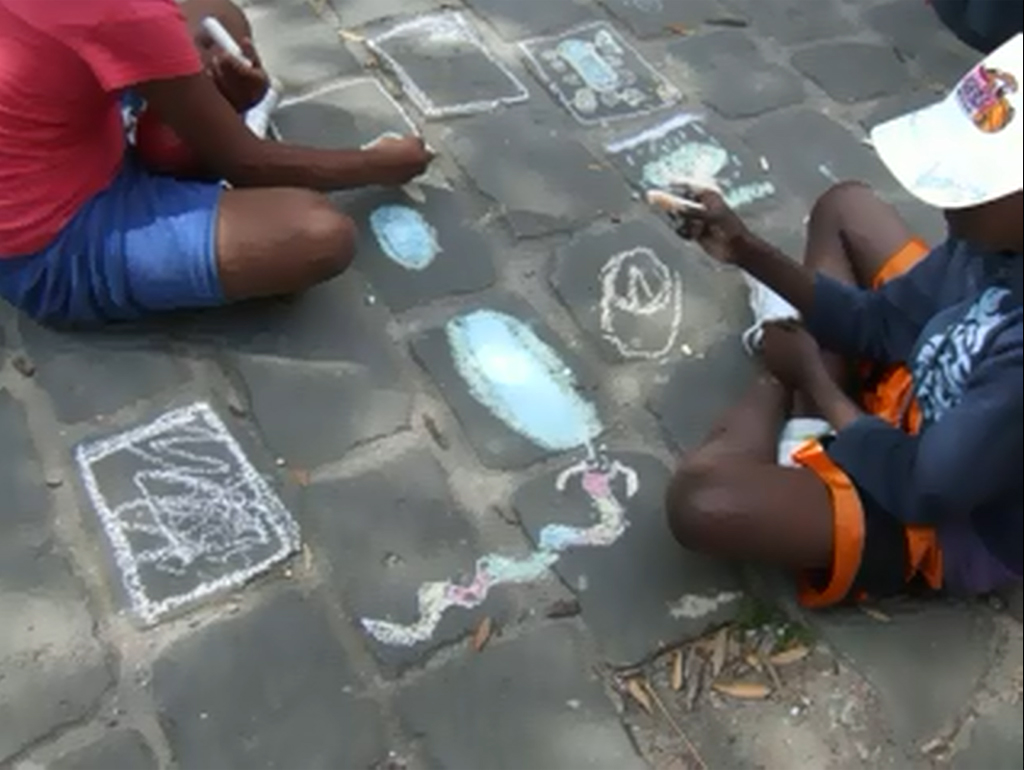
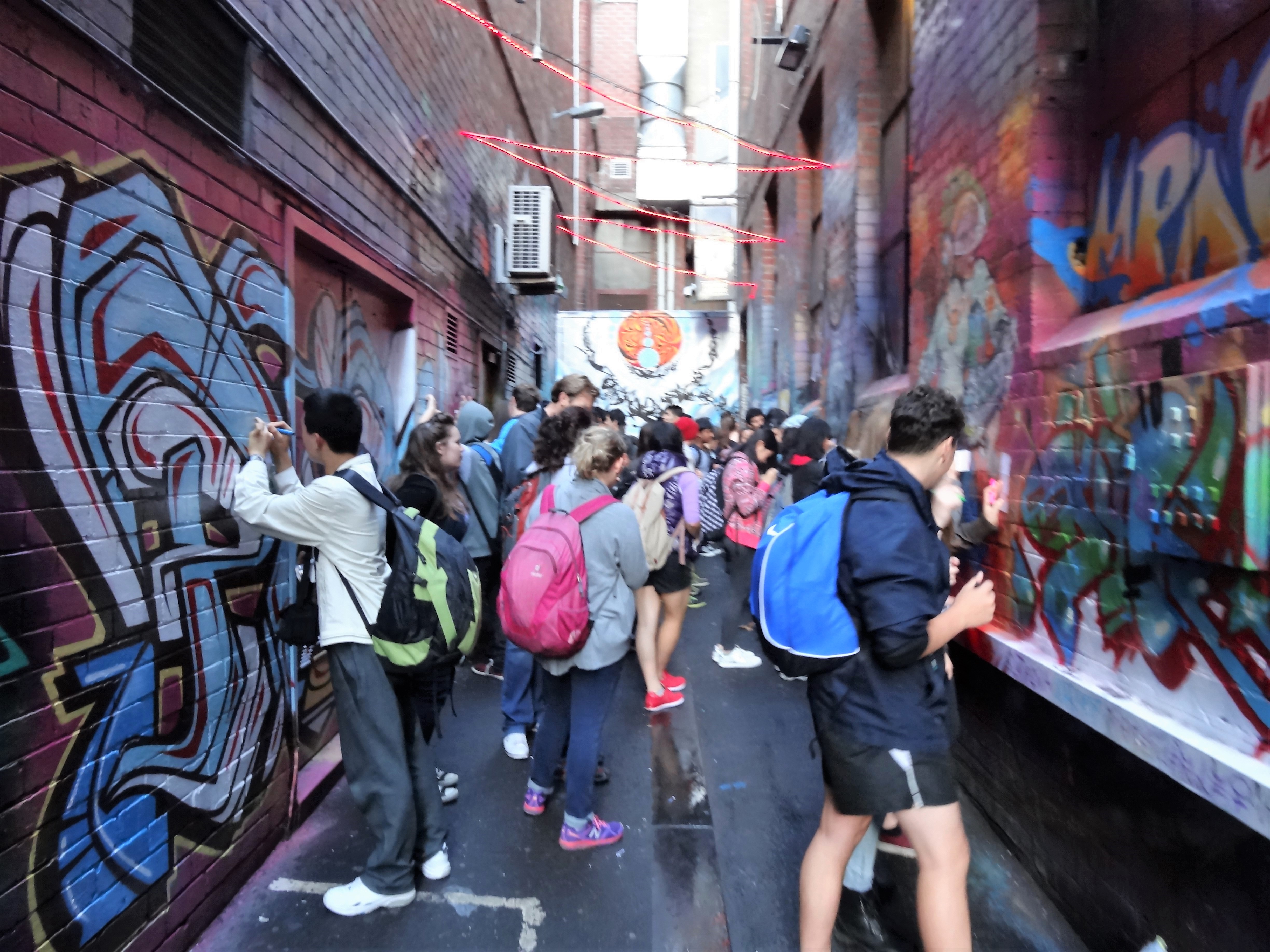
Students creating Minime street art in Melbourne Lanes

WHAT IS STREET ART?  
Street art is a controversial and democratic form of public art. This public art is described as ‘Street Art’ when permitted by authorities. Without permits, this art is regarded as illegal ‘Graffiti’ yet many non-legal works may be highly important creative and political pieces.  Many artists consider illegal graffiti as a radical endeavor that challenges the status quo and the concept of art as a collectable trophy. Yet outsiders to the art world may view Graffiti, particularly  ‘tagging’, as vandalism. We explore how this creative tension plays out as we walk the streets.

ARTISTS have played key role since the 1990s in bringing Melbourne back to life. The City initially used street art permits from 2007 to support fantastic and imaginative colour and design by artists on unused or obscure walls with the consent of property owners. Annual public art commissions in the laneways have also encouraged a wide range of artistic experimentation.  In  2005 street artists from across Australia illustrated Hosier Lane for the film Ghost Rider. In November 2013, 100 artists, assisted by six cranes and curator Dean Sunshine, were invited to totally repaint Hosier and Rutledge Lanes for the huge ‘Melbourne Now’ exhibition. Street art continues a long Melbourne’s history of local counter-culture movements, including the 1860s Bohemians, the Heidelberg School, Angry Penguins, Dadaists, 1960s Drift. and Indigenous Art.

THE LANES The art is stunning but so is the spectacular setting in the lanes which have serviced the city since the Gold Rush. Industrial brick, bluestone and old infrastructures abound in what was once the manufacturing heart of Victoria producing textiles, furniture and manufactured goods. Other lanes were once the locations of bagnios, ragged schools, impoverished communities and Chinese immigrants. We tell their stories as we go.

WATCH our video below!

BOOKS ON STREET ART

  • ‘Everfresh: Blackbook. The Studio and the Street, Miegunyah Press.S;
  • ‘Stencil Graffiti Capital, Melbourne’; J.Smallman and N.Nyman;
  • ‘Street/Studio’ by Alison Young, Ghostpatrol, Miso  and Timba Smits;
  • Kings Way – The Beginnings of Australian Graffiti. Melbourne
  • Land of Sunshine. A Snapshot of Melbourne Street Art 2010-2012 by Dean Sunshine
  • Street Art Now, Melbourne, Australia and Beyond, 2010-2014 by Dean Sunshine.

STREET ARTIST MINI-ME

WHAT?
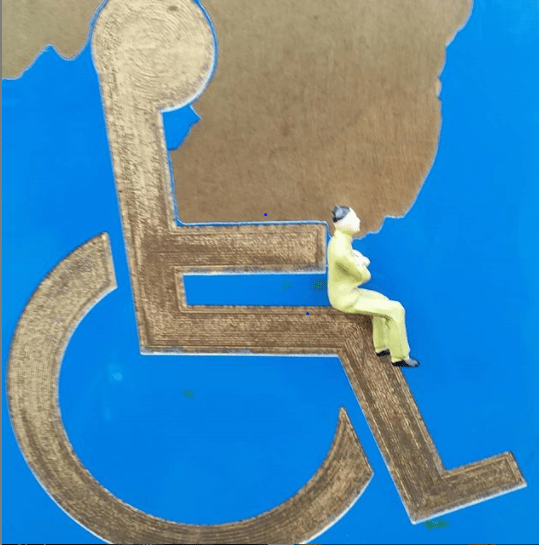
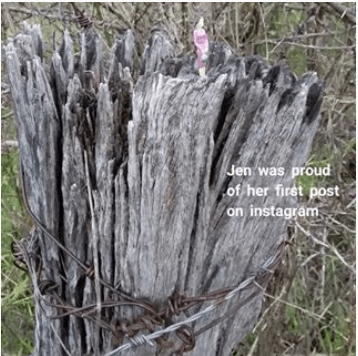
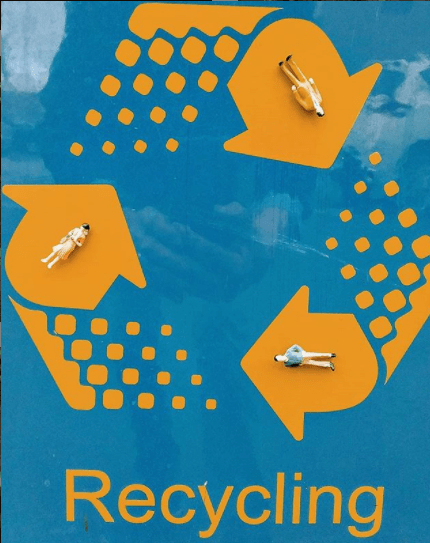
Mini-me is a form of miniature street art. Miniature figures of little people are placed temporarily in street art settings to illustrate stories about art, justice, sustainability and heritage. These settings are then photographed for media such as Instagram etc..
WHO?

Mini-me or Minime is a miniature street artist from Melbourne whose work can be viewed on Instagram ie findminime and experienced on our Melbournewalks street art tours.
One inspiration for Minime is the famed British artist Slinkachu.  Minime however is unique in that the spectator becomes the miniature artist thus reversing the conventional paradigm.
HOW?
Minime’s are distributed free to human BFGs (big friendly giants), often students. Mini-me is their friend and avatar on a lifelong street art journey.  There are approx 3000 Mini-me’s accompanying their ‘Big-me’ friends and illustrating stories about the worlds they visit.
WHY?
Sustainability: No glue, paint or markers. Minime’s are re-used hundreds of times without damaging our heritage buildings.
Respect: Respect for the humanity and dignity of every individual no matter how small in social status is the foundation of a free society.

Survivors: Minime’s are tiny survivors in a big scary world. They
 symbolise the lost and vulnerable people of our world rescued to a safe and adventurous life with their BFG protectors.
Viewer as Artist:
Minime reverses the conventional paradigm: the spectator becomes the artist!
 TODAY
In this challenging millennium with so many anxieties, couldn’t we all use a little help from a BFG now and then?

This image has an empty alt attribute; its file name is image-3.png

See Prices & Bookings

Melbourne Social Justice Tour (Schools & Groups)

Melbourne citizens protest outside St Paul's Cathedral at Government attack at Eureka, 1854.

MELBOURNE is a founding heartland of Australian democracy and the peace movement. Australia was instrumental in both the founding of the United Nations in 1945 and the Universal Declaration of Human Rights in 1948 which enshrines the rights and freedoms of all human beings and inspired over eighty international human rights treaties and declarations that protect dissenting individuals today.

EXPLORE ICONIC PLACES in the City of Melbourne that tell important stories of protest, including events and personalities,
 that have influenced Australian social justice, civil rights and freedoms.
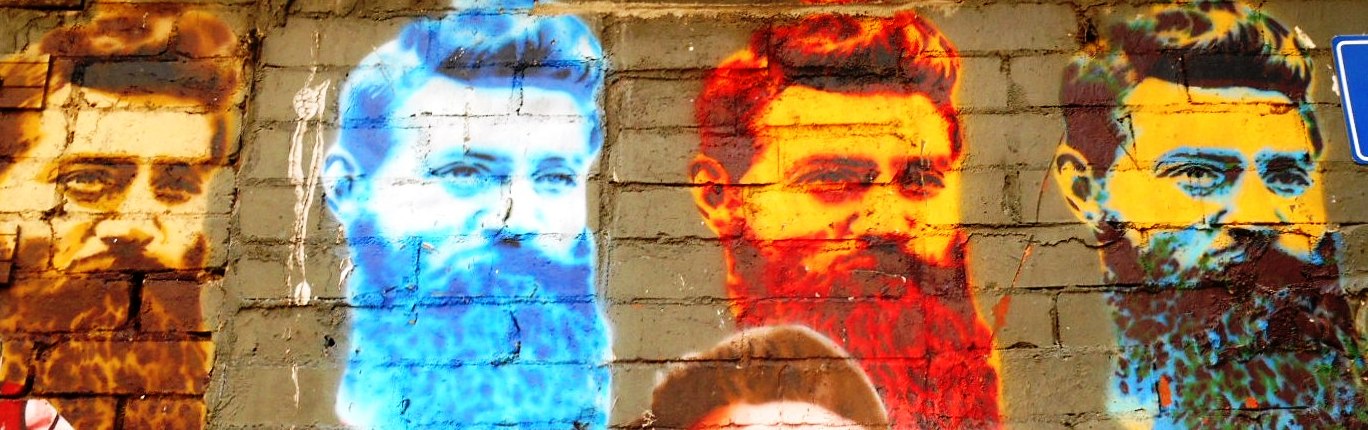
INVESTIGATE the different forms of social justice campaigns in Melbourne such as petitions, elections, marches, moratoriums, strikes, referendums, architecture, postal surveys, public art, sport, street art and even armed rebellion (Eureka) and insurrection (Ned Kelly).
DISCOVER ISSUES that have spurred Melbourne social justice campaigns such as the women’s vote, equal pay, climate, detention, eight-hour day, homelessness, racism, disability, gender equality, crime,  transportation, reconciliation, taxation, war, and artistic freedom.
AN IDENTITY that has influenced social justice is provided to each student during our school tours. 

ROUTE
We travel from Federation Square through the CBD over a two hour period. Tours norammly start from federation Square. Locations may include Federation Square, Koorie Heritage Trust, Princes Bridge, Flinders Station, St Pauls, Forum Theatre, Hosier Lane, Nicholas Buildings, Town Square, Ross House, Manchester Unity, Howey Place, Block Arcade, Athenaeum Theatre, Bourke St Mall depending on the day and times.

SEE: BOOKINGS AND PRICES – FOR INDIVIDUALS, GROUPS AND SCHOOLS
SEE: Other SCHOOL PROGRAMS

Government of the people, by the people and for the people and not one half the people.   The  ‘Monster’ suffragette petition 1891.

We swear under the banner of the Southern Cross to stand truly by each other and fight to defend our rights and liberties.      Peter Lalor swearing the Miners Oath, 1854.

‘Melbourne Walks offers a superb introduction to the history of protest and justice issues in the City of Melbourne. Our school tour was characterised by impressive and comprehensive knowledge, high levels of student engagement, good humour and practical concern for our students on a warmish afternoon. I am very comfortable in giving Melbourne Walks my unreserved endorsement.’    Sacred Heart College, Geelong.

Melbourne School Economy Tour

OUR two-hour school tour explores places in the city centre that tell historic and contemporary economic stories, showing how Melbourne’s residents and the physical city have responded to ever-changing local and global economic events over time. They tell the economic journey from our traditional owners to colonisation to gold rush to war and affluence to today’s global economy.
WE aim to make students excited about  studies of economic and business by experiencing its affects in daily life.
MELBOURNE contributes over 28 percent of Australian GDP growth. Key assets include the lanes system, fine arts, sport, food, and entertainment venues, medical facilities, construction, financial services, tourism and international education services.   It ranks 24 in the top world cities in the Global Financial Centres Index.
WHAT makes a city economically and globally successful?  How has the physical city responded to people’s economic and social needs? How do small businesses prosper? What are the City’s global economic threats and challenges including climate change?
STUDENTS assume an historic identity for the duration of the tour. See historic identity

ROUTE
Our tours normally start and finish at Federation Square www.fedsquare.com  Locations we visit can vary with weather, time and construction but
may include  Federation Square (carbon neutral, cultural hub), Hosier Lane ( tourism, social enterprises), Flinders Lane (textiles and globalisation), Hosier (Street Art, Wellbeing) Cathedral Arcade (Bohemian Index), BHP Billiton (mining) 260 Collins (retail), 333 Collins (banking), Royal Arcade (small business), Swanston Mall, Town Square (Melbourne Metro) and other key locations in the  CBD that tell the economic story.

SEE: Our other SCHOOL PROGRAMS

SEE: BOOKINGS AND PRICES  –   FOR INDIVIDUALS, GROUPS AND SCHOOLS

‘The Economic tour was extremely educational and engaging. A great experience for students and teachers.  Both students and teachers gained a lot of knowledge. Will definitely be back again. Many thanks for the amazing tour guides.’
Mt Hira College

The students were thrilled with the tour and the depth of material provided during our walk through the CBD. The variety of stops, sites and activities were diverse and engaging. The social enterprises contrasted with profit enterprises were a fantastic contrast for the students to observe different views on wealth and opportunities for growth.
SOSE Coordinator, Year 12, St Mary MacKillop College.

On behalf of my team and students, I would like to say a huge thank you for providing us with such a fantastic experience walking around Melbourne and learning about the economy and business in relation to the formation of our great city. You made learning about this topic engaging and entertaining, pitching the information to our 5/6 students in a way that they could understand and make connections with.
St Joseph’s, Mernda.

PLACES:

The transforming city:
Approximately 30 years ago, there were 400 residents in the city centre. Today there are 55,000 residents and up to a million visitors a week.  Voted seven times the world’s most liveable city. What is going on here?

Federation Square:
a. Meeting place hub. The piazza Nearamnew celebrates two nations Australian and Kulin. One founded on a global sheep trade and global movements of people. The other a single ancient nation with internal trade. One founded on industrial revolution and individual acquisition. The other on communalism and self-sufficiency.
b. Cultural and communications hub. Institutions of the square include NGV, ACMI, SBS , Atrium, Koorie Heritage Trust, BMW Edge, The plaza screen, Visitors Centre, Birrarung Marr. It also links to the MCG. Tourism and arts are huge economic drivers.
c. Climate change is a major challenge to Melbourne’s econdomic future with the city population doubling in the next 20 years. Federation Square is leading the way, it became carbon neutral in 2016.

Flinders Street Station:
First steam train 1854. Communications hubs are economic drivers in a vast country and small population. 800,000 visitors a day. Public transport crisis due to lack of past investment. 

Port Phillip Arcade:
Will be destroyed by 2018 for a massive $9b underground metro 2018-26. Cities need continual reinvestment of infrastructure.

St Pauls Cathedral:
Eureka demonstrations. Gold as a driver of immigration and wealth acquisition. Movements of people and capital. The Churches have huge economic holdings in property and shares used to deliver social services across Australia including nursing homes and schools. The value of volunteers in Victoria is equivalent to  to 400,000 jobs and over 17b dollars. 

Young and Jackson/Batmans home:
Melbourne Treaty. Land as individual property vs land as communal and sacred. Immigration as a driver of construction and property values. 

Hosier/Flinders Lane:
Demise of textile industry due to globalisation and tarrif removal. Old industries replacing new industries. The Arts industry. Art as promoter of safety and industry in the lanes.  Homelessness services: social services are 19% of the economy. How can disparities of wealth affect social conflict and the economy? The economic value of walking cities and connectivity.

BHP, Collins Street:
First six-star Green office building in Victoria. Based in Melbourne BHP is the worlds largest miner
 and has operated in England, Colombia, South America, Canada, South Africa, Australia, Brazil, Suriname and New Guinea. Its Charter includes sustainability and environmental responsiveness.

Melbourne Town Hall:
The City of Melbourne is home to Australia’s most culturally diverse communities – 140. It attracts the largest proportion of international overseas immigrants (48,000) since 2006. How is Immigration  an economic driver? How do migrants foster global relations? The City of Melbourne has an area of 36 square km with 130,000 residents.  How do democracies foster economies? The City Crest: the economic city founding.

Nicholas building:
Bohemian Index theory Richard Florida. Art as an economic driver.

Degraves and Centre Place:
Restructuring the  lanes system for to promote venues or ‘piazzas’ for pedestrians accessing small businesses such as food, culture, retail, tourism. Walking is a key to economically successful cities. 

 271 Collins St/333 Collins:
Melbourne is home to two of Aust biggest four banks ie NAB and ANZ. The Great Crash 1893 .  Depressions are a severe downtown in the economy. Responsible banks are essential. They loan money for businesses and individuals to buy goods such as cars and homes which grows the economy. 

St Collins Lane:
Retail businesses of the future. How does a 21 millennium building compare to the 19thC Block Arcade.

Block and Royal Arcade:
Role of citizen meeting places in successful cities. 
Fashion and food as economic drivers. Gold diverted into property. The scales: changes from Imperial systems.  What makes a small business successful? 

GPO:
Communication systems in an economy. H & M – a global youth market.

Bourke Street Mall/Hoddle Street Grid:
Walkability is a key feature of liveable and viable cities. There is a a direct link between a city’s economic prosperity and a safe convenient pedestrian experience. View: Melbourne has an automated pedestrian counting system in real-time. People who walk buy from local businesses. Citizens who give back – Sidney Myer.

Trams:
Say hello to electric cars – the world’s largest urban tram network.  203.8 million passenger trips in 2015-16. How can old technologies foster new economies? 

Coles Book Arcade:
Reading and education foster skills. 30,000 International students contribute to the economy. Melbourne in 2015-16 was ranked 2nd best city in the world for International students after Paris.  There are at least 3 universities in the heart of the CBD. 

Manchester Unity:
The citizens’ response to depressions. Corporate citizenship.

ANZ Gothic Bank/Stock Exchange/Banking Museum:First stock exchange in Australia 1852.

***********************************************************************************************

WHO ARE INNOVATIVE BUSINESSES AND ENTREPENEURS TRANSFORMING MELBOURNE IN 2026?

Jo Horgan, founder of Mecca Brands at 299 Bourke Street. I created Mecca to celebrate beauty as empowerment—fueling creativity, confidence, and community. Today, we’re worth over $1.5 billion.

Simon Beard, co-founder of Culture Kings with Tahnee. From Emporium Melbourne and Hosier Lane, we built a streetwear empire that blends fashion, music, and culture. We’re now valued at $600 million.

Jack Zhang, CEO of Airwallex at 15 William Street. I’m passionate about reshaping global finance—making cross-border payments seamless for businesses. Our valuation has soared to $5.5 billion and rising.

David Hornery, co-founder of Judo Bank at 525 Collins Street. We’re reviving relationship banking for SMEs—backing real businesses with real people. Listed on the ASX, we’re worth around $1.6 billion.

 Paul Perreault, CEO of CSL Limited at 655 Elizabeth Street. We innovate to save lives—developing vaccines and therapies that protect millions. Our market cap now exceeds $130 billion.

I’m Nick Molnar, co-founder of Afterpay, now part of Block Inc. From 800 Collins Street, we reimagined consumer finance—giving people control and flexibility. Our acquisition was valued at $39 billion.

Melanie Perkins, co-founder of Canva. Though our Melbourne team is remote, our mission is global: to make design accessible to everyone. We’re now valued at $26 billion.

Andrew Bassat, co-founder of Seek. We help people find purpose through meaningful work—connecting talent with opportunity. Our company is worth over $7 billion.

Owen Wilson, CEO of REA Group at 511 Church Street. We help Australians find homes and investment dreams—driving innovation in property tech. Our market cap is around $18 billion.

I’m Cameron McIntyre, CEO of Carsales.com.au at 449 Punt Road. We transformed how Australians buy and sell vehicles—making it smarter, faster, and easier. Our valuation sits near $7 billion.

Collis Ta’eed, co-founder of Envato at 121 King Street. We empower creatives with digital tools—from templates to music—fueling global innovation. Our business is valued at over $100 million.

Leigh Jasper, co-founder of Aconex. Born in Melbourne, we built a platform that revolutionized construction collaboration. Oracle acquired us for $1.6 billion—but our impact continues to build.

Ben Trinh, co-founder of Edrolo. We’re transforming education with interactive learning—giving students and teachers tools to thrive. Our valuation is over $50 million.

I’m Riley Pateras, co-founder of Heidi Health. From Melbourne’s startup scene, we use AI to support doctors—freeing time for care, not paperwork. We’ve raised over $5 million.

Robert Giles, CEO of SPC at 171 Collins Street. We’re reimagining food manufacturing—combining tradition with innovation and sustainability. Our worth exceeds $100 million.

Bennett Merriman, co-founder of Rosterfy at 10 Queen Street. We streamline volunteer management for global events—empowering communities through smart tech. We’ve raised $8.5 million to date.

Tom Hain, co-founder of Marqo. From Melbourne’s tech precinct, we’re building smarter search powered by AI—making information more intuitive. We’ve raised $18.4 million.

James Nguyen, founder of InfinityStakeChain. From Melbourne’s crypto hubs, we’re unlocking decentralized finance—giving users control and yield. Our valuation is $12 million.

I’m Daniel Pilbrow, CEO of Kismet in Carlton. We simplify aged care and NDIS access—making support systems more human. We’ve raised $16.5 million to serve those who need it most.

Alex Lee, founder of VaultEscrow. From Melbourne’s blockchain incubators, we’re bridging fragmented crypto ecosystems—building trust in decentralized finance. We’ve raised $8 million.

Nick Hinsley, co-founder of Zitcha at 101 Collins Street. We help retailers monetize their media—turning digital channels into revenue engines. Our valuation is nearing $10 million.

 James Campbell, founder of Firmable in Cremorne. We deliver B2B intelligence that drives growth—helping businesses understand and connect with each other. We’ve raised $9 million.

 Joel Latham, CEO of Incannex Healthcare at 100 Collins Street. We’re pioneering psychedelic therapies for mental health—bringing science and hope together. Our market cap is $100 million.

Arthur Naoumidis, founder of DomaCom at 446 Collins Street. We make property investment accessible—fractionalizing ownership for everyday Australians. We’ve raised $4 million.

Dr. Christophe Demaison, co-founder of Ena Respiratory. From Melbourne’s biomedical precinct, we’re developing nasal sprays to prevent viral infections—protecting public health globally. We’ve raised $4.4 million.

 Ron Barassi AFL legend and entrepreneur, Ron Barassi contributed to Melbourne’s sports culture and youth development through leadership programs and community engagement.

Jan Owen A social entrepreneur. Jan Owen has led initiatives in Melbourne’s CBD supporting youth innovation, education, and social enterprise.

Naomi Milgrom Fashion entrepreneur and arts patron, Milgrom funds the MPavilion in Queen Victoria Gardens, enriching Melbourne’s public art and architecture.

Eddie McGuire Media entrepreneur Eddie McGuire has boosted Melbourne’s media and sports profile through ventures based in Docklands and the CBD.

Susan Alberti Philanthropist and businesswoman, Alberti supports diabetes research and women’s sport. Her contributions are celebrated through events and foundations in Melbourne.

Tan Le Founder of Emotiv, Tan Le has participated in Melbourne’s tech ecosystem through neurotechnology innovation and public speaking.

Jane Martino Co-founder of Smiling Mind, Martino runs mental health programs in Melbourne schools and workplaces, promoting mindfulness and wellbeing.

Steve Vallas Blockchain entrepreneur, Vallas founded the Blockchain Centre on Queen Street, advancing Australia’s crypto and fintech sectors.

Kylie Kwong Chef and sustainability advocate, Kwong contributes to Melbourne’s culinary scene through events promoting Indigenous ingredients and ethical sourcing.

Simon Holmes à Court Clean energy entrepreneur Holmes à Court engages in climate innovation and policy advocacy through forums held at Melbourne Town Hall.

Gerry Ryan Founder of Jayco, Ryan supports Melbourne’s cycling events and tourism, contributing to sport and manufacturing industries.

Carol Schwartz Chair of the Trawalla Foundation, Schwartz hosts philanthropy forums in Melbourne’s CBD, promoting gender equity and civic leadership.

Andrew Bassat Co-founder of SEEK, Bassat operates from Cremorne near the CBD. He revolutionized job search platforms and supports tech startups.

Paul Little Former CEO of Toll Group, Little has invested in logistics infrastructure and arts patronage in Melbourne.

RMIT Entrepreneurs Based at RMIT University on Swanston Street, these innovators incubate startups in tech, fashion, and design, fueling Melbourne’s innovation economy.

Christine Holgate Former CEO of Australia Post, Holgate led major reforms and digital transformation from Melbourne’s headquarters.

Alan Finkel Former Chief Scientist, Finkel has contributed to Melbourne’s science and innovation policy through advisory roles and public engagement.

Elaine Canty Broadcaster and advocate, Canty has supported Melbourne’s arts and media landscape through leadership and mentorship.

Vida Goldstein A pioneering suffragist and reformer, Vida Goldstein campaigned in Melbourne and laid the groundwork for gender equality. She is commemorated through educational programs and public memorials.

Sidney Myer Founder of Myer department stores, Sidney Myer’s flagship store at 314–336 Bourke Street remains iconic. His foundation supports arts, education,

CSL (Commonwealth Serum Laboratories) Located at 655 Elizabeth Street, Parkville, CSL is a global biotech leader. It has invested heavily in R&D and infrastructure, producing vaccines and treatments that benefit Australians and the world.

We’re Alex and Georgie Cleary, who launched Alpha60 to bring avant-garde fashion to Melbourne’s streets. From our headquarters at 201 Flinders Lane, we’ve built a brand that champions sustainability and supports local artists. Our financial investment in the creative economy has helped shape Melbourne’s identity as a fashion-forward city.

Macpherson Robertson – MacRobertson’s Chocolates
I’m Macpherson Robertson, born in 1859. My creations—Freddo Frog, Cherry Ripe—became household names. But my legacy goes beyond sweets: I funded MacRobertson High School,  MacRobertson bridge and even Antarctic expeditions. I believed in reinvesting wealth into the nation’s future. Born: 6 September 1859 – Died: 20 August 1945

Mary Reibey – Woman on the $20 note
I was a former cross-dressing horse thief convict turned merchant, I helped lay the foundations for Australian banking and commerce. My financial acumen and resilience paved the way for women in business, and I’m proud to be remembered as a pioneer. Born: 12 May 1777 – Died: 30 May 1855

Axil Coffee Roasters, 76 Flinders – David Makin
I’m David Makin, and I founded Axi Coffee Roasters at 76 Flinders Lane to elevate Melbourne’s coffee scene. We’ve created jobs, supported ethical sourcing, and built a loyal community around quality coffee. Our financial success has fueled local employment and helped define Melbourne’s café culture.

Ned Kelly – Cultural Icon, Forum, Athenaeum theatres
My story lives on in Melbourne’s tourism economy. The Old Melbourne Gaol, where I was held and executed, draws thousands of visitors each year. My mythologized legacy contributes to the city’s cultural narrative and economic vitality through tourism. Born: June 1855 – Died: 11 November 1880

The Big Issue – Steven Persson. I’m Steven Persson, and I brought The Big Issue to Australia to create employment opportunities for people experiencing homelessness. From our Melbourne office we’ve generated millions in income for vendors and raised awareness about poverty and social exclusion.

Sidney Myer – Myer Department Stores. I founded Myer with a vision to blend commerce and community. Our flagship store at 314 Bourke Street became a Melbourne icon. Through the Myer Foundation, our family supports the arts, education, and social equity. My financial success was always meant to uplift others. Born: 8 February 1878 – Died: 5 September 1934

Michael Long – Michael Long Foundation, Fed Square After helping Essendon acheve two premierships, I founded the Michael Long Foundation to empower Indigenous youth through education, sport and leadership. Through AFL events and advocacy, we’ve driven social change and reconciliation, while investing in future generations.

Vida Goldstein – Suffragist and Reformer 1869-1949, Fed Square campaigned in Melbourne for gender equality, and I’m proud of the reforms I helped ignite. My work laid the groundwork for women’s political participation and social reform. Today, my legacy lives on through educational programs and public memorials that continue to inspire change. Born: 13 April 1869 – Died: 15 August 1949

CSL – Commonwealth Serum Laboratories, Nicholas Building We’re CSL, founded in 1916 to serve Australia’s public health. From our headquarters at 655 Elizabeth Street, Parkville, we’ve grown into a global biotech leader with 25,000 employees Our investments in research, infrastructure, and vaccine development have saved lives and strengthened Australia’s medical capabilities. Organization-led; not tied to a single founder(Continued)

RMIT University – Francis Ormond I’m Francis Ormond, and I founded what would become RMIT University to provide practical education for working Australians. From our central campus at 124 La Trobe Street, we’ve educated generations of innovators and professionals. My financial contributions helped establish a legacy of accessible learning that continues to shape Melbourne’s workforce. Born: 23 November 1829 – Died: 5 May 1889

Melbourne City Mission – Hester Hornbrook I’m Hester Hornbrook, and I helped establish Melbourne City Mission to support vulnerable youth and families. Though not a traditional entrepreneur, my social enterprise laid the groundwork for community care in the CBD. Our programs have empowered thousands, and our presence in Melbourne continues to drive social equity. Born: 1820 – Died: 1875

I’m John Sumner who founded Melbourne Theatre Company to bring world-class drama to the city. From our home at Southbank Theatre, 140 Southbank Boulevard, we’ve enriched Melbourne’s cultural life and employed thousands of artists and technicians. Our financial impact on the arts sector is matched only by our social influence. Born: 27 December 1924 – Died: 24 May 2013

Melbourne Symphony Orchestra – Alberto Zelman Jr. I’m Alberto Zelman Jr., and I helped establish the Melbourne Symphony Orchestra to elevate Australia’s musical landscape. Our performances at Hamer Hall, 100 St Kilda Road have inspired generations and contributed significantly to Melbourne’s cultural economy. Born: 1874 – Died: 1927

Melbourne International Comedy Festival – Barry Humphries I’m Barry Humphries, and while I didn’t found the festival myself, my character Dame Edna helped shape its identity. The Melbourne International Comedy Festival, headquartered at Level 3, 240 Exhibition Street, has become one of the largest in the world—boosting tourism and supporting countless performers. Born: 17 February 1934 – Died: 22 April 2023

I’m Lesley Dimmick, and I helped launch the Melbourne Fringe Festival to give independent artists a platform. Fom our base at Level 2, 10 Russell Street, we’ve supported thousands of creatives and contributed to Melbourne’s reputation as a global arts capital. Birth date not publicly available

Melbourne Writers Festival – Rosemary Cameron

I’m Rosemary Cameron who helped shape the Melbourne Writers Festival into a celebration of literature and ideas. Our events across the CBD have brought together authors, thinkers, and readers—fostering dialogue and cultural exchange while supporting the publishing industry.

Melbourne Fashion Festival – Graeme Lewsey who led the Melbourne Fashion Festival to showcase Australian design talent. From our headquarters at Level 1, 546 Collins Street, we’ve driven economic growth in fashion retail and promoted sustainability and innovation in the industry.

Melbourne Food and Wine Festival – Peter Clemenger helped establish the Melbourne Food and Wine Festival to celebrate Victoria’s culinary excellence. Our events across the CBD have boosted hospitality revenue and positioned Melbourne as a global food destination.


See Prices & Bookings
MELBOURNE WALKS GIFT VOUCHERS

GIFT VOUCHERS are available from Melbourne Walks and are valid for 12 months.  This enables a private group of up to four people, or fewer, to choose any one of our fifty general tours (2.5 hours) at a time and date of their choice, subject to arrangement. Vouchers can also be purchased for larger groups.  Vouchers cannot be extended beyond 12 months and are not redeemable for cash. Our wide range of tours can be found on  www.melbournewalks.com.au

For more than four people please contact us for a quote.

To arrange a voucher please email us at melbwalks@gmail.com or via  CONTACT US  

See Prices & Bookings
Melbourne Multicultural School Tour

EXPLORE the City of Melbourne, the home of one of the world’s most harmonious and
culturally diverse communities. Residents from  200 countries live side by side, speaking over 233 languages and dialects and following 116 religious faiths. H
alf of Melbournians were born or have a parent born overseas. Melbourne’s sister cities include Tianjin, Thessaloniki and Milan. Melbourne is also home to one of the largest populations of Chinese citizens outside China.  Then there are the 3000 restaurants serving 70 national cuisines!

OUR two-hour walking tour from Federation Square to QV Centre 210 Lonsdale Street, (or alternatively from the immigration Museum) explores how Melbourne cultures have evolved before and after colonial settlement through five post-Indigenous waves of immigration including United Kingdom, Chinese, Greek, Italian, Vietnamese and other cultures and how they are expressed through Multiculturalism today.  We do a range of engaging hands-on activities. This can include options of dried multicultural food snacks but ONLY through teachers with their prior approval. We also assign historic identities to each student.

STUDENT TRANSPORT:
Trains run to  Flinders St Station opposite Fed Square. There is bus parking on the east side of Federation Square and bus parking outside the QV Centre, 210 Lonsdale Street  (corner Swanston) which is also near Melbourne Central Station.  Free trams also run back to Fed Square.

SEE: BOOKINGS AND PRICES  
SEE: Our many OTHER SCHOOL PROGRAMS

I have had fantastic feedback from my staff who attended our three Multicultural tours. They thought all three guides were very engaging for our Year Nines, which isn’t easy!!
Pt Cook College.

All of my feedback is extremely positive; my fifty Grade Six students and I loved the experience.
Wattle Park Primary.

I would like to thank you for providing such a fantastic multicultural and tourism tour for the year four students. I was utterly impressed with how engaging you made the walk as I was a little worried it may go over their heads but in all honesty, I couldn’t fault it.
Allamanda College.

ROUTE 
We start from Federation Square which celebrates both the uniting of six British colonies in 1901 and the Kulin Nation of the First People.  We move to city locations reflecting the colonial culture of English, Welsh, Scottish, Irish settlers. At Chinatown we explore Melbourne’s oldest continuous ethnic community from the Gold Rush to vibrant precinct today.  From there we move to the Greek precinct in Lonsdale Street exploring the influx of post-World War Two immigrants. We finish at the QV Centre which celebrates the struggle of the Women’s Movement, including migrant women and is the location of housing of International students.  Two levels of adjacent food courts reflect the multicultural foods that delight Melbournians today.

ALTERNATIVE TOUR B
We have an alternative tour and route starting from the Immigration Museum for groups visiting the Museum. It travels to Enterprize Park, Enterprize Wharf, Scar Installation,  Yarra River, Multicultural Sandridge Bridge, Flinders Station, Flinders Lane, Degraves Street. It finishes either at Federation Square or returns to the Immigration Museum as requested.

WHAT ARE THE FIVE WAVES OF MIGRATION?
The First Wave was European settlement from 1835 by primarily United Kingdom (Irish, Scottish, Welsh, English) immigrants who impacted heavily on Nearam, the home of the Wurundjeri and the Boonwurrung.

The Second Wave was a flood of hopefuls from all over the world, including significant numbers of Chinese immigrants, trying their luck during the 1850s Gold Rush.

The Third Wave was post-WWII displaced people from Europe and Assisted Migrants. By 1976, 20 per cent of the Melbourne’s population spoke a non-English first language.

The Fourth Wave came post-1970s from mainly Vietnam and Cambodia.

Fifth Wave:  In more recent times, large numbers of refugeeseconomic migrants and students, have enlivened the multicultural fabric of Melbourne. 55% of students in Melbourne CBD  are International students, most from Asia. By 2016 there were 175,000 International students in Melbourne, the most popular study destination after Paris!

OTHER POPULAR MULTICULTURAL DESTINATIONS IN MELBOURNE

Little Italy (Lygon Street), Richmond) is a historic home of Italian, Lebanese and Jewish communities. They arrived primarily because of economic hardship, particularly the devastation of wartime Europe. They have contributed to Australian society in all spheres. Lygon Street exemplifies the modern European way of life we enjoy in Melbourne.

Little Saigon in Victoria Street in Richmond showcases Asian
immigration, foods, occupation and culture. The Vietnamese community began arriving in the 1970s as refugees of civil war (coining the phrase ‘boat people’) and  then family reunification.

Little Africa and Saigon Market, Footscray
A rich range of cultures has influenced Footscray over time including Horn of Africa, Asia and post World War Two European communities.


See Prices & Bookings