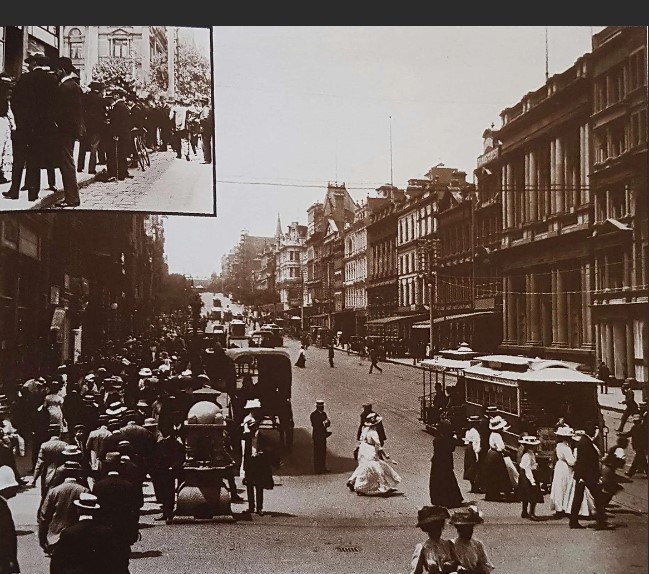
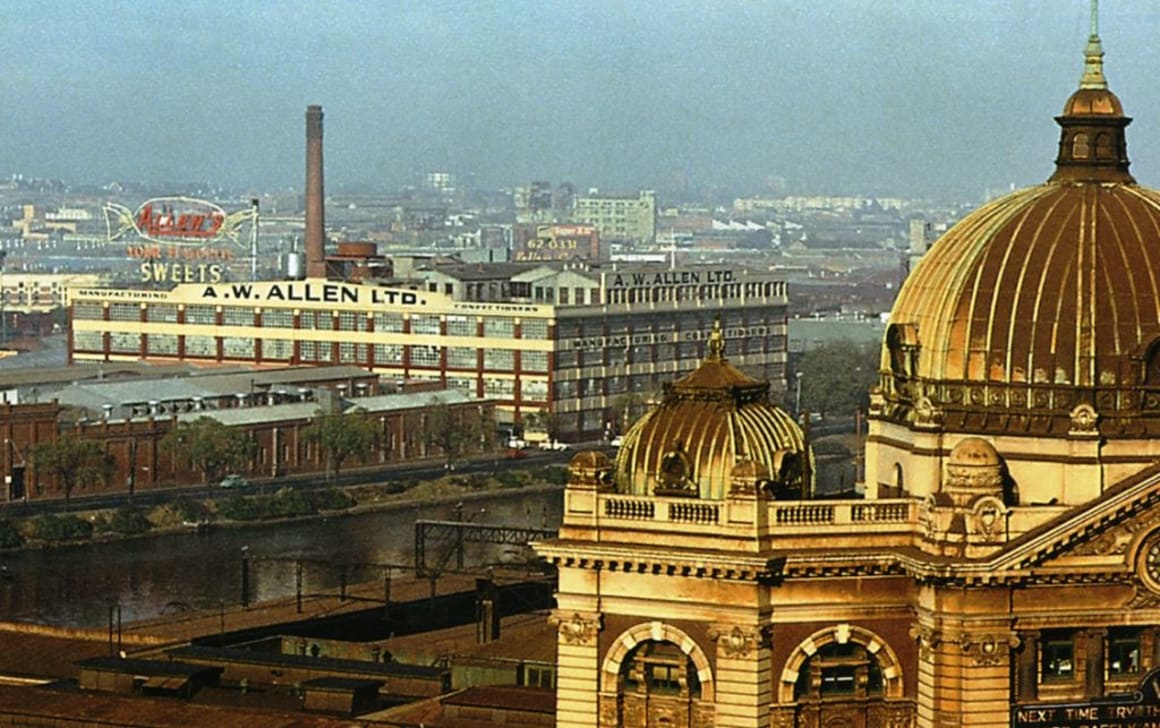
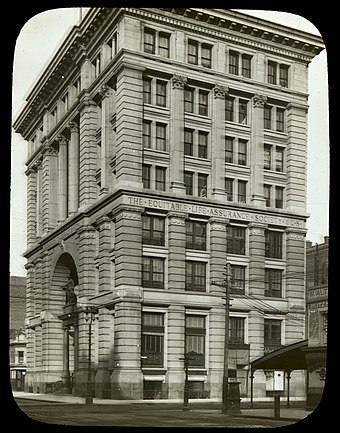
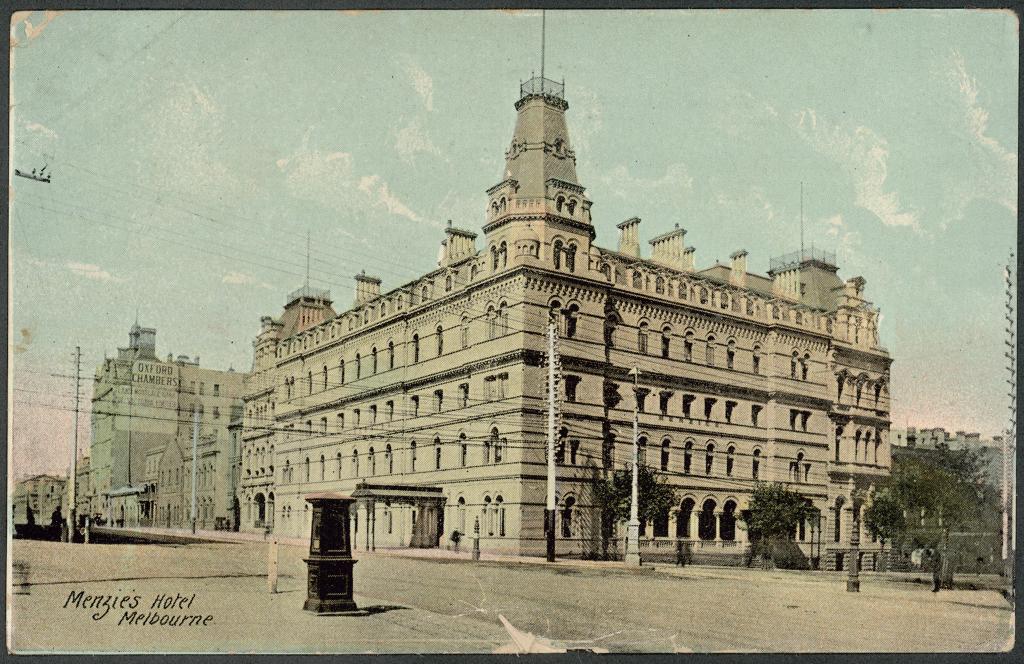
THE CITY DISCOVERY SCHOOL TOUR is a journey through the Story of Melbourne from Indigenous to European occupation to the Gold Rush to the modern city. Primary, secondary or international students take a walking tour of iconic places illustrating milestones of the Melbourne CBD. These include historic and cultural sites, landmarks, lanes and arcades, architecture, heritage, street art, historic personalities and more. OUR TWO-HOUR tours usually start and finish at Federation Square. Times and locations can be adjusted to suit. JOURNEY through the maze of landmarks, lanes, streets and buildings that reflect important events and people from traditional owners, colonial settlement, gold rush, war, boom and bust, social movements, immigration, technology and the modern city. STUDENTS assume the identity of a historic Melbourne personality for their journey through time. See:City Discovery Identities EXPERIENCE interactive activities e.g. explore buildings, handle artefacts and examine historic images. Students meet challenges in a fun way that promotes learning and questioning. OR CHOOSE one of our many alternative CBD excursions e.g. Federation, Explorer, Indigenous, Multicultural,Trade,Colonial,Community, Architecture, Science,Literature,Marvellous Melbourne,Liveability,Social Justice and more.
Students of all ages respond enthusiastically to this challenging and stimulating journey through the streets, lanes and arcades of the Melbourne CBD.
“Just wanted to say thank you so much for a wonderful tour yesterday. The students (and the adults) enjoyed it so much and found it so interesting. They really loved being a character and that made it so much more real for them” St Paul’s Primary.
“Wonderful learning opportunity.” William Angliss tertiary tourism class.
“The best tour I had ever experienced was the ‘Real San Francisco Tour’ – UNTIL I did your City Discovery Tour with our year eleven students today.” Aquinas College.
“Your tour yesterday was a fantastic opportunity for our students to actually look around Melbourne and learn about its history at the same time. They have all given back excellent feedback about the experience. The students absolutely loved when they heard information about their person that they were given as an identity. We gathered an abundant number of facts that we will collate today during class.” Wallarano College.
“We absolutely loved your walking tour. We watched the video we took yesterday, and I couldn’t believe how strong the students’ recall was – they took in all that you shared with them.” Upper Beaconsfield Primary.
The places we go tell important stories of Melbourne’s heritage. The route may vary according to time, weather, construction, age and learning goals.
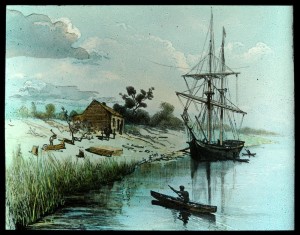
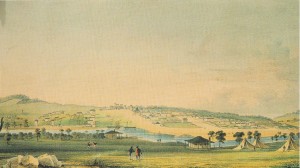
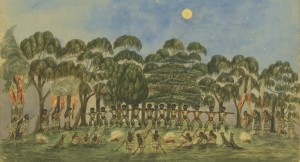
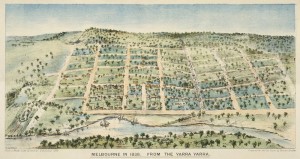
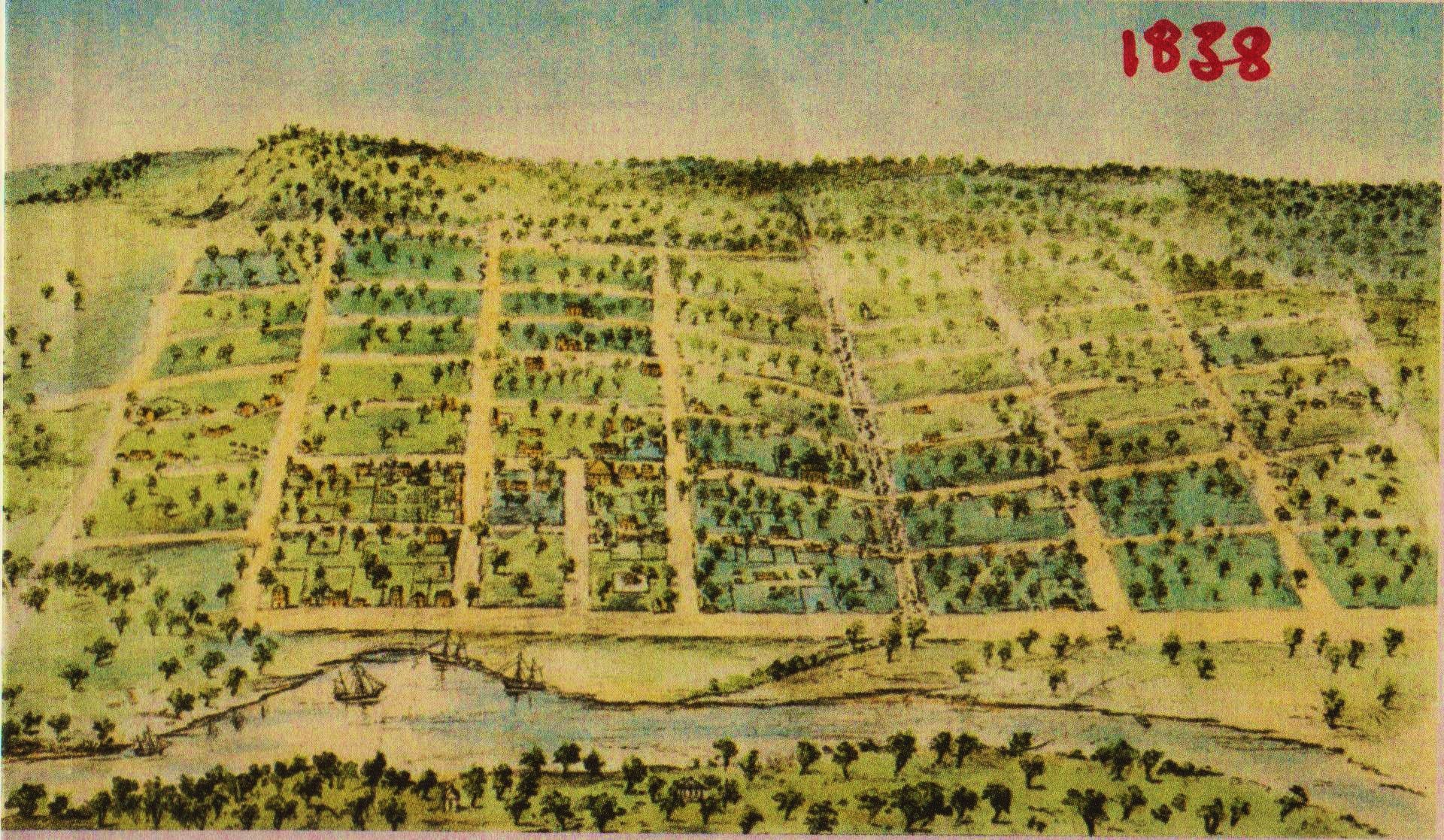
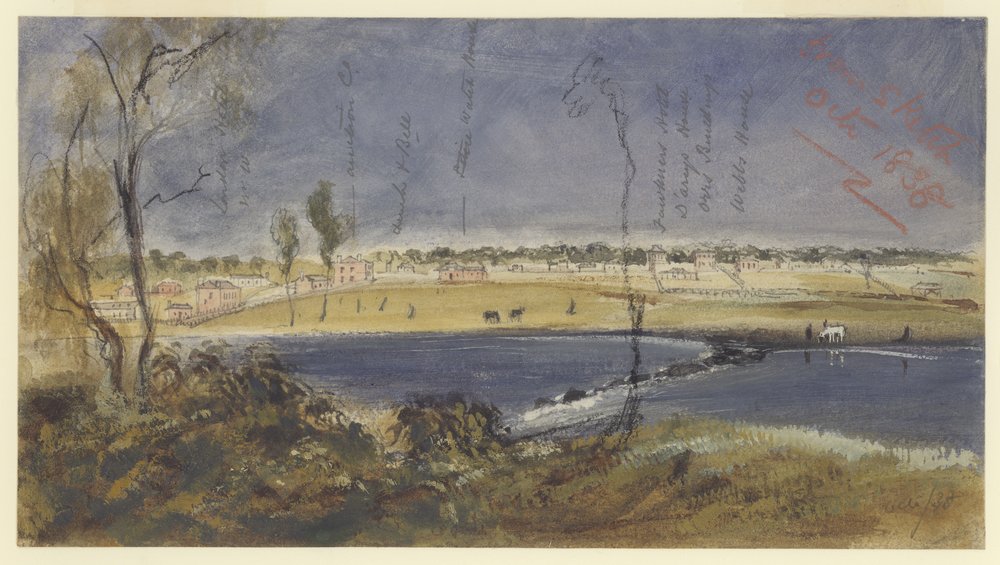
1835 – Fed Square/Yarra River: Welcome to country. Impact of settlement on Nearamnew.
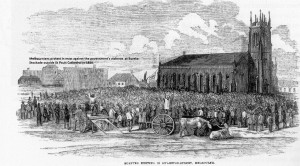
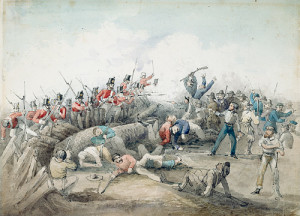
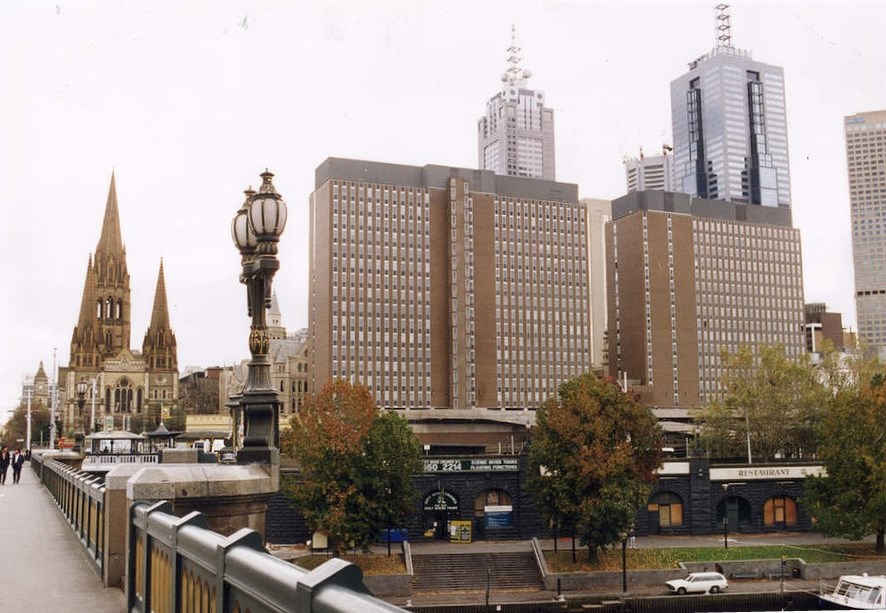
1850s to 1930 – St Paul’s Cathedral: Church of England, Eureka protests, the birth of democracy and the Gold Rush.
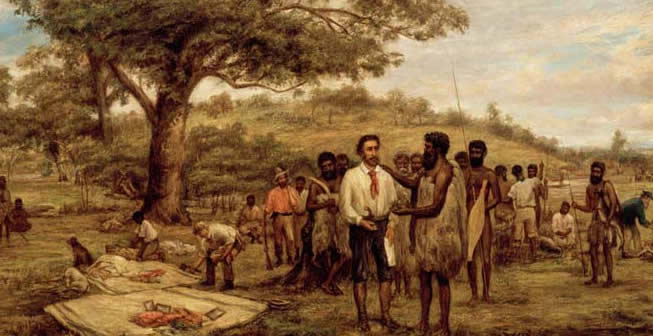
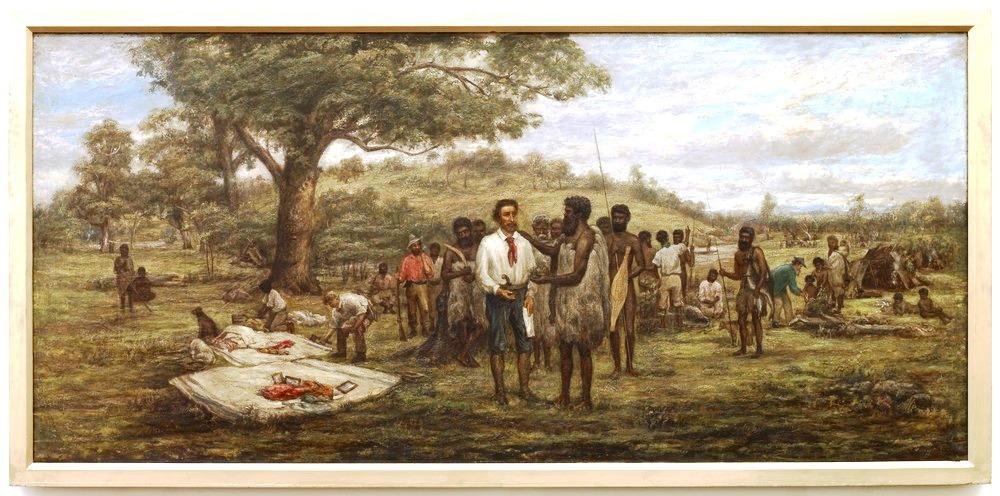
1835 – 1850 – Young and Jackson: John and Eliza Batman, The Melbourne Treaty.
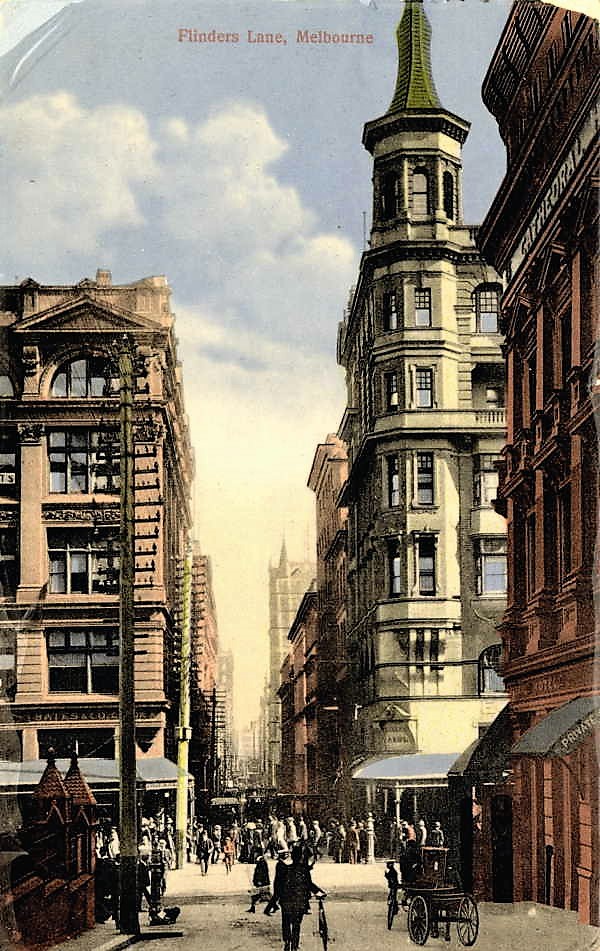
1840-1880’s – Flinders Lane: The great heritage warehouses, shipping lane
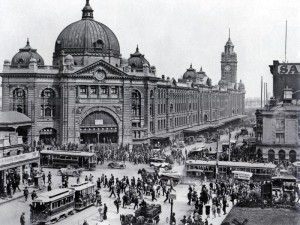
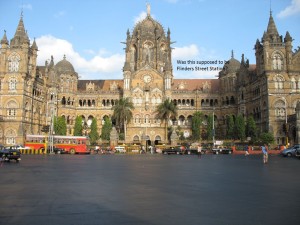
1854/1910 – Flinders Street Station: The first steam train.
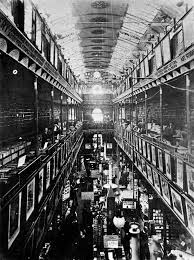
1860’s – Royal Arcade 1869: Gold rush, oldest Australian arcade, icons of Melbourne
1870s – Bank of Australasia 1872: Marvellous Melbourne Collins Street.
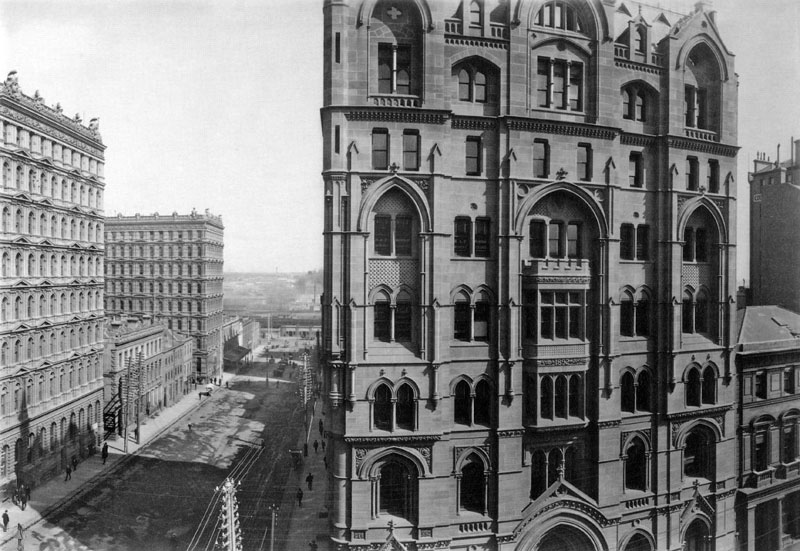
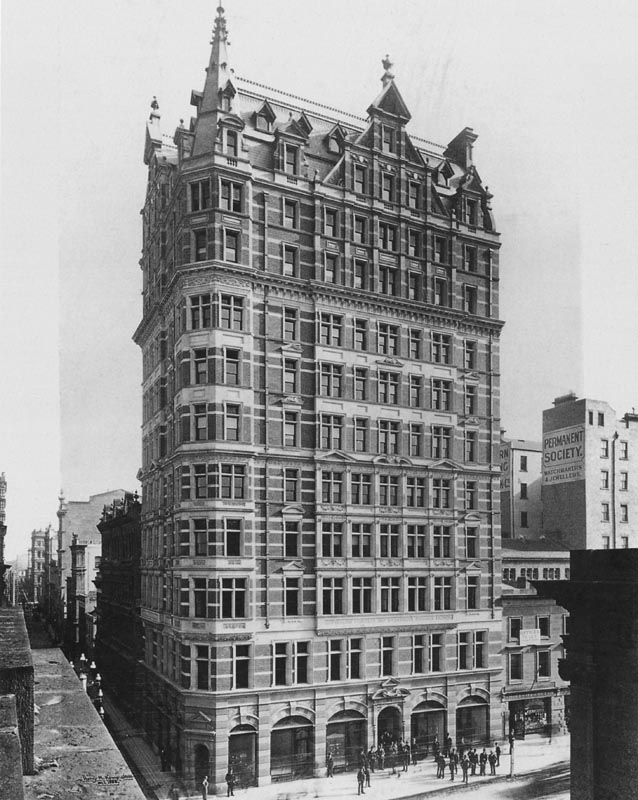
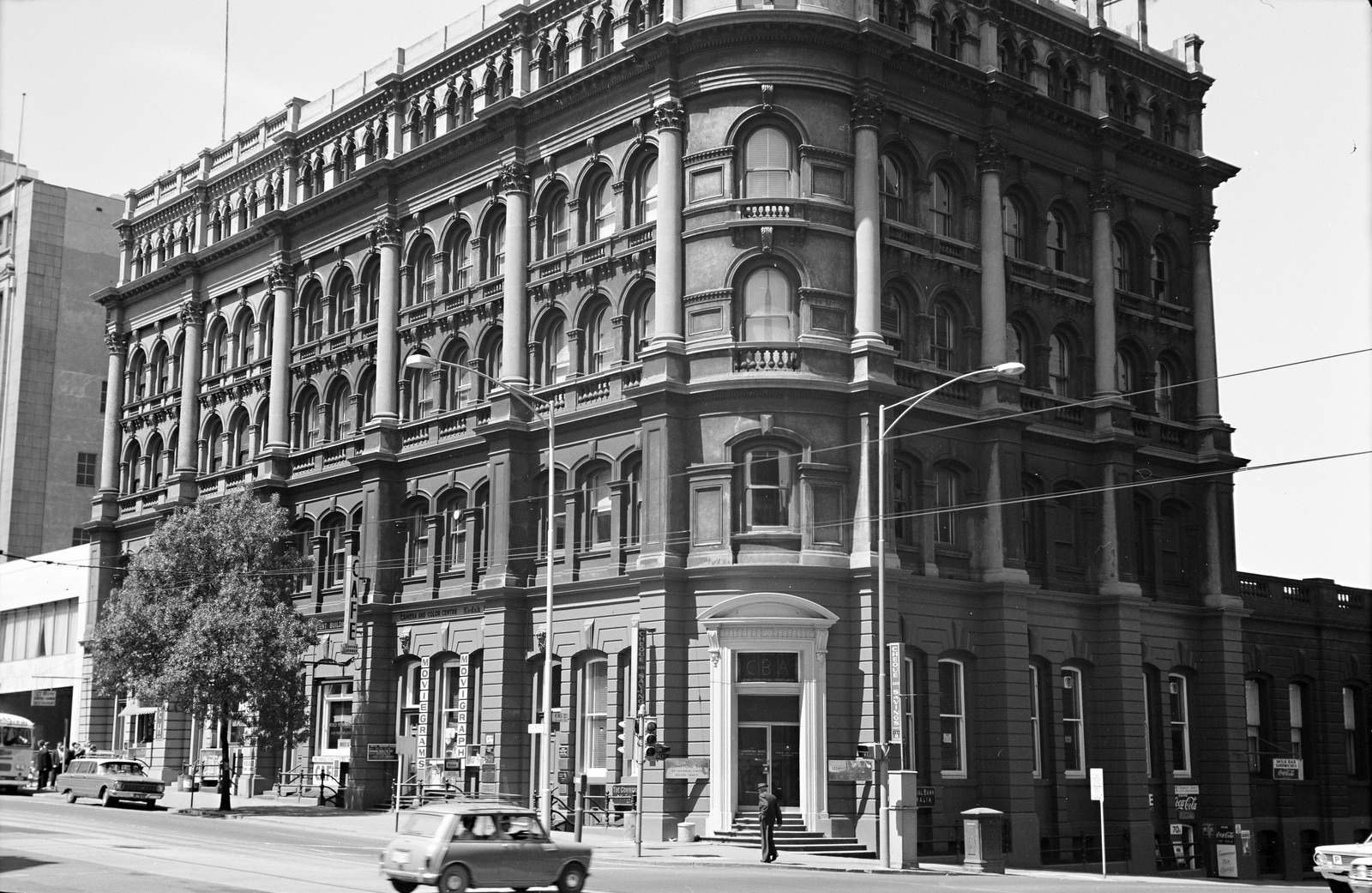
1887 – The Gothic Bank and Stock Exchange: The building of Melbourne.
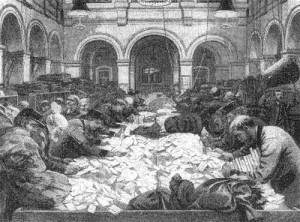
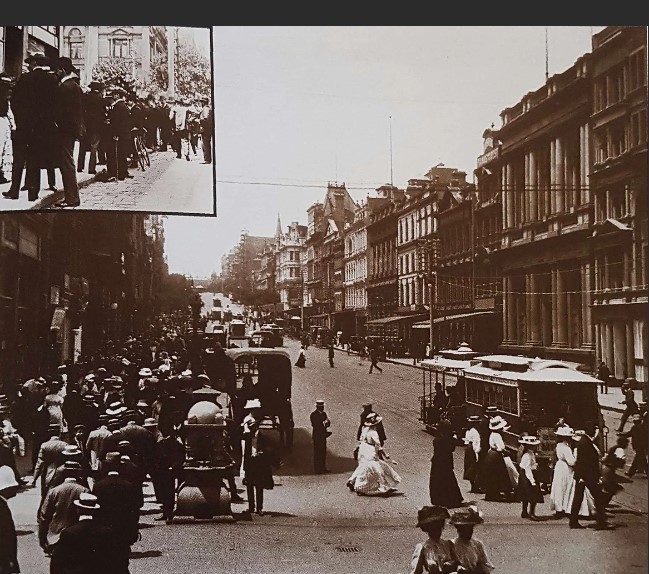
1880s -The GPO building 1886: Early communication, retail, changes in technology, retail. First trams in 1885.
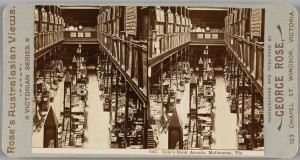
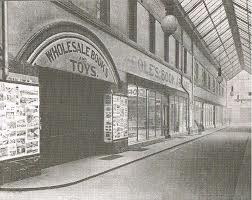
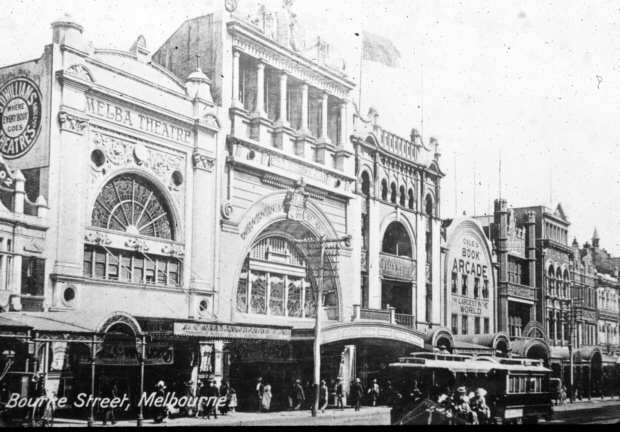
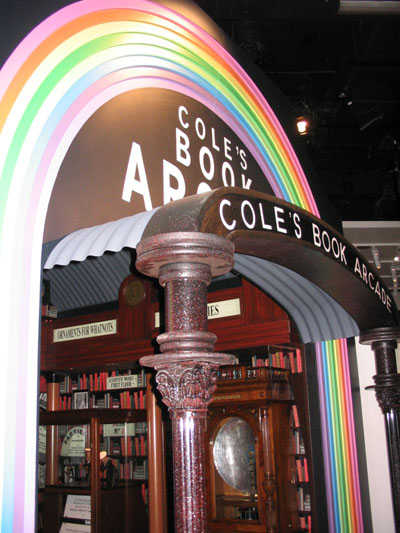
1880’s – The Coles Book Arcade: 1886 spiritualism, City of Literature 2008
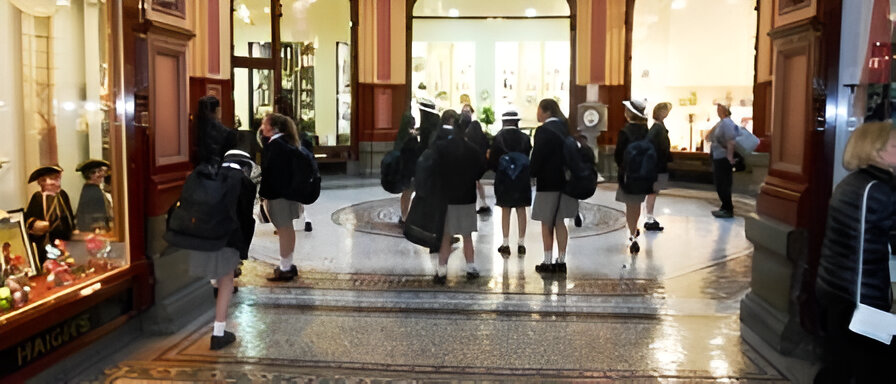
1890’s – The Block Arcade: 1891: Marvellous Melbourne promenade, Victoriana. Social life.
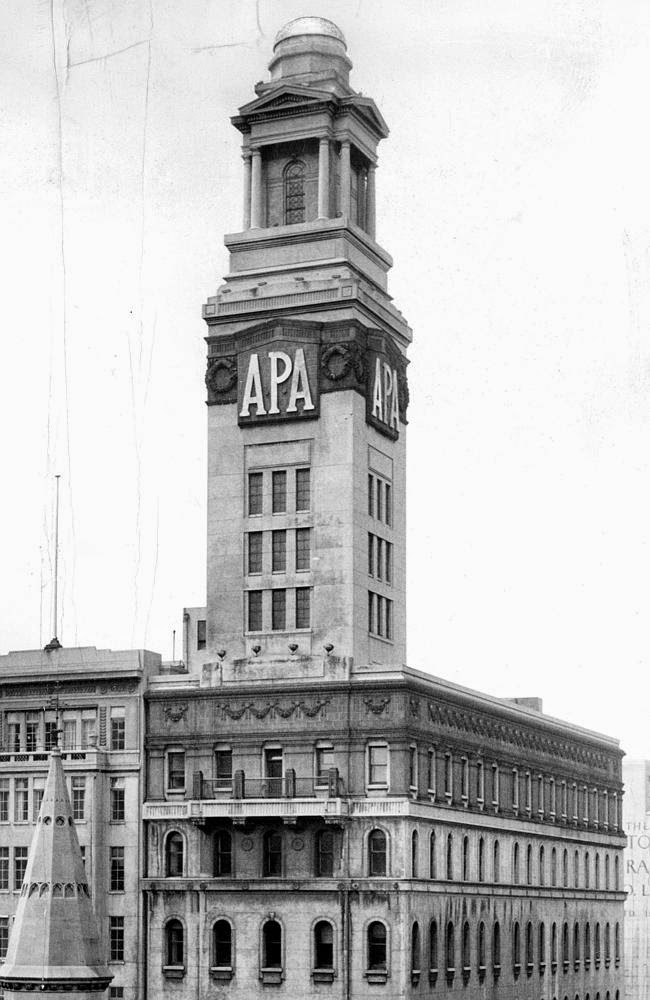
1890 – 333 Collins: The Great Dome. From Boom to Depression
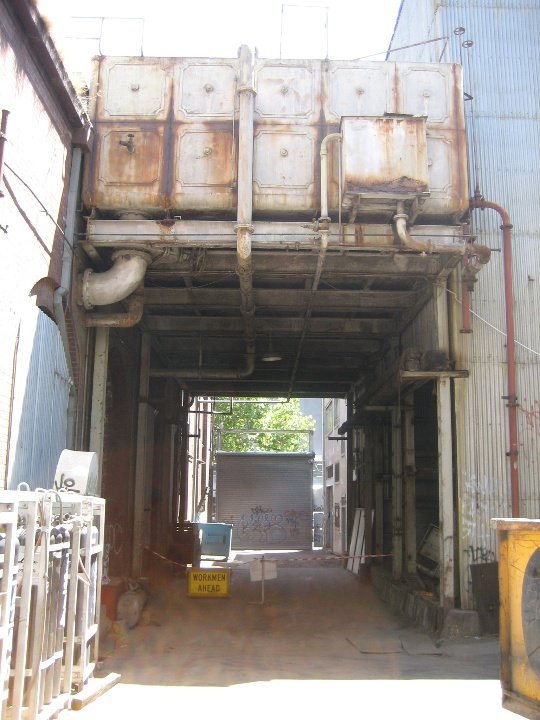
1890’s – Presgrave Lane: Marvellous Smellboom. Sewage and pollution and factories. The flight to the suburbs
1901 – Federation Square: Birth of a nation from six British colonies.
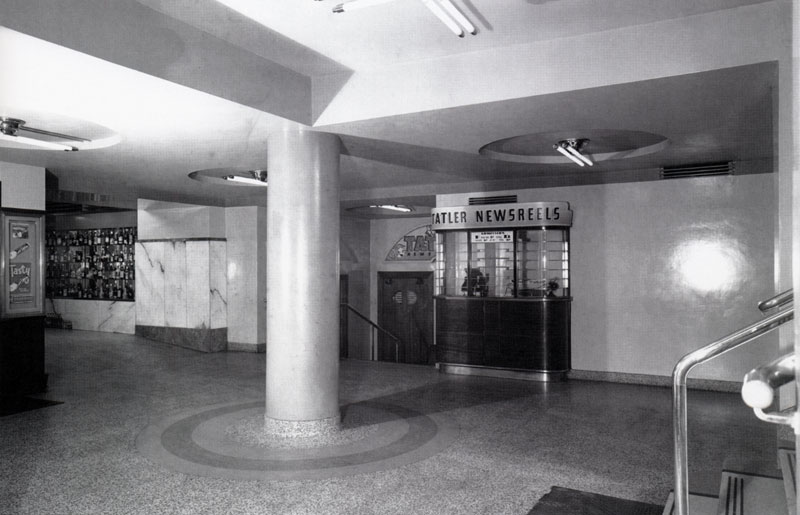
1910 – Myers 1910: Early Commerce, Art Deco.
1920s – Presgrave Lane: Squizzy Taylor and prohibition. Street art
1920’s – Nicholas Building 1927: Jazz Age. Fashion and textiles. Art Deco. The creative city.
1930’s – Manchester Unity building: 1933, The Great Depression.
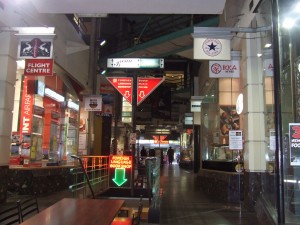
1980’s – Centreway Arcade: 1984 Architecture and Riddles. Globalisation.
1990s – Degraves Street and Centre Lane: 1990’s urban renaissance in the lanes.
2010 – City Square: Multiculturalism, Melbourne’s Sister Cities, Immigration, Metro tunnel.
2017 – 260 Collins Street: St Collins, A new Melbourne lane and architecture
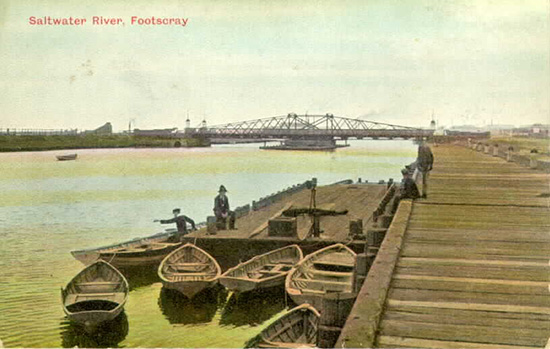
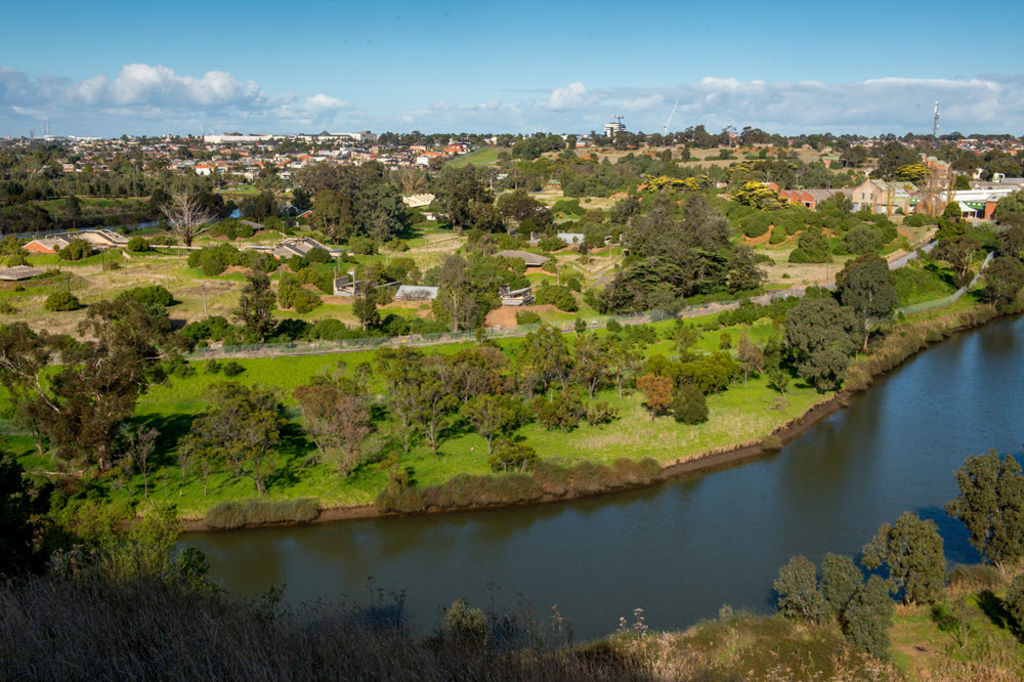
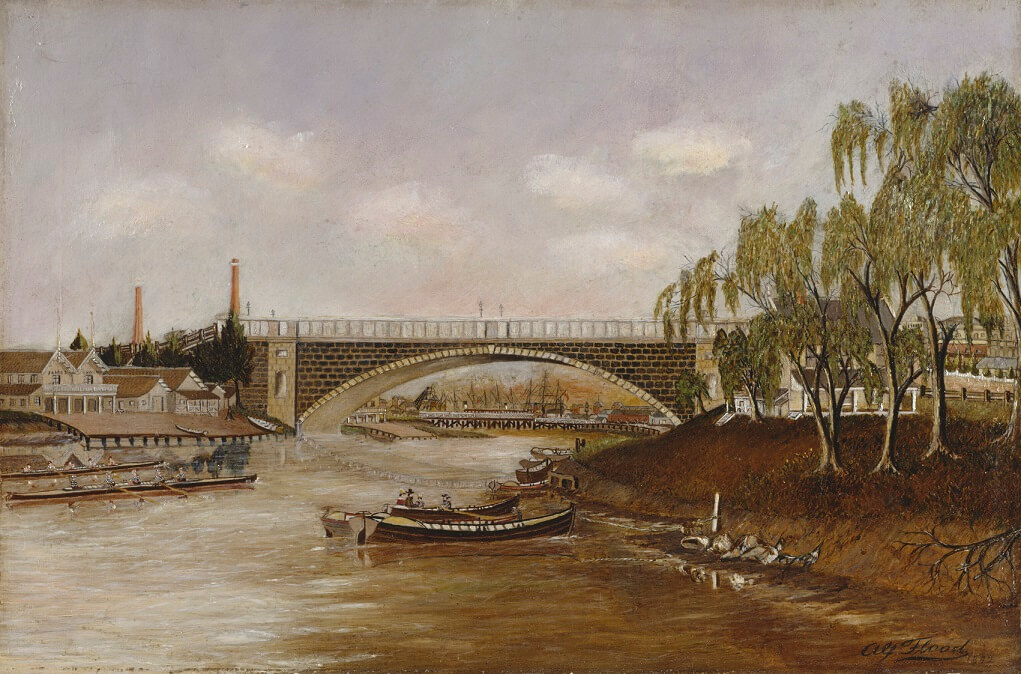
TAKE a walk exploring the features of Melbourne’s second major waterway, the Mirring-gnai-birr-nong, home to important historic and new developments. Despite being the second major waterway in Melbourne, many know little about its natural beauty and its extraordinary history. EXPLORE the rejuvenated heritage wharves area and important natural wetlands in the Saltwater Crossing precinct. LEARN about its history from geographical beginnings to traditional owners to colonists, bridges, industry, munitions, wharves and the contemporary township of Footscray. TOURS are normally 2.5 hours long. School Tours are 2 hours. See pictures.
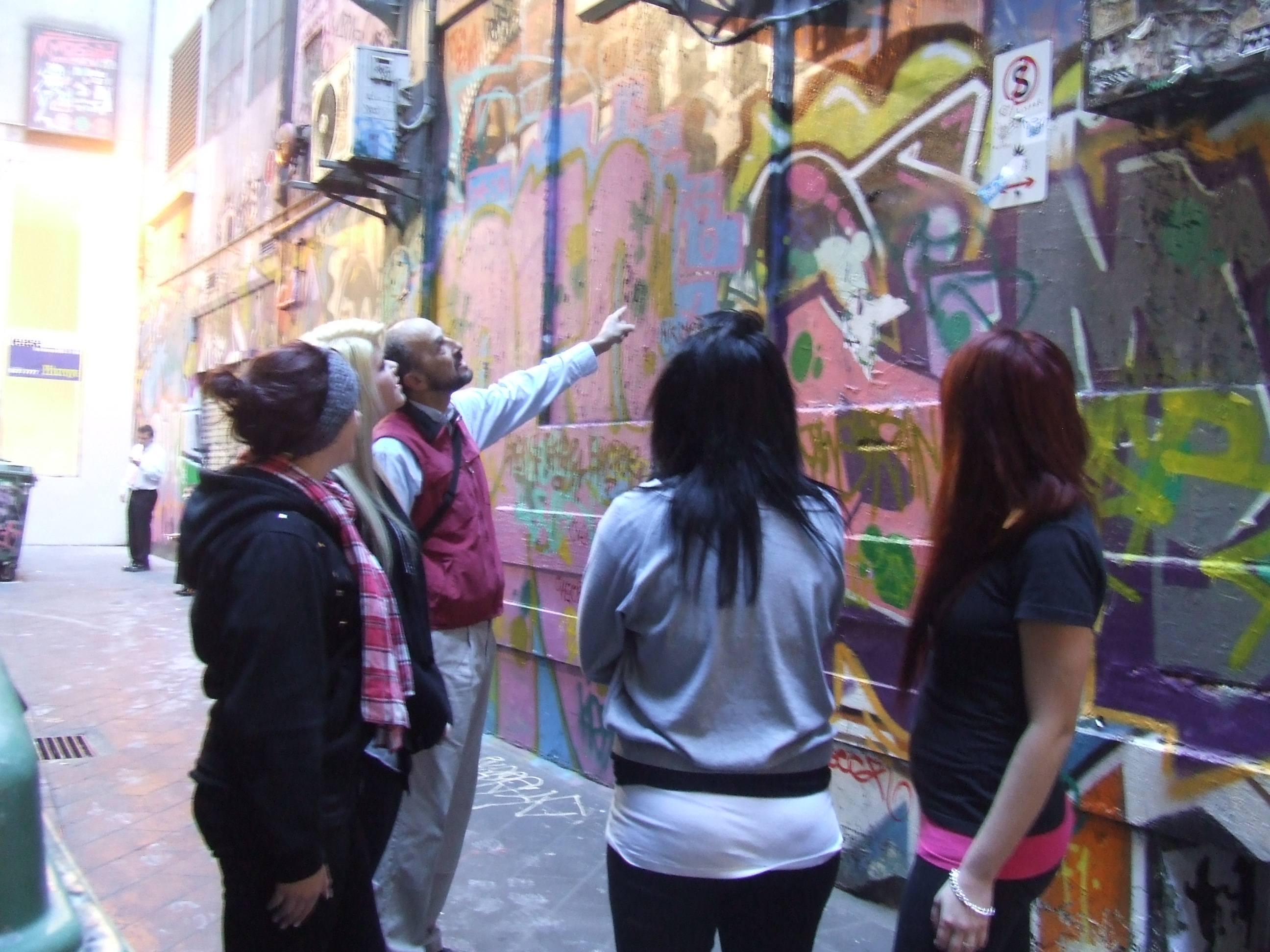
An Amazing Lanes and Arcades Tour with tourism students of William Angliss Institute.
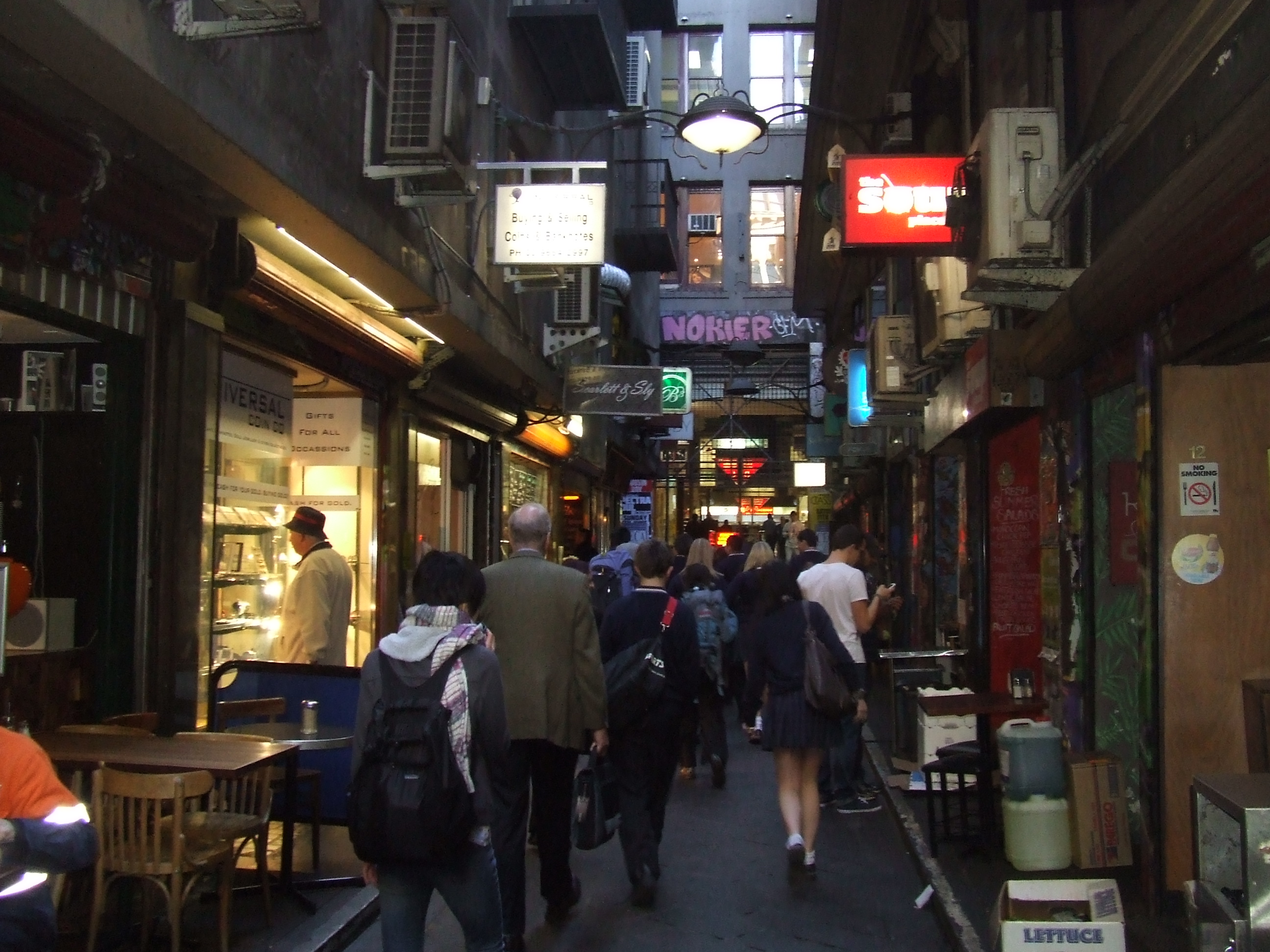
EXPLORE Melbourne’s vibrant and fascinating maze of lanes and arcades which have propelled Melbourne into a local and international attraction voted seven times the most livable city in the world. Our tours can be personalised to your interests including your choice of time and date. WE blend themes including street art, architecture, shops & cafes, hidden places, gold rush, Melbourne characters and lanes history. And great stories! If you have a special interest area just let us know! OUR places show the Melbourne Story from Indigenous to settlement to goldrush to Marvellous Melbourne to multiculturalism to the rise of the most Liveable City. FREE!! Maps, chocolate, and historic souvenirs. The tour includes an Acknowledgement of Country. Perfect for groups, children and families. Our 2.5 hour tours can start from Federation Square opposite Flinders Station.
“What a wonderful way this was to explore the inner secrets of Melbourne….stories, the personalities, architecture, artworks came to life.” Mark
“Thanks everyone for a terrific day yesterday exploring the interesting but often overlooked side of Melbourne. Thanks so much to our terrific guide whose enthusiasm and passion for Melbourne shone through in all of his stories and giveaways shared with the team!” The Haigs Chocolate Team
Thank you for our group’s walking tour on Wednesday. People from the group could not speak highly enough of you and the tour content. They all thoroughly enjoyed it and learnt a lot about our city including the locals! Michelle
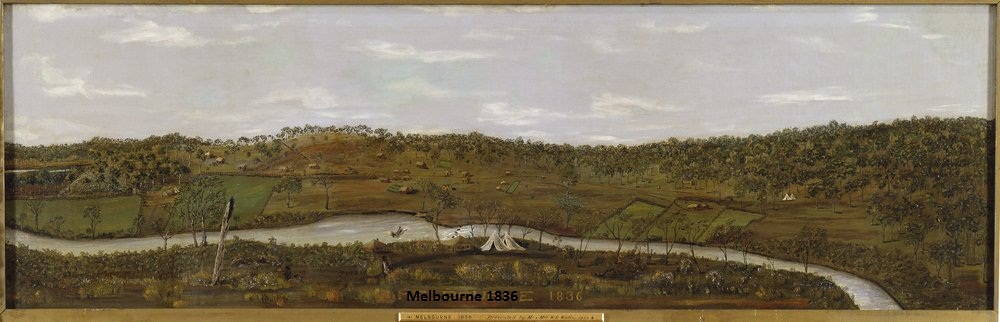
MORE ABOUT MELBOURNE’S LANES Every lane we choose tells an important story about Melbourne today and past. Robert Hoddle designed Melbourne’s street map in 1836 but refused to include lanes – he saw them as detrimental to the respectable establishment. Melbourne’s little laneways evolved to create access to buildings during subsequent population explosions such as the gold rush. Some were later roofed as arcades to provide refuge from the weather and crowds and to provide more space for shops. The lanes therefore symbolically and practically are the ‘People’s Melbourne’.
In the late 1990s, the lanes became the key strategy for Melbourne’s successful reincarnation as the ‘most liveable’ city in the world. The approx 200 lanes are rated by the city according to their heritage values. It can be a life-long journey exploring all of Melbourne’s ever-changing lanes.
EXPLOREdifferentcrimes and mysteries connected to the Melbourne CBD. Crimes can include unsolved cold cases, theft, missing persons, cyber-crime and fraud. LEARNabout the role of forensic science and evidence gathering in solving crimes. OUR TOURS are interactive including activities, images, news articles and readings. We do adapt the content to suit the age of the participants. WHERE WE GO: Great Melbourne locations including heritage buildings, iconic lanes, arcades and street art spaces. WHEN: By arrangement. Tours are normally 2.5 hours (students two hours) or as requested. SCHOOL TOURS are normally two hours or as requested. Tours by arrangement start from Federation Square and finish Bourke Street near Parliament. WEVISIT the significant locations, consider the evidence, and ask questions.
WHY CRIME TOURS? Crime, solved or unsolved, can highlight important social justice issues. Crimes, especially unresolved crimes, reveal challenges and social issues for vulnerable people that society needs to confront. Forensic science is a growing field of study and inquiry to many. Greater awareness of crime may prevent or solve crimes: Victoria Policeasks members of the public to come forward if they have any information that may assist. Contact Crime Stoppers 1800 333 000.
“Thank you for your tour last night. The range of insightful places, stories and activities was great.” Haigs Staff Team. “I really enjoyed our family walk and have been on it twice. My friend raved about it to her friends in Perth. Thanks for engaging with our teenagers as well, your walk came out on top.” Win and friends. “The students and I were especially engaged by the interactive activities and the crime stories in Melbourne locations”. Vermont College. “Thank you so much for the tour. It was incredible and the students thoroughly enjoyed the exercise, your energy and enthusiasm as well as your amazing knowledge and hands-on activities. I didn’t know what to expect, but it was honestly the greatest school experience I’ve had”. Excursion Coordinator Year Ten, Doncaster College.
Some of the many crime mysteries and stories we may explore on the day:
Federation Square Morgue
Preventing terror attacks – modus operandi 2017
The Batman ‘Treaty’ 6 June 1935
Tragedy in St Paul’s Cathedral 7 March 1997
Can artists solve crimes? The Missing Persons Street Art Network (MPAN)
Evading detection, Hosier 2019
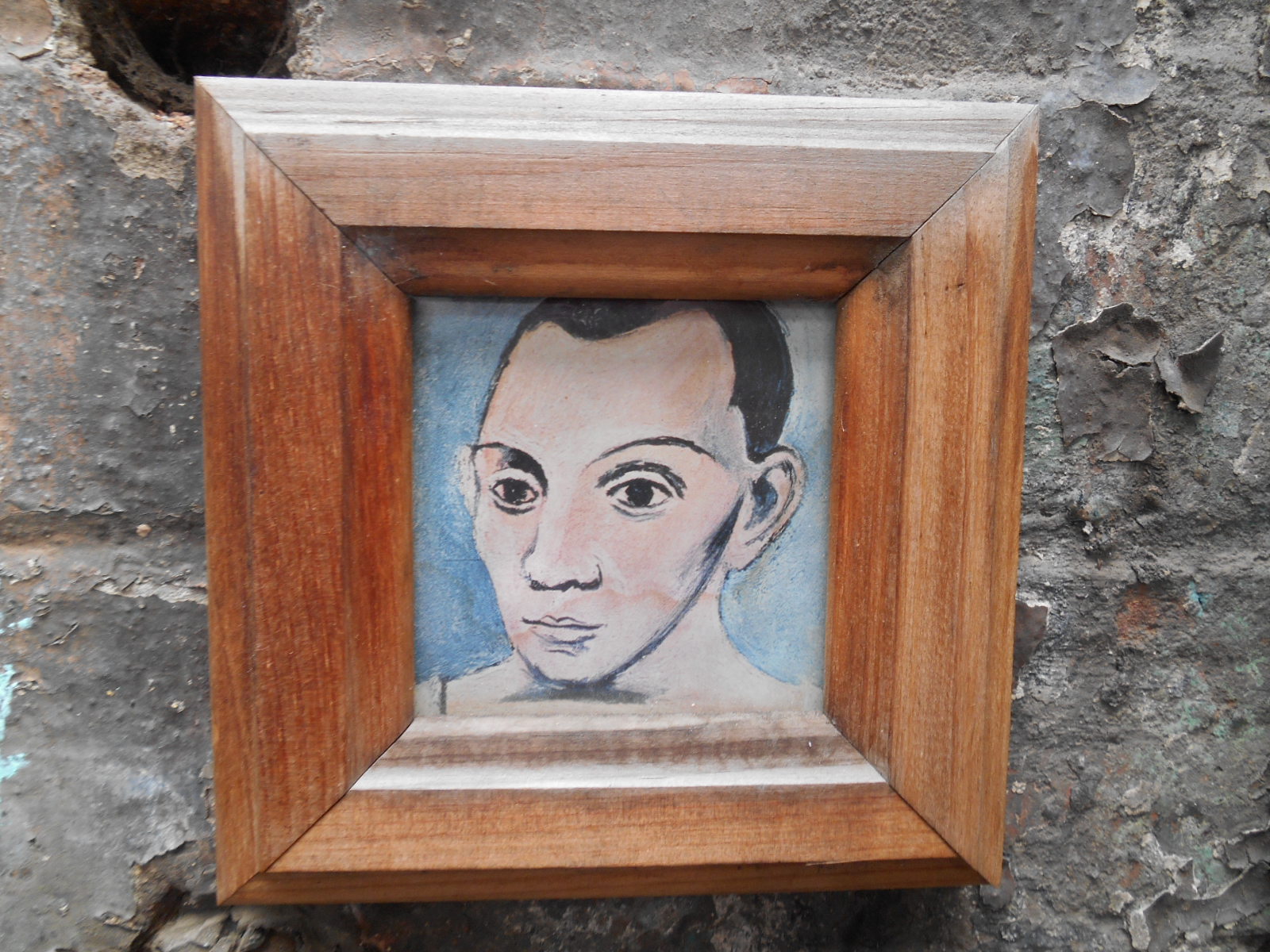
The Case of the Stolen Picasso 4 August 1986
Operation Tidelands- the gun in the Yarra 2014
Smash and Grab, 130 Russell Street 7 July 2017
Facebook and Crimes 2017
Who stole Larry Latrobe? 1987
The Missing Mace 9 October 1891
Six tons of Missing Sky Sign 2001
Sly Grog Gambling – who Killed Squizzy? 27 October 1927
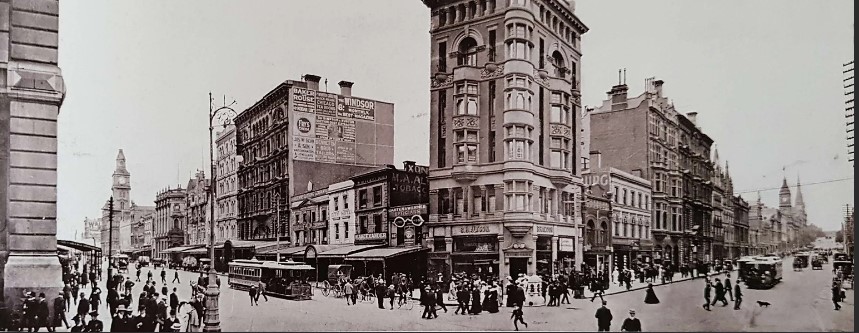
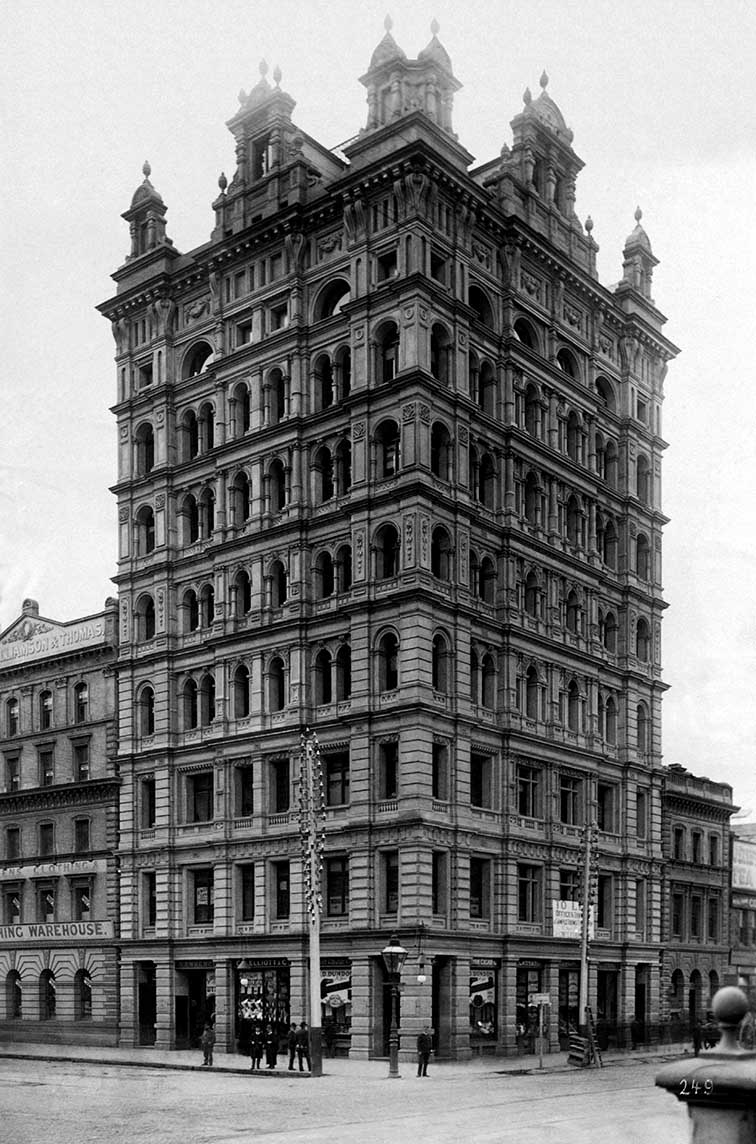
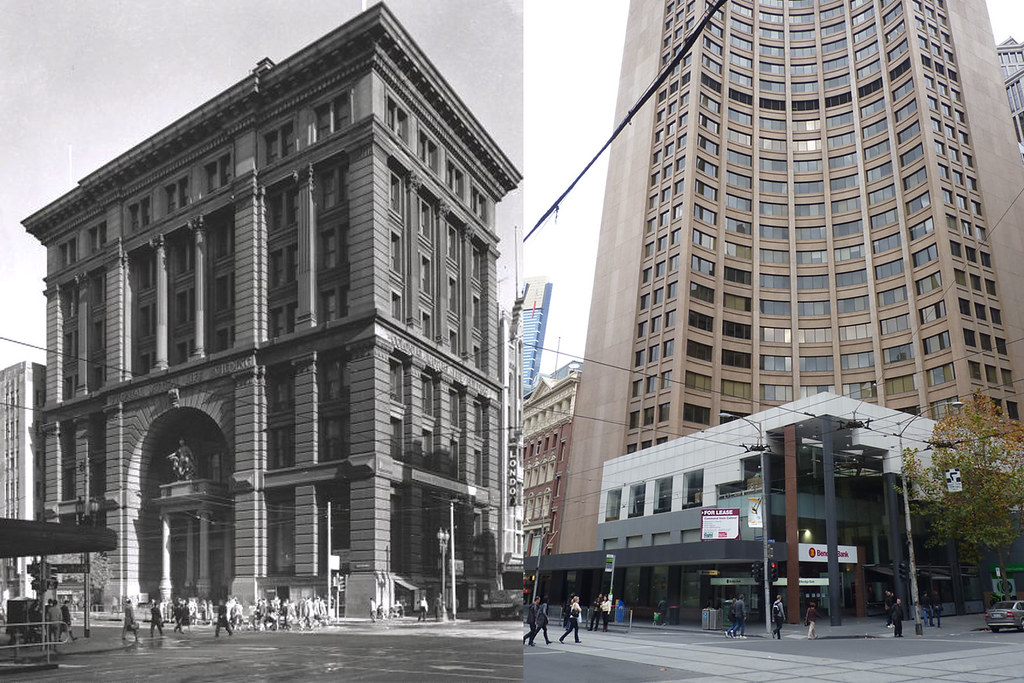
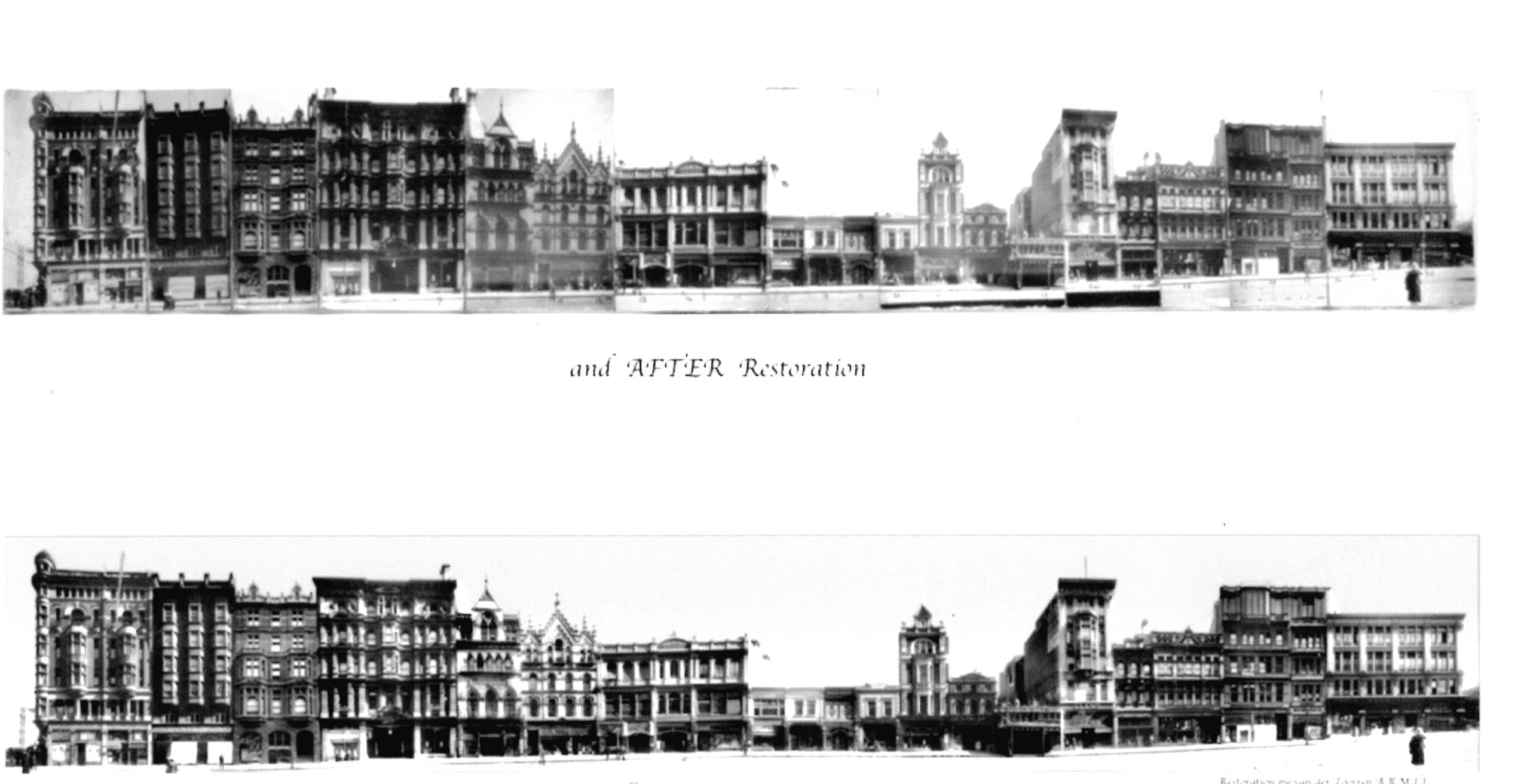
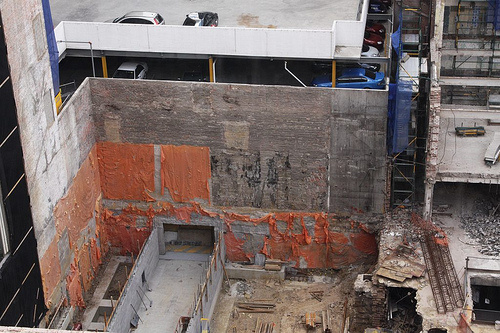
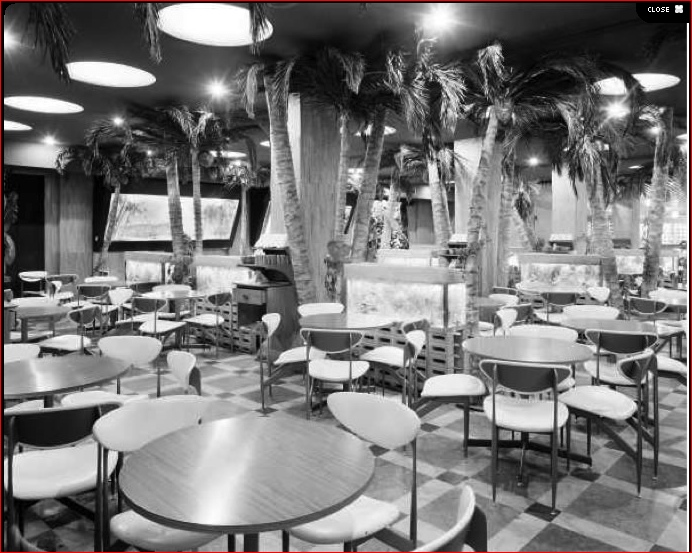
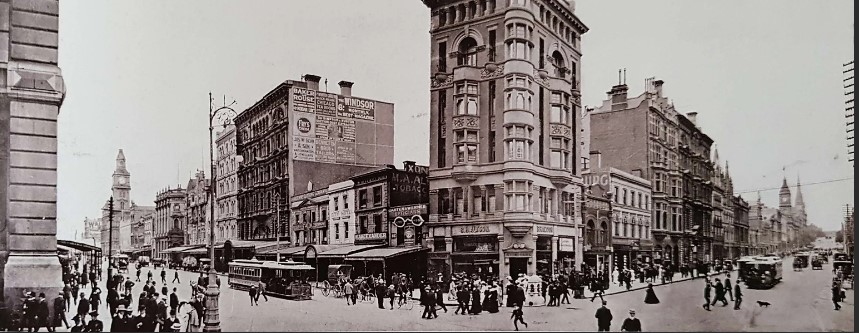
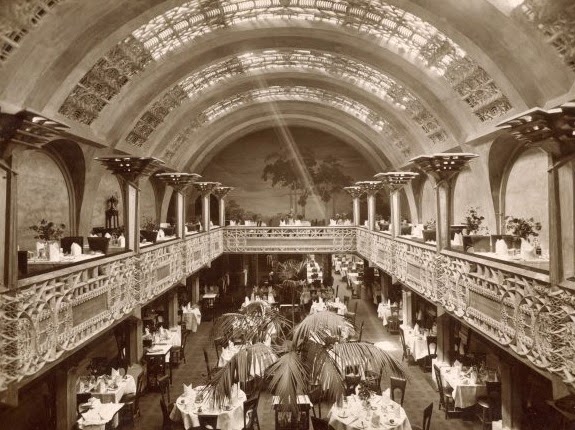
GOLD-RICH Melbourne in the 1850s was the fastest-growing city in the world. It would soon become a world-famous metropolis of stunning commercial towers, palatial theatres, luxurious cafes, hotels and new technologies such as cable cars and hydraulic lifts. A century later however the wheel began to turn. Hundreds of heritage buildings were demolished with more than a little help from Whelan the Wrecker. EXPERIENCEthe splendour of the Lost City of Melbourne and its stunning architecture. FIND lost and hidden infrastructure, archaeology and the site of the Great Fire of Melbourne 1897. VISITtoday’s surviving architectural masterpieces of Marvellous Melbourne. OUR JOURNEY takes us from back lanes to the city centre. We explore images, places and stories from Indigenous to gold rush, federation, Jazz Age, war and Olympic Games to Australia’s cultural capital today. SEE:BOOKINGS SEE: Our other50 TOURS
‘The feedback has been amazing! (Our guide’s) knowledge of both the lost and found of Melbourne was truly magnificent. He had knowledge only someone with a true love for its history would know. We genuinely have a new appreciation for the city we live in’. Staff outing, Growthpoint Properties, 101 Collins.
‘A fantastic city walk guided by the engaging and knowledgeable guide today, discovering Lost Melbourne. Even as locals, we rediscovered so much….thanks for a fascinating adventure, 5 stars!’
THE SUSTAINABLE ARCHITECTURE TOUR explores Melbourne’s goal to be a sustainable ‘zero-net emissions precinct’ by 2040. Is that possible and how? Our walking tour visits leading buildings and places that demonstrate sustainable architecture, design and planning. Locations we visit depend on accessibility on the day and may include the Federation Square carbon neutral precinct, Hosier (social sustainability), Birrarung Marr, ArtPlay, Skyline Car Park Test Gardens, Jolimont yards, Hosier, BHP, Town Station, Degraves recycling, Council House Two, Hero Apartments, St Collins and other contemporary and historic locations. Tours are normally 2.5 hours (2 hours for school groups) commencing from Federation Square.
Key architectural and design strategies (see below) in Melbourne includebiophilic design, biomimicry, biodiversity, retrofitting (Millenium 1200), tree cover, green facades and roofs, rain gardens, nature in the city strategy, rooftop, beehives, recycling and waste disposal, litter traps, alternative transport, Green Star/NABERS ratings, water harvesting, wildlife protection, urban and cultural ecosystems, renewable energy, funding, research and cyber data. How do we find large-scale solutions to the increasing urban populations and the new megacities?
Atrium terrace (megapanels, Test Garden, Eureka/108, rain garden)
Birramung Marr Park (tree strategy, water strategy, Indigenous strategy, retrofitting, solar)
Hosier Lane (agglomeration strategy)
Flinders Lane (BHP star six Nabers)
Swanston Street (metro rail development, transport, ‘smart’ technology)
Degraves Lane (civic spaces, recycling)
CH2 Melbourne City Council (biophilia)
Russell Street (Hero apartment, retrofitting)
Return to Federation Square.
CHALLENGES AND THREATS An estimated 55,000 residents live in the core central activities district of Melbourne plus up to 900,000 people visiting weekly. Melbourne’s urban population will double over the next 20 years. Greater Melbourne will be Australia’s largest city with 8 million people by 2055. Pressure is increasing on the environment, buildings, open space, businesses, transport and people. All species in our urban ecosystem will be impacted by climate change,storm and flood events, extreme dry periods, rising seas and heat.
WHAT MUST WE DO? Sustaining healthy and liveable spaces in Australia’s fastest-growing city (and indeed the planet) is the defining challenge of our time. We need to use smarter architecture and design technologies, save waste, use greener energy, improve social equality, cool our city with plants , walk and cycle, protect our wildlife and stop pollution. To reduce, re-use and recycle. We must plan and educate ourselves together: Schools,communities,homes,businesses and governments – we cannot do it alone.
WHAT IS SUSTAINABILITY? Sustainability means being in balance – balancing today’s consumption and waste with tomorrow’s needs. Sustainability also aims for a society with respect for nature, human rights, economic justice and a culture of peace. To survive we need new and ‘greener’ models of environmental management, social responsibility and economic practice.Our Government accepts that our climate is heating updue partly to greenhouse gases from burning carbon-based fossil fuels such as coal and oil. This is why Melbourne City has strategies (below) to stop the increase in carbon dioxide emissions into the atmosphere (net zero emissions) by 2020.
MELBOURNE DESIGN AND ARCHITECTURE FOR A SUSTAINABLE GREEN FUTURE Nature in the City. Ten-year strategy to connect people to nature, and improve urban ecosystems and biodiversity of Melbourne including plants, soil, insects, birds (239 species), mammals and frogs. Managing issues such as air pollution removal, carbon storage, urban cooling, healthy soil, stormwater control, wind abatement, water filtration, and nutrient recycling.
Urban ecology or ecosystem strategy: Study and management of the interactions between all living creatures and their physical city environment including blue (river), grey (built) and green (parks) networks.
Caring for Country: Utilise land management and cultural practices of traditional owners.
Urban Forest Strategy. Doubling the tree cover in the City of Melbourne by 2040 to reduce inner city heat temperature, improve water use and adapt to climate change. There are currently 77.000 trees.
1200 Buildings Program: Foster the environmental retrofit of two-thirds of the commercial stock to improve water and energy efficiency 38% to eliminate 383,000 tonnes of greenhouse gas emissions every year. VIDEO
Watermark Strategy. Improve water recycling and stormwater purity, reduce mains water consumption 40%, increase water capture from alternative sources. Melbourne Walks is a member of the Yarra Riverkeepers Association.
Zero Net emissions by 2020: Reduce greenhouse gas emissions by 35 percent, reduce household and commercial waste, reduce energy use from non-renewables 50%, and increase renewable green energy use to 45% of demand. Create a voluntary carbon trading precinct. Invest in carbon sequestration. VIDEO
Melbourne Bicycle Plan. Increase to 10% of traffic by 2030. There 51 bike share stations with 600 bikes. However, 3400 commuter bikes were stolen in five years. RMIT Building 80 secure bike room.VIDEO
Melbourne Walking Plan.Walking safely creates a vibrant city, increases well-being, economies and reduces fossil fuels. Increase to 30% of all trips.
Walking connectivity/knowledge economy Increase walking connectivity by 10% = $21billion per annum.
Green Star and NABERS ratings Buildings use 40% of the world’s energy. NABERS measures their efficiency. One star is poor. Six stars is market leader.
E-waste locations. Reduce the 1000,000 tons of waste TV, PCs and phones per year.
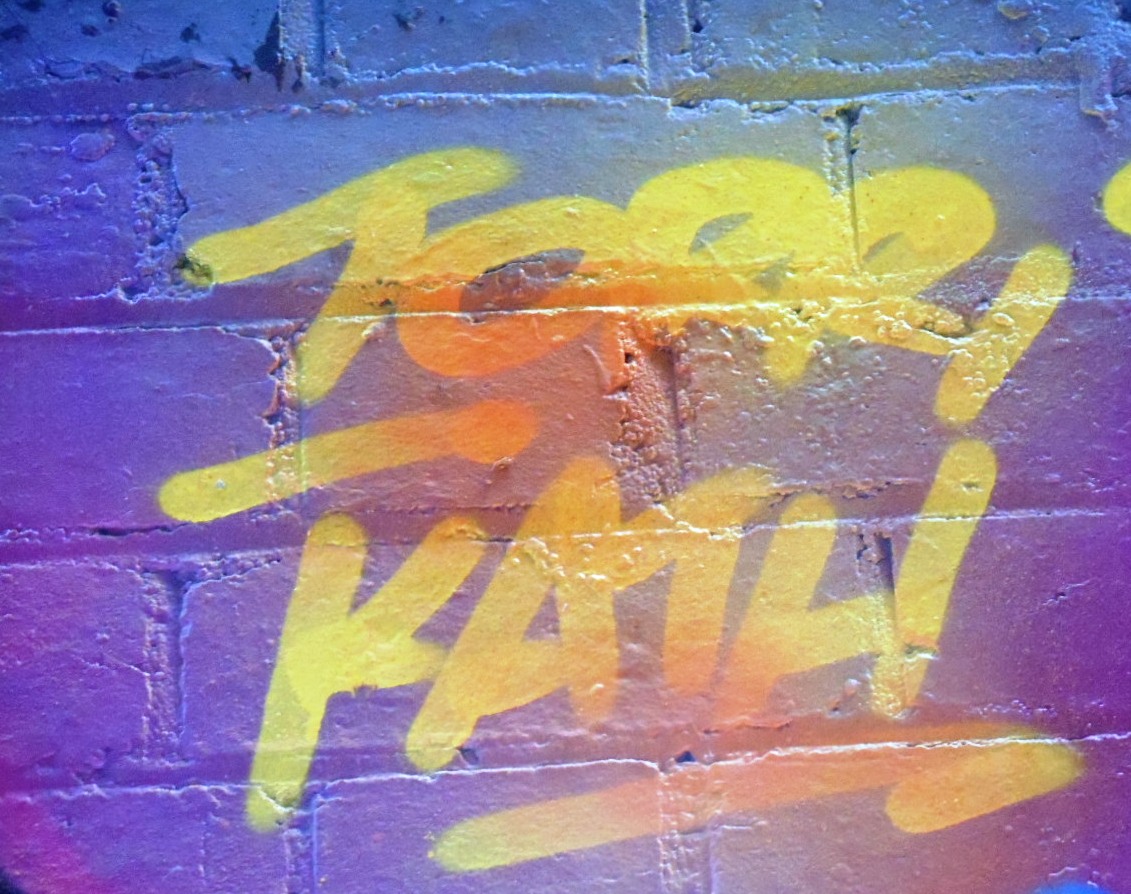
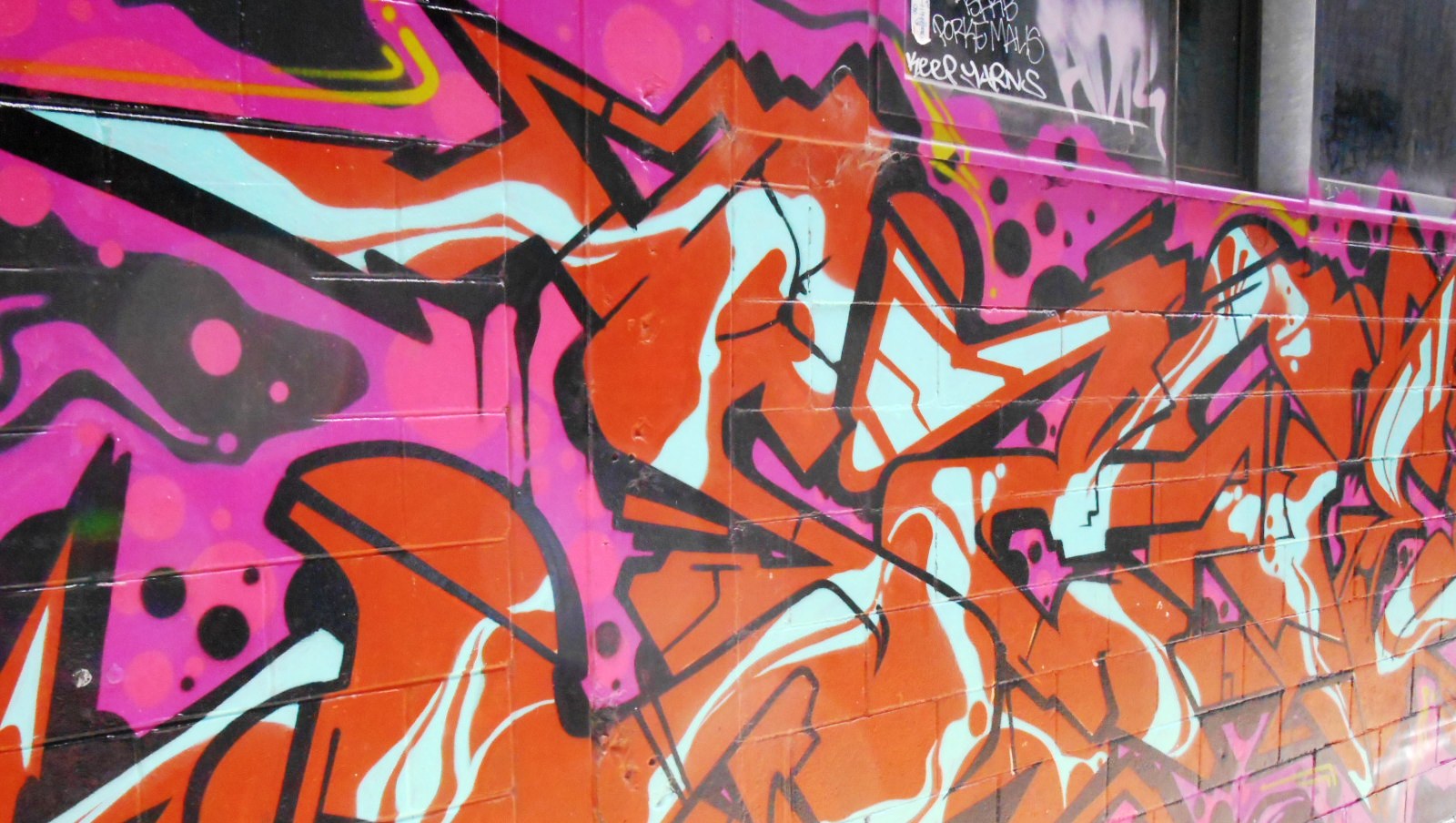
EXPLORE Melbourne’s famous streetartandgraffiti in the city’s labyrinth of lanes. Don’t miss one of the most radical urban art movements in the world.See also our SCHOOL TOURS. VIEW stencils, paintings, paste-ups, 3D structures, installations and mosaics by some of the world’s best artists and crews.. IDENTIFY local, interstate and international artists; DISCOVER the architecture behind the paint – the history of lanes, buildings, venues and 150 year-old walls. LEARN the difference between street artists, street writers, graffiti taggers and how the ‘permit lane’ system work. EXPERIENCE the social culture of the back lanes where Melbournians celebrate their artists, cafes, music and coffee. MAPS are provided to street art locations so that you can return with friends and family. PUT UP and keep a piece of creative street art in the tradition of street artist, Slinkachu
WHERE? Tours are 2.5 hours (2 hours for schools). We normally start from Federation Square
“The Street Art Walking Tour guided by Melbourne Walks was a fabulous event. We highly recommend it for people visiting Melbourne but also to locals who haven’t yet seen the amazing works that enliven the back lanes of our city. We had a wonderful guide who introduced us to works by local and international artists, and to parts of the city I never knew existed. The art was breath-taking and I couldn’t help but wonder how the artists had managed to paint such brilliant works while at times scaling walls high above the lane way below. We had stories of the history of different buildings and lanes, and of rivalries among the artists. We were a group of conference participants and it was a great way for us to get to know each other and have some fun away from the conference. Definitely something memorable to do in Melbourne whether in a group or on your own! And great value!” Paula Keogh, RMIT University. Thank you for leading the Lyceum Club ‘Ramblers’ on your Street Art walk and for your most interesting commentary. It was very obvious that all of the ladies were totally over-awed with what you showed them. You have given them much to talk about. Lyceum Club Just to say thanks for the terrific tour on Monday. I am sure everyone really enjoyed it as we discovered Melbourne street artists and learned their history. Members, Professional Tour Guides Association of Australia.
See our YouTube film below with Pear Tongue performing:
Forms of Melbourne street art seen on our tour include:
Stencils:Transferring images to a surface with spray or roll-on paint using paper or cardboard cut-outs.
Paint: Most artists or writers use paint as their medium using hand-held spray cans.
Sticker or paste-ups:Creating an image or political or other message using homemade stickers and posters.
Mosaic:Using smaller parts or pieces, to create a larger piece of art.
3D:Three-dimensional pieces or objects adhered to walls.
Installations:Using objects and events to create a wide variety of art sculptures and art objects including neon signage, events and video projection onto surfaces.
Typographies: Historic signage, posters, advertisements, and neon from the past all tell a story.
The Lanes.The art is stunning but so is the spectacular setting in the lanes which have serviced the city since the Gold Rush. Industrial brick, bluestone and old infrastructure such as iron winches abound in what was once the manufacturing heart of Victoria producing textiles, furniture and manufactured goods. Other lanes were once the locations of bagnios, opium dens, impoverished communities and Chinese immigrants. We tell their stories as we go.
What is street art?
Street Art and Graffiti are controversial and democratic forms of public art. This public art is labelled ‘Street Art’ when permitted by authorities. Without permits, this art is often labelled as graffiti or tagging yet many graffiti works are highly important creative and political pieces. Many artists consider illegal graffiti as a radical endeavour that challenges the status quo and the concept of art as a collectable trophy. Yet others view Graffiti, particularly ‘tagging’, as vandalism. We explore how this creative tension plays out as we walk the streets.
Artists have played an essential role since the 1990s in bringing Melbourne back to life. The City has used street art permits since 2007 to support fantastic and imaginative colour and design by artists on unused or obscure walls with the consent of property owners. Annual public art commissions in the laneways have also encouraged a wide range of artistic experimentation. In 2005 street artists from across Australia illustrated Hosier Lane for the film Ghost Rider. In November 2013, 100 artists, assisted by six cranes and curator Dean Sunshine, were invited to totally repaint Hosier and Rutledge Lanes for the huge ‘Melbourne Now’ exhibition. See article.
Today’s street art is part of a long tradition of Melbourne counter-cultures in the footsteps of movements like the early Bohemians, the Heidelberg School, Angry Penguins, Dadaists and the 1960s Drift. Even the contemporary Indigenous art movement has radical elements.
Books on Street Art
‘Everfresh: Blackbook. The Studio and the Street 2004-2010’. Miegunyah Press.S;
‘Stencil Graffiti Capital, Melbourne’; J.Smallman and N.Nyman;
‘Street/Studio’ by Alison Young, Ghostpatrol, Miso and Timba Smits;
‘Kings Way- The Beginnings of Australian Graffiti:Melbourne 1983-93’.
Land of Sunshine. A Snapshot of Melbourne Street Art 2010-2012 by Dean Sunshine
Street Art Now, Melbourne, Australia and Beyond, 2010-2014 by Dean Sunshine
www.stencilrevolution.com is a website based out of Melbourne that showcases thousands of street and traditional stencil art from around the world. It provides tools to make your own stencil art on-line.
Arty Graffarti is an important graffiti/street art blog based in Melbourne. Subscribe!
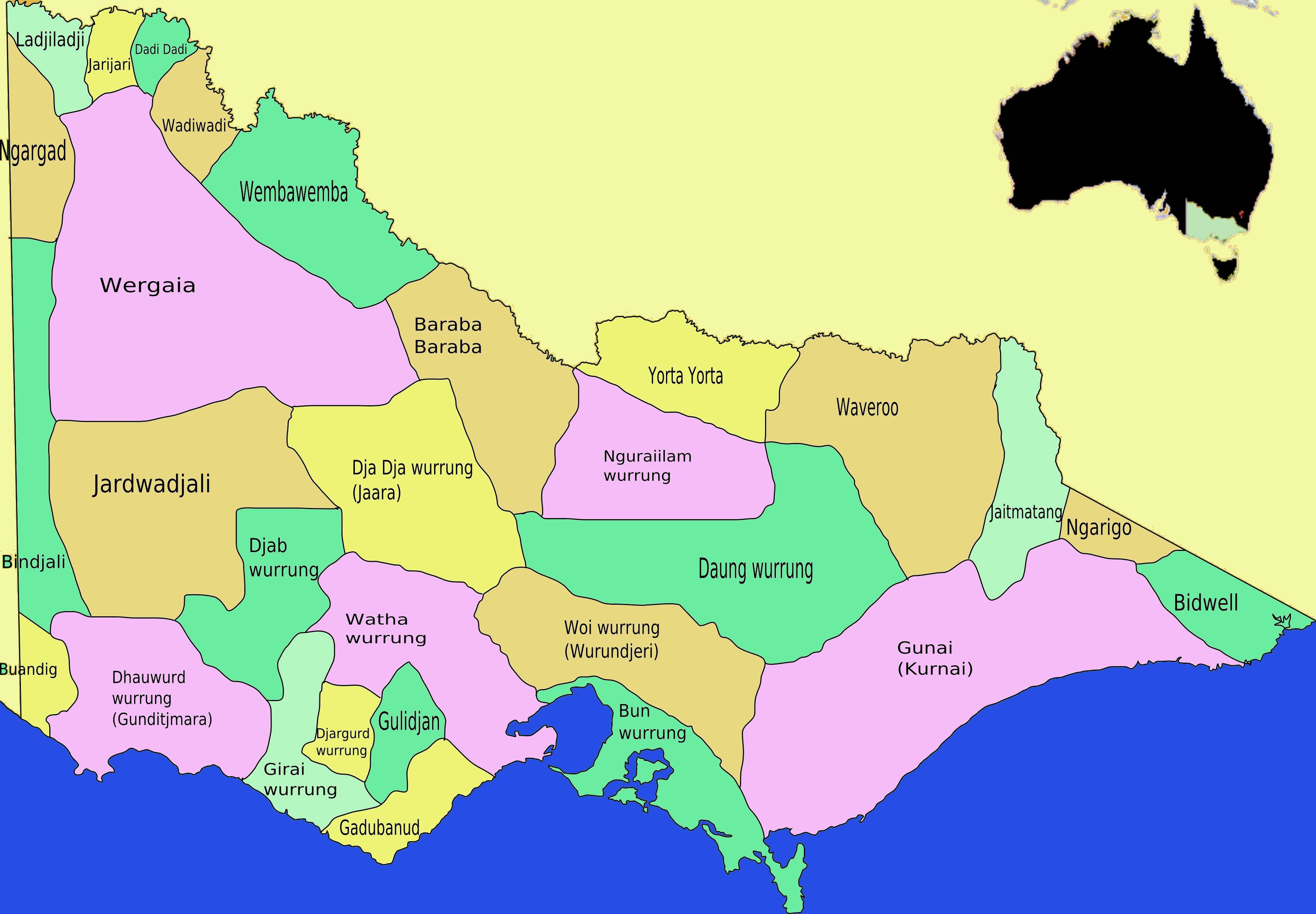
We acknowledge the traditional owners of the Kulin Nation including the Boonwurrung and Wurundjeri/Woiwurrung peoples and pay our respects to elders past, present and emerging.
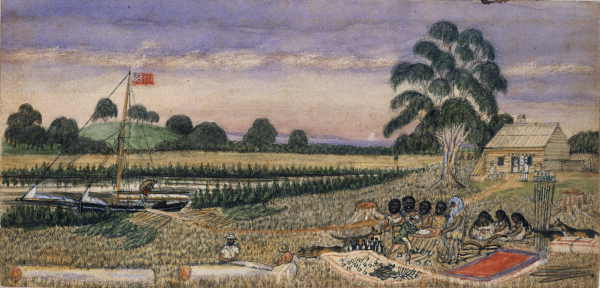
DISCOVERhow European occupation impacted on Indigenous people, Indigenous landscapes, our waterways, fauna and flora and the impact today on modern Melbourne. VISITMelbourne landscapes that have supported the economic and cultural life of First Nations peoples, colonial settlers, immigrants and Melbournians today. LEARN how Indigenous knowledge is used by the City of Melbourne to fight climate change (Care for Country Strategy). This includes understanding traditional uses of land for food, tools, shelter and medicine by traditional owners, colonists, immigrants as well as by modern Melbournians. EXPLORE landscapes connected to theBatman Treaty, Indigenous Seasons,landmarks, andterritories. RECEIVE our history bookwritten by ourselves in partnership with the Boon Wurrung Foundation and the City of Port Phillip.
NOTE: Our guides are not ususually Indigenous, we come from the Reconciliation perspective of how contemporary Australians can learn from the use of our landscapes by traditional owners, settlers, immigrants and cities to create a sustainable Australia. SEE:BOOKINGS AND PRICES – FOR SCHOOLS, GROUPS, INDIVIDUALS (An additional surcharge may apply for bushtucker materials).
”People thought the route you chose for our walk was fantastic. The content was informative, educative, enjoyable and so interesting.” Port Phillip Reconciliation Action Group. ‘We thoroughly enjoyed the walk by the Yarra River in the CBD. The students all completed detailed reflections and summaries from the information shared. Thanks for making it so interactive, real, and relevant to the lives of the Year Nine students!” Caulfield Grammar “We all thought it was excellent: interesting, informative, and very hands-on. The students certainly learned a lot and enjoyed themselves.” Athol Primary School. “For Outdoor and Environmental Studies, this tour is a must!!” Bendigo Catholic College.
ROUTES: MELBOURNE CITY CENTRE: Our city tours usually start and finish at Federation Square and explore Birramung Marr Park, the Birrarung (Yarra River), Federation Wharf and surroundings.
SUBURBS: Our Indigenous landscape tours have also been conducted in suburban locations including Black Rock, St Kilda, Albert Park, Port Melbourne, Elwood, Merri Creek, Maribyrnong, Brighton, Bulleen, Elwood, Fitzroy, Clifton Hill, Ascot Vale, Kananook Creek, Footscray, Gardenvale Creek, Gasworks Park, Carlton Gardens, Hawthorn, Richmond, Alphington, Reservoir and others.
Indigenous Plant Use (online). A booklet on the medicinal, nutritional andtechnological use of indigenous plants, Zena Cumpston, Melbourne University 2020.
Koorie Plants. Koorie People. Beth Gott.
Melbourne Dreaming. A Guide to Important Places Past and Present, 2014, Meyer Eidelson, Aboriginal Studies Press.
The Biggest Estate on Earth, Bill Gammage.
Yalukit Willam. The River People of Port Phillip, 2014, Meyer Eidelson, City of Port Phillip, Boonwurrung Foundation.
Aboriginal Melbourne: the Lost Land of the Kulin People, Gary Presland.
Aboriginal Victorians. A history since 1800, Richard Broome, Allen and Unwin 2005.
Meerreeng-an. Here is my Country. The Story of Aboriginal Victoria told through art. Chris Keeler and Vicky Couzens 2010. I Succeeded Once. The Aboriginal Protectorate on the Mornington Peninsula, Marie Fels 2011.
1835: The Founding Of Melbourne And The Conquest Of Australia by James Boyce 2011.
Eight Wurundjeri Seasons in Melbourne. Jim Poulter
Archaeology of the Dreamtime, J Flood, Angus and Robertson, 2001.
Remains to be Seen. Archaeological Insights into Australian pre-history.
David Frankel. Good Men and True. The Native Police of Port Phillip. Marie Fels.
OURtour explores the fabulous architecture of Melbourne story from early lanes to the goldrush boom to inter-war to the modern era to the ‘carbon-neutral’ architecture of the future. We also have some online tour options. VISIT landmark heritage, innovative and sustainable design architecture from many different styles and eras, walking north from Federation Square along Melbourne’s ‘civic spine’ via Swanston, Flinders, Collins and Bourke Streets. THIS TOUR tour traces the story of a city’s revival from just 400 residents in the 1990s to a cultural mecca voted seven times ‘the most liveable city in the world’. Was it design or luck? Are there architectural lessons for other cities? What precious assets are under threat? MELBOURNE has been a planned city since Robert Hoddle laid out the famous 1837 ‘Grid’ or ‘Golden Mile’ enabling us to see a wide variety of buildings by foot. Styles include Art Deco, modernist, Australian design’, Romanesque, Gothic Revival, French Empire, Victorian, Neoclassical, Industrial and more. SEE also ourSustainable Architecture and Design Tour. TOURS are normally 2.5 hours – or two hours for student groups – but can be adjusted on request. Tours normally start from the stage and big screen atFederation Square.
SEE– BOOKINGS AND PRICES– FOR INDIVIDUALS, GROUPS AND SCHOOLS. SEE – Our many otherSCHOOL PROGRAMS. Including Explorer, Federation, Aboriginal, Early Melbourne, Lanes, Literature, ‘Runner’, Street Art and more…
‘Thanks again for a highly educational and enjoyable tour for all our visitors, not just the range of building but the architectural evolution of the city over time’. Tina 2017
‘Fantastic feedback from our staff who attended your tours and thought all three of your guides were very engaging for our Year Nine’s, which isn’t easy!!’ Pt Cook College, 2016.
‘I found the architectural tour to be most interesting, as we could apply our knowledge to and be inspired by real architecture designed for specific purposes.’ Ministry of Mercy Education 2016.
OUR ROUTEcan vary depending on building accessibility, weather, construction, time of the week and public holidays but usually includes a mix of the buildings and designs below:
Design Hub, 23 Cardigan St, Carlton, Sean Godsell.
Portrait Building – William Barak Apartments, Swanston Street, Ashton Raggat McDougall
Australian Centre for Contemporary Art (2002) – Wood Marsh Architects
School of Drama, Victorian College of the Arts (2002) – Edmond & Corrigan
Centre for Ideas, Victorian College of the Arts (2004) – Minifie Nixon
Melbourne Theatre Company & Melbourne Recital Centre (2008) – Ashton Raggat McDougall
Eureka Tower (2006) – Fender Katsalidis
Queensbridge Square (2006) – City of Melbourne
Australian Histories and The Travellers (2006) – City of Melbourne and Nadim Karam
Royal Exhibition Building (1880) – Joseph Reed
Melbourne Museum (2000) – Denton Corker Marshall.
Melbourne University School of Design John Wardle Architects
DOCKLANDS
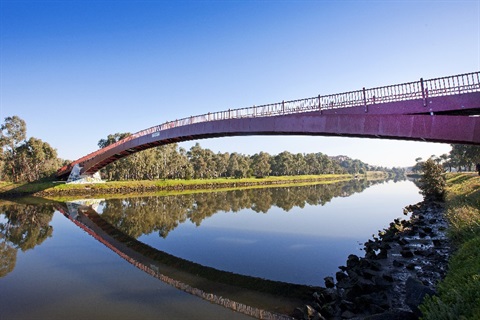
Webb Bridge (2003) – Robert Owen, Denton Corker Marshall; (connecting Yarra’s Edge and Docklands Park)
ANZ Headquarters – Hassell; 5-star green energy building.
NAB Headquarters (2005) – Bligh Voller Neild.
Digital Harbour Port 1010 (2006) – Ashton Raggat McDougall.
Tower 5 at Yarra’s Edge – (2000) Wood Marsh Architects
SUSTAINABLE ARCHITECTURE AND DESIGN
Federation Square Atrium
Council House 2 (CH2) 218-242 Little Collins St- 6 Star Green Star – DesignInc Melbourne Pty Ltd
Hero Apartments former Russell Street Telephone Exchange and Post Office.
Ross House, Flinders Lane (retrofit)
55 Swanston (retrofit)
Coramandel Green Lane
Urban Workshop, 50 Lonsdale Street, Melbourne 4 Star Green – John Wardle Architects, Hassell and NH Architecture
ANZ Headquarters – Hassell; 5-star green energy building.
500 Bourke Street Melbourne 5 Star Green Star – John Wardles Architects; Peddle Thorp Architects
181 William Street 5 Star Green Star –:Bates Smart and SJB joint venture
550 Bourke Street (Extension) 5 Star Green Star – Bates Smart and SJB joint venture
See Victorian Architecture Awards
RECOMMENDED BOOKS
Design City Melbourne. Leon Van Schaik. Wiley Press.
Melbourne Architecture by Phillip Goad. Watermark Press.
A Pictorial Guide to Australian Architecture, Styles and terms from 1788 to the present by Richard Appleby, Robert Irving. Peter Reynolds, Angus and Robertson.
Walking Melbourne, A National Trust guide to the historic and architectural landmarks of central Melbourne by Rohan Storey.
Melbourne: The City’s History and Development Lewis, Miles, City of Melbourne, 1995
150 Years of Australian Architecture, Philip Goad, ‘Bates Smart: Fishermans Bend, 2004. Melbourne by Sophie Cunningham 2011.
Characters: Cultural Stories Revealed Through Typography by Stephen Banham 2011.
The Place for a Village. How Nature has shaped the city of Melbourne. Gary Presland.
Essential but Unplanned: the story of Melbourne’s Lanes, Bate, Weston, Main Ridge: Loch Haven Books 1994
Melbourne Remade. Seamus O’Hanlon. The Inner city Since the 1970s. Arcade Publications 2010.
MELBOURNE is a founding heartland of Australian democracy and the peace movement.Australia was instrumental in both the founding of the United Nations in 1945 and theUniversal Declaration of Human Rightsin 1948 which enshrines the rights and freedoms of all human beings and inspired over eighty international human rights treaties and declarations that protect dissenting individuals today.
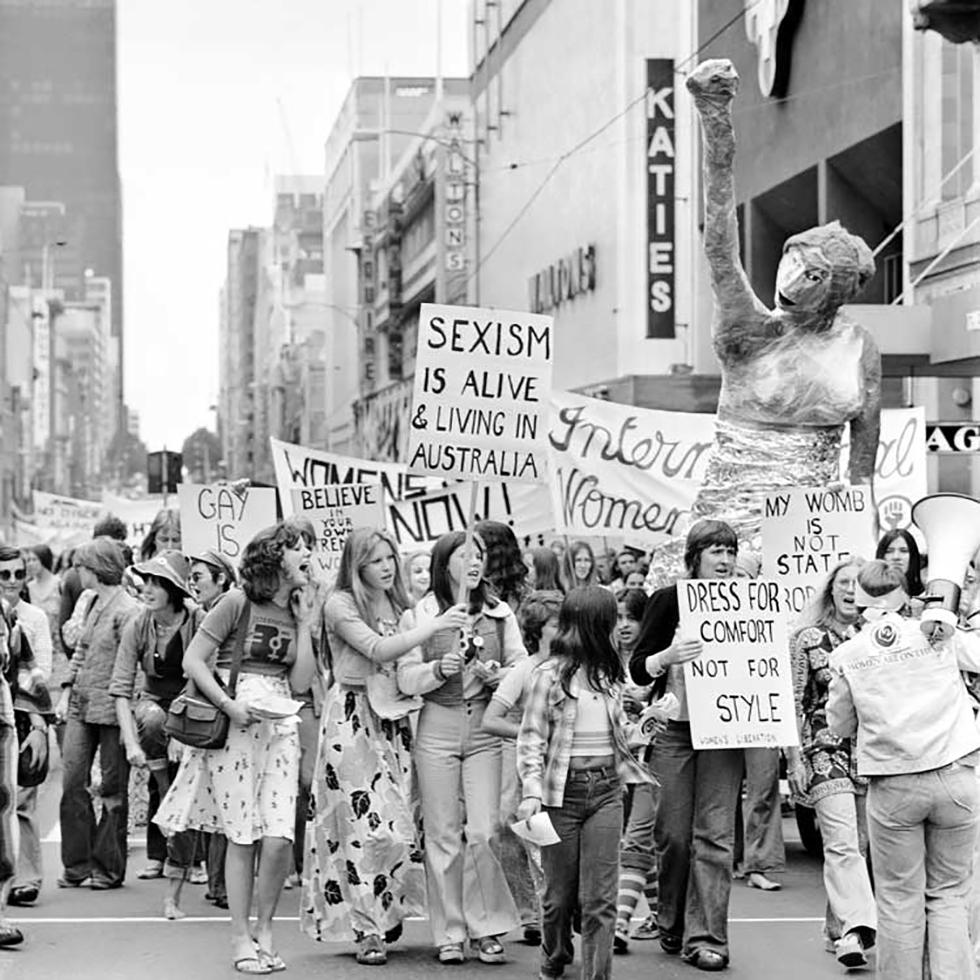
EXPLOREICONIC PLACES in the City of Melbourne that tell important stories of protest, including events and personalities,that have influenced Australian social justice, civil rights and freedoms. INVESTIGATEthe different forms of social justice campaigns in Melbourne such as petitions, elections, marches, moratoriums, strikes, referendums, architecture, postal surveys, public art, sport, street art and even armed rebellion (Eureka) and insurrection (Ned Kelly). DISCOVER ISSUESthat have spurred Melbourne social justice campaigns such as the women’s vote, equal pay, climate, detention, eight-hour day, homelessness, racism, disability, gender equality, crime, transportation, reconciliation, taxation, war, and artistic freedom. AN IDENTITYthat has influenced social justice is provided to each student during our school tours. See:Social Justice Identities
ROUTE We travel from Federation Square through the CBD over a two-hour (students) or 2.5 hour (adults) period or other period requested. Tours normally start from Federation Square. Locations may include St Pauls, Flinders Station, Federation Square, Koorie Heritage Trust, Nicholas building, Hosier Lane, Manchester Unity, Ross House, Vic Womens Centre, Melbourne Town Hall, Howie Place, Lt Bourke Street, Bourke Street, 50 Lonsdale, Athenaeum Theatre, and others depending on the day and times.
Government of the people, by the people and for the people and not one half the people. The ‘Monster’ suffragette petition 1891.
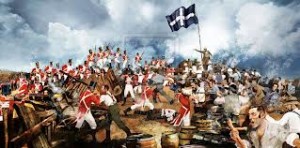
We swear under the banner of the Southern Cross to stand truly by each other and fight to defend our rights and liberties. Peter Lalor swearing the Miners Oath, 1854.
‘Melbourne Walks offers a superb introduction to the history of protest and justice issues in the City of Melbourne. Our school tour was characterised by impressive and comprehensive knowledge, high levels of student engagement, good humour and practical concern for our students on a warmish afternoon. I am very comfortable in giving Melbourne Walks my unreserved endorsement.’ Sacred Heart College, Geelong.
Melbourne citizens oppose drastic budget cuts to the vulnerable, 2015
FORAGE in Melbourne’s urban landscapes, walking through woodland, billabong, wetland, parkland, and stream to the seashore of beautiful Hobsons Bay. IDENTIFY AND HARVEST traditional wild flora and fauna that can used for sustainable bushtucker gardens, schools, homes and workplaces. LEARN how Aboriginal people, colonial settlers, immigrants and modern Melbournians, have harvested traditional foods, medicines, tools and shelter throughout our natural seasons. DISCOVER how traditional harvesting and land regeneration contributes to a sustainable future as discussed by authors such as Bruce Pascoe (Dark Emu) and Bill Gammage (The Biggest Estate on Earth) WHEN? Our 2.5-hour tours (schools two hours) are by arrangement at a time of choice. WHERE? Popular locations are Albert Park Reserve, Elwood or Black Rock (see below).
“Amazing day yesterday foraging through St Kilda, thanks to Melbourne Walks. So much to learn about our landscape, so much “hidden” in plain sight… check out their book Yalukit Willam published with the Boon Wurrung Foundation.”Inner City Book members. ”People thought the route you chose for our walk was fantastic. The content was informative, educative, enjoyable and so interesting.” Port Phillip Reconciliation Action Group.
Popular Locations include: 1. ALBERT PARK RESERVE TO ST KILDA BEACH/YURO YUROKE Forage while walking from the ancient St Kilda Ngargee tree, a billabong woodland through Albert Park Reserve to the West Beach wetland and Hobsons Bay.
2. HALF MOON BAY, BLACK ROCK A superb natural environment of cliffs, beachfront and existing historical and archaeological sites including tidal zone, middens, freshwater springs, lookouts, ochre, cliffs and signature plants.
3. ELSTER CREEK TO ELWOOD BEACH Follow the historic ‘Elster Creek’ wetland to Elwood Beach.
WHAT DO WE SEE? Some of the wild foods, tools and medicines we usually encounter on our walking tours include lemon gum, mat-rush, purslane, pigface, lemon myrtle, ti-tree, warrigal greens, kangaroo apple, wattle, lilly pilly, banksia, hopbush, banyan fig, messmate, flax lily, melaleuca, saltbush, eucalyptus, common reed, seaberry, seablight, she-oak, yellow gum, shellfish, wallaby grass and goodenia. What we harvest on any particular day varies on the seasons and weather. Spring, Summer, Autumn are the most productive times of year!
LIST OF MELBOURNE’S BUSHTUCKER FAUNA AND FLORA: Murumbal or Blueberry Lily/Flax Lily – Dianella: Purple berries have a sweet flavour, which becomes nutty once seeds are chewed. Leaf fibres were used to make strong string and baskets.
Kallara or Tea-tree/Paperbark/Melaleuca Alternifolia:Oil used for antiseptic, disinfectant, hand-sanitiser, colds, insect repellent, infection, acne, nail fungus, skin inflammation, athlete’s foot, dandruff. WW11 soldiers were issued this ‘first aid kit in a bottle’. Used for tea and brewing beer (with spruce) by Captain Cook’s crew. Beal or River Red Gum – Eucalyptus camaldulensis: Possibly Australia’s most popular native tree. Possum and bird habitat. Bark used for housing, shields, coolamon, and canoes. Kino for burns.
Hop Goodenia – Goodenia ovata: An infusion of leaves and twigs has anti-diabetic properties. Aboriginal mothers infused leaves to help babies sleep.
Hop Bush – Dodonaea viscosa: Used by European settlers as “hops” in beer making. Aboriginal people used parts of the plant as a local anesthetic, chewed the leaves to relieve tooth-ache and bound them to skin to treat stings.
Mookitch or Kangaroo Apple – Solanum lanciniatum: A tall shrub with leaves resembling a kangaroo paw with purple flowers and fruits changing from yellow/green to orange when ripe. An important food for Aboriginal people but only when eaten fully ripe. Sometimes placed in sand to ripen. Contraceptive. Farmed in the Soviet Union to extract an alkaloid for oral contraceptives. Same genus as the potato, tomato, and eggplant.
Billabongs/wetlands: Tubers harvested from Common reed, Cumbungee, knobby club rush, tubers, tortoises, eels harvesting, aquaculture systems, fish stunning.
Taark or Common Reed – Phragmites: Edible roots. Edible young shoots. Necklaces/beads. Spearshafts. Snorkels. Straws, Septum decoration. Weaving bags, baskets.
Native bees: Sugarbag/honey, hunted with gum and feathers!
Katwort or Pigface: Burns and stings. Water supply. Antioxidant. Water supply. Fruit (salty strawberry). Groundcover. Bluetongue habitat.
Warrigal Greens/Botany Bay Spinach: Spinach, pesto, scurvy, vitamin C, anti-oxidant. Early food and scurvy cure of Captain Cook.
Eucalyptus oil:Confectionary, disinfectant, wool wash, cold relief – coughs, chest etc, joint pain, insects. Oil is the first Industry in Australia made in Botany Bay 1788. Bosistos has made it for over a century. Kangaroo/Wallaby Grass –Themedatriandra.A perennial grass forming dense masses, one of Australia’s most widespread grasses. In summer, Indigenous people gather seeds and grind them into flour which, when mixed with water, was cooked to make damper. Dense clusters of shiny bright brown spikelets form on wiry stems which were used to make twine for fishing nets. Tussocks recover vigorously after fire and this grass was a staple food of kangaroos on the basalt plains.
Lemon myrtle:Antioxidant. Antiseptic. Mosquitos. Anti-inflammatory. Tea. Very popular lemon food flavouring. Coughs, Perfume. Soap.
Munyeroo or Purslane/Pigweed: A ‘super food’ eaten raw for salads or sautéed, It contains very high levels of Omega-3 fatty acids. It can be eaten in salad, stir-fried, or cooked like spinach. It can be applied topically to relieve sores and insect bites on the skin.
Banyan or Moreton Bay: Fig fruit is edible at times of year, used for jam. Fibre is used for nets. Fruit attracts flying foxes in Albert Park Reserve.
Bonyi or Bunya Pines: cones weigh 6-10 kilos, up to 60 nuts, three-year harvest, nuts similar to chestnuts are roasted or ground as flour, trees can live 600 years. Another ancient Queensland nut producer is the Macadamia. This industry employs 5,000 people, produces 46,000 tonnes of nuts annually and contributes over $260 million to the economy.
Willam or Bark from Melaleuca – Tea Tree: 300 species! Bark (wilam) for rugs, bandaging, mattresses, roofs, cooking, nappies, letter writing, and thatching. Oil from the leaves for coughs, colds, tea. Wood for spears, digging sticks. Nectar from the flowers.
Dilly bags or Matrush or Basket Grass – Lomandra: Nets, baskets, nuts, salad, decorations, sugar, edible flowers.
Birrna or Coast Banksia Tree: Flowers as water filters. Flowers sore throats. Flowers as a fermented drink. Candles. Combs. Torches for fishing. Pipe cleaners. Cotton buds.
Coastal Saltbush: Popular flavouring by chefs with meat. Saltbush lamb. Chips. Blue wren habitat. Soups.
Easip or yellow gum or red flowered gum: nectar
Kabin or Kennedia: twine, nectar
Burgan or White coastal tea tree: coughs and colds, snapper signal
Burgil or Honeypots Nectar from flowers red flowering gum and others, colds, sore throats
Seaberry saltbush: Dye. Cosmetic lipstick.
Seablight: Garnish, salad, pickled vegetable.
Lerp: sugar
Cicadas: Eaten, sometimes called land shrimp. Trigger for high summer season.
Spider web:Coagulant
Wayetuck – Black She-oak – Allocasuarina littoralis:Cones used for fishing. An important wood for making implements such as boomerangs, shields and clubs. A boomerang from the Drooping She-oak was found in South Australia 10,000 years old. The mat of fallen needle-like foliage under she-oaks was considered a safe place to leave children as snakes are said to avoid these areas. Excellent fuel in great demand for bakers’ ovens.
Kabin or Running Postman – Kennedia prostrata: Aboriginal people sucked the sweet nectar from flowers, and also used the stems as twine.
Nepturne’s Beads: Edible seaweed. Beads pickled by early settlers.
Sea Parsley (Sea Celery): Occurs all along the southern coastline of Australia. Its leaf form and plant dimensions vary quite considerably from place to place, but most commonly it has an appearance of shiny dark green parsley.
Charcoal:poisoning, stomach illness
Ochre:Ceremony, paint, wounds
WARRARAK OR WATTLE There are about 1000 species of wattles out of the world’s 1350 species.
Wattle seed: provides protein and carbohydrates. The seed was crushed into flour between flat grinding stones and cooked into damper. The green seeds of some species were eaten after baking in the hot coals. Wattleseed contains potassium, calcium, iron and zinc. With a low glycemic index, they are good for diabetics. Often roasted for use in cakes, bread, muffins and as a coffee substitute.
Wattle Gum: This is highly nutritious and gathered from wattle trees, often by children as well as adults. It has the rare quality of being able to be stored for long periods. When mixed with lime such as ash, can used as an adhesive to connect stone, wood and string. Gum was dissolved in water to make a mild sweet drink and also mixed with ash for use as resin.
Wattle bark: Used for tannin. Grubs.
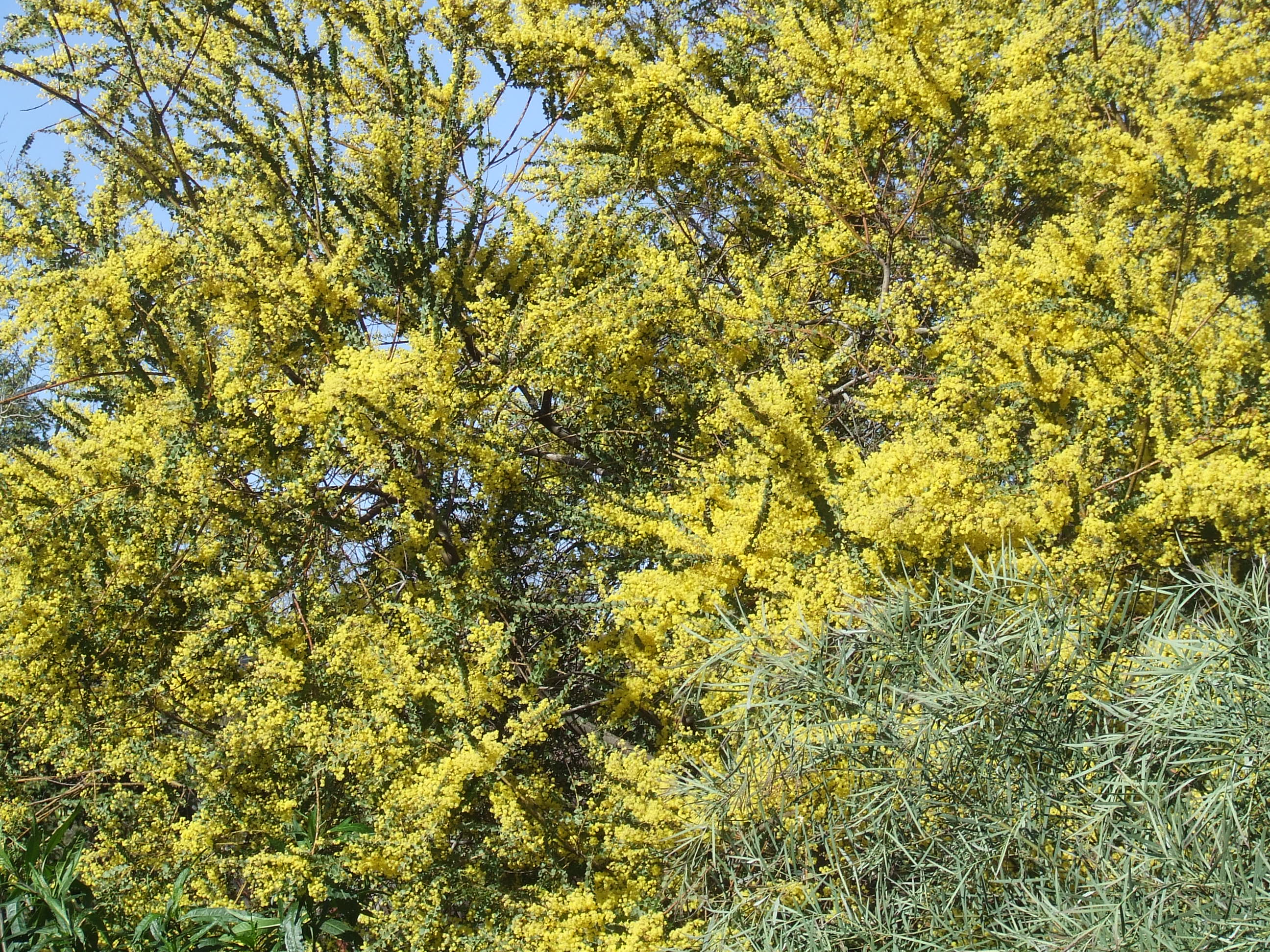
Muyan or Silver Wattle – Acacia dealbata:Wattle blossoms will coat the slow-moving Yarra at this time. Eels feed on a particular grub that lives in the wattle flowers. The wattle is also used to symbolise Elders, and is one of the plants used in tanderrum ceremonies. It is a plant where every part is used – blossoms, gum, seed, bark and wood. Gum was dissolved in water to make a mildly sweet drink and also mixed with ash for use as resin.
Burnalook or Blackwood – Acacia melanoxylon:Fibre was used for fishing lines. Leaves for dyeing material. Bark infusion for rheumatism. Bark also has tanning properties. The hardwood for clubs, spear throwers, boomerangs, and shields, and more recently, fine furniture
HARVESTING TOOLS
Shells: used for cutting, and cleaning skins
Bone awls: used to pierce hides for sewing from the sinews from a kangaroo tail.
Stone: Certain kinds collected and chipped to make a wide range of implements for cutting, weapons, cooking etc.
Flint: Exchanged by barter for tools to make microliths made by knapping.
Greenstone: Very high-quality axes traded from Mt William Quarry in Lancefield with permission from Ngurungaeta/Chief Billibellary.
Grinding stone: Used to sharpen axes at Yuro Yuroke -St Kilda esplanade
Wells: Supplying water at West Beach.
Coolamon: wooden bowls used for water, cradles, and carrying produce. Made from bark or gall/burl.
She-oak cones: Fishing
Baler shells: used for water
HARVESTING ANIMAL PROTEIN Common Long-necked Turtle Chelodina longicollis: Turtles were caught and eaten. Eggs were collected from the edges of rivers and wetlands during spring.
Brushtail Possums are common in Catani Gardens, St Kilda. Different species are Grey Brushtail possums and ringtail nesting in bushes or hollow trees such as the Red Flowering Gum – Corymbia ficifolia, and the River Red Gum – Eucalyptus camaldulensis. Possums, which sleep during the day were caught, killed, gutted, skinned and cooked in coals before being eaten. The skins were sewn together to make cloaks or rugs. Possum fur is used to make twine.
Fruit bats or grey-headed flying fox. Frequently found in Albert Park Reserve feeding from fig trees. An appreciated food source for Aborigines and some colonists. Usually roasted whole in coals, only the wings being removed first. Skin not eaten. The flesh has an excellent flavour resembling chicken.
Ducks, Swans, waterfowl: Are commonly found on Albert Park Lake where traditional owner campsites were recorded. Ducks were an important food source for Aboriginal people and colonists. They were caught in a variety of ways, often speared or brought down with boomerangs as they fed. Katherine Parker describes in detail the way ducks were caught by the Ualayai people of the Barwon River Wetlands in the 1890s:
“Ducks were trapped, too, by making bough breaks across the shallow part of the creek, with a net across the deep part.. A couple of the men would go upstream to hunt the ducks down, and some would stay on each side of the net armed with pieces of bark. The hunters upstream frightened the ducks off the water, and sent them flying downstream to the trap. Should they seem flying too high as if to pass, the men would throw pieces of bark high in the air, imitating, as they did so, the cry of hawks. Down the ducks would fly, turning back; some of the men would whistle like ducks, others would throw the bark again, giving the hawk’s cry, which would frighten the birds, making them double back into the net, where they were quickly despatched by those waiting.” Ducks can also be caught by stealth, which involves a swimmer grabbing the duck’s feet and pulling them under the water. Bogong Moths: fat and protein.
Short-finned eel – Anguilla australis: caught, using traps woven from mat rush. In fresh water, men would muddy shallow water and feel for eels with their feet. Hand nets used in salt water. Spears sometimes used. For pains in the joints fresh skins of eels were wrapped around the area, flesh side inwards. (The same cure was very common in Scotland for a sprained wrist.). Eels are nocturnal fish. Females grow to around 1m in length, weighing approx 3kg. The females prefer freshwater, the males live in the sea. When the eels reach sexual maturity (10-20 years for females, 8-12 years for males) they migrate distances of up to 3000km to the Coral Sea where they spawn. It is believed the females die after spawning. The females can release more than 2 million eggs which float in the currents down the east coast of Australia. The eggs hatch into glass eels which migrate down the coast and into the estuaries. The glass eels that migrate up the rivers into the lakes and swamps develop into females, the ones remaining around the estuaries develop into males. Short-finned eels migrate from late summer to autumn. If an eel’s water supply is drying up it may travel up to 1.5km over land to find another source.
HARVESTING EDIBLE WEEDS Nettle. Despite its “sting”, young plant parts are edible, as is much of the plant when blanched or otherwise prepared. Also makes a nutritious tisane. One of the most-used plants in herbal medicine, with a long list of benefits. Also once grown as a crop for its fiber. Its juice was once used in the place of rennet in cheese-making. It was also a source of “green” for dye. It can still be used as a high-protein additive in animal feed, once dried.
Burdock. The root is used to stimulate detoxification of the lymph and liver, known as a “blood purifier.” It also has diuretic and diaphoretic properties.
Dandelion. The leaves are a tonic to the kidneys, being one of the few diuretics that does not deplete the body of potassium. The whole plant, especially the root, is a detoxifying tonic for the liver. The whole plant is bitter and can be used as a digestive stimulant.
Shepard’s Purse. Used to stop bleeding.
Chickweed. One of the most nutrient dense plants, full of antioxidants. Great for skin conditions when infused into oil. Dissolves cysts and lumps.
Native Plantain, Ribwort, Pig’s ear. Excellent wound healing herb. “Not only does plantain increase the speed of healing, it also relieves pain, stops bleeding, draws out foreign matter, stops itching, prevents and stops allergic reactions from bee stings, kills bacteria, and reduces swelling.” Mucilaginous. The seed husks are the main ingredient in psyllium laxatives. Identify this common weed by the 5 parallel veins on the underside of the leaf.
Mallow. Whole plant is mucilaginous, extracted in cold water or vinegar, which is soothing internally (easing sore throats, upset tummies, heart burn, irritable bowel, colic, and constipation) and externally (relieving bug bites, burns, sprains, and sore eyes).
Nasturtium. Considered one of the “magic bullet” companion plants, benefiting almost any crops around it in some way, and not known to hurt any All parts of this plant are edible, flowers and leaves make brilliant salad decoration
Ground Ivy Used in the traditional medicine of Europe going back thousands of years. Inflammation of the eyes, tinnitus, a diuretic, astringent, tonic and gentle stimulant.
FURTHER INFORMATION This walking tour is dedicated to St Kilda ethnobotanist Beth Gott and Gunditjamara elder Banjo Clark who collaborated on the brilliant publication ‘Koori Plants Koorie People’. Our information is sourced from 30 years of personal foraging. We also use research from sources such as Monash University and Melbourne University who have collaborated with Indigenous cultural walks. Our own books include ‘Melbourne Dreaming. A Guide to the Aboriginal Places of Melbourne’ and ‘Yalukit Willam, The River People of Port Phillip’.
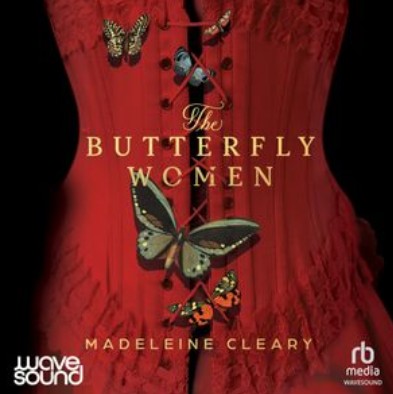
OUR tour explores the historic locations where the novel ‘The Butterfly Women‘ is set, such as Papillon, Magdalene La, Casselden La, Gorman Al, Romeo La, Juliette Tce, Bilking Square, White Hart, Dr Howitt’s, Eastern Market, Melbourne Hospital, Black Eagle, Stephen Street, Theatre Royal, Royal La, Lt Leichhardt, Police Courts, Surry Pl and others. We also explore the historical women on whom the characters are based and the extraordinary social background of Little Lon and the surrounding precincts.
SET in 1863, The Butterfly Women by Madeleine Cleary is a richly researched historical thriller blending romance and mystery to uncover hidden sides of gold-rush Melbourne. Beneath the city’s spectacular rise is Little Lon, a notorious red-light district, infamous for Papillon, the glamorous bordello. For Irish immigrant Johanna Callaghan, working there offers a rare chance at affluence but comes with serious risk. Meanwhile, journalist Harriett Gardiner is drawn from respectable society into Little Lon when a serial killer stalks its streets. As the characters intersect in the search for the murderer of vulnerable women, the untold stories of Melbourne’s women come to life.
WE include mention of other books written about the Little Lon precinct, including Madam Brussels by Barbara Minchinton, The Women of Little Lon by Barbara Minchinton, Little Lon by Andrew Kelly (illustrated children’s), Madam Brussells. This Moral Pandemon by I. Robinson and the Mystery of the Hansom Cab by Fergus Hulme. Melbourne Walks also leads Madam Brussells Tours.
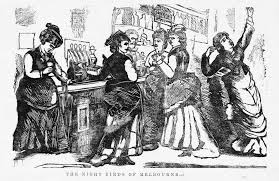
‘PAPILLON’ in Madeleine Cleary’s novel is the re-imagining of Madame Brussell’s famous and magnificent bordello on Lonsdale Street, backed onto Gorman Lane. Her ‘flash houses’ opposite Parliament defied the bigotry of powerful men who vilified her as the ‘Queen of Evil and Harlotry’ and triggered the criminalisation of sex workers for over a century, until reversed by the Victorian parliament in 2022. This was a roller coaster era: gold rush, marvellous Melbourne, land boomers, the 1890s crash, and prohibition. Our tour is a fascinating insight into the values, morals and lifestyles of 19th century Melbournians and the architectectural transformation of a city which had abandoned its poor into a modern city with a social welfare safety net and striking contemporary architecture.
“I just wanted to say thank you for the great tour you gave last night, everyone had a wonderful time and for our line of work, all that history of welfare and everything else about this little corner of Melbourne was absolutely fascinating.’ Parliamentary staff outing. Thank you again for taking us on the tour of Madam Brussell’s Melbourne. We all found out some fascinating information about our own ‘home’ city, which we didn’t know. So much history!” Royal Melbourne Hospital staff outing. “I want to thank you for your time and insight today, giving us that fantastic historical walk. We thoroughly enjoyed the experience.Emily and friends.
SCHOOLS AND ADULT GROUPS WELCOME
VISIT a wide variety of public artworks and art locations including painting, engraving, murals, mosaics, street art, sculpture and design. How do artists realise their ideas through different visual expressions, periods and cultures? HOW have Melbourne arts movements e.g. Impressionism, Contemporary, Sculpture, Street Art, Visual Design, Mosaic and Architecture changed Melbourne’s public spaces? What role do artists play in shaping awareness about our culture and social issues? LEARN about artists’ works such as those of Matt Adnate, John Brack, Mirka Mora, Frederick McCubbin, Clifton Pugh, Nonda Katsilides, Joan Sutherland, Simon Perry, Jules Lefebvre, Clarice Beckett, John Burtt, Daniel Jenkins, Pamela Irving, William Barak, Tom Roberts, Napier Waller, Vali Myers, Sydney Nolan, Susan Hewitt, Penelope Lee, Invader, Joan Sutherland, Pablo Picasso and others. SCHOOL STUDENTS are each assigned the identity of a significant artist for the duration of the tour. See: Melbourne Artists Identities
TOURS are usually two hours for student groups, 2.5 hours for adult groups. Tours commence from Federation Square. Dates are by arrangement at a time of choice.
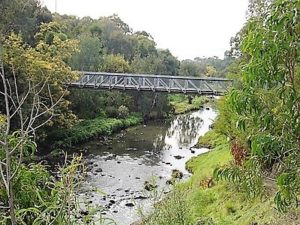
This tour explores the extraordinary landscapes of Merri Creek, Dights Falls Park and the Birrarung or Yarra River. It explores important Indigenous, settler, natural and contemporary history including Dights Flour Mill, the Overlanders’ crossing, Yarra Bend parklands, recreation, waterways, Institutions and wildlife habitat. The archaeology of the Dights Mill site indicates the different ways that settlers and Indigenous people used the landscape.
This area’s history also includes 1840s Indigenous, trading and camping, Yarra Aboriginal School, Native Police Corps and the Aboriginal Protectorate. Students or adults can explore locations by foot (or bicycle) with a historian. The tour explores relationships with the environment by settlers, contemporary uses, use by Indigenous people before and after settlement, the impact of the settlement on the traditional owners, impacts on water, geology, fauna and flora.
Tours (2-2.4) hours usually start from Dights Falls Park. Alternative starting points include the Merri Creek in Collingwood, Fitzroy, Clifton Hill, or other locations.
“For the past 3 years, Catholic College Bendigo Outdoor and Environmental Studies students have met at the Merri Creek Junction for a tour of Merri Creek and Yarra River on bikes. It’s the most informative tour they do throughout the year!! During the tour the students are glued to the guide’s stories as he discusses relationships … with the landscape. The knowledge that students get from this tour prepares them so well for SAC’s and the end of year exam.. (Outdoor and Environmental Studies). Catholic College Bendigo.